This is our list of the places worth the trip in Northeast India. It goes state by state, starting with the four states we know best and plan trips in every week.
For each place there is a line on why it matters, and a link to our page with the detail. At the end there is a short note on the other four states, and on permits.
Assam
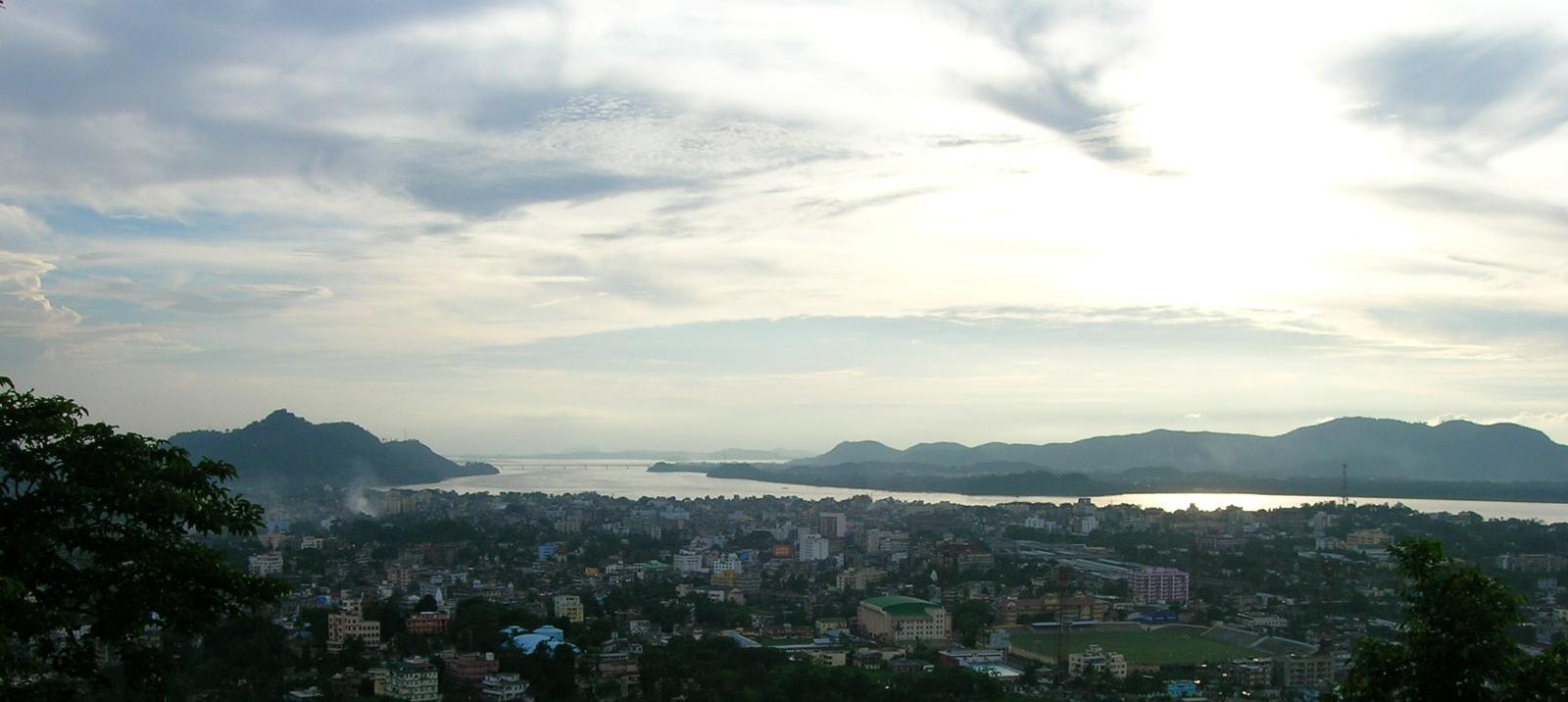
Assam is where most trips begin, because Guwahati has the region's main airport and railway station. No permit is needed.
Kamakhya Temple, on Nilachal Hill above Guwahati, is one of India's most sacred Shakti Peethas.
The Guwahati temple circuit takes in the older, quieter shrines: Umananda on its river island, Ugratara and Basistha.
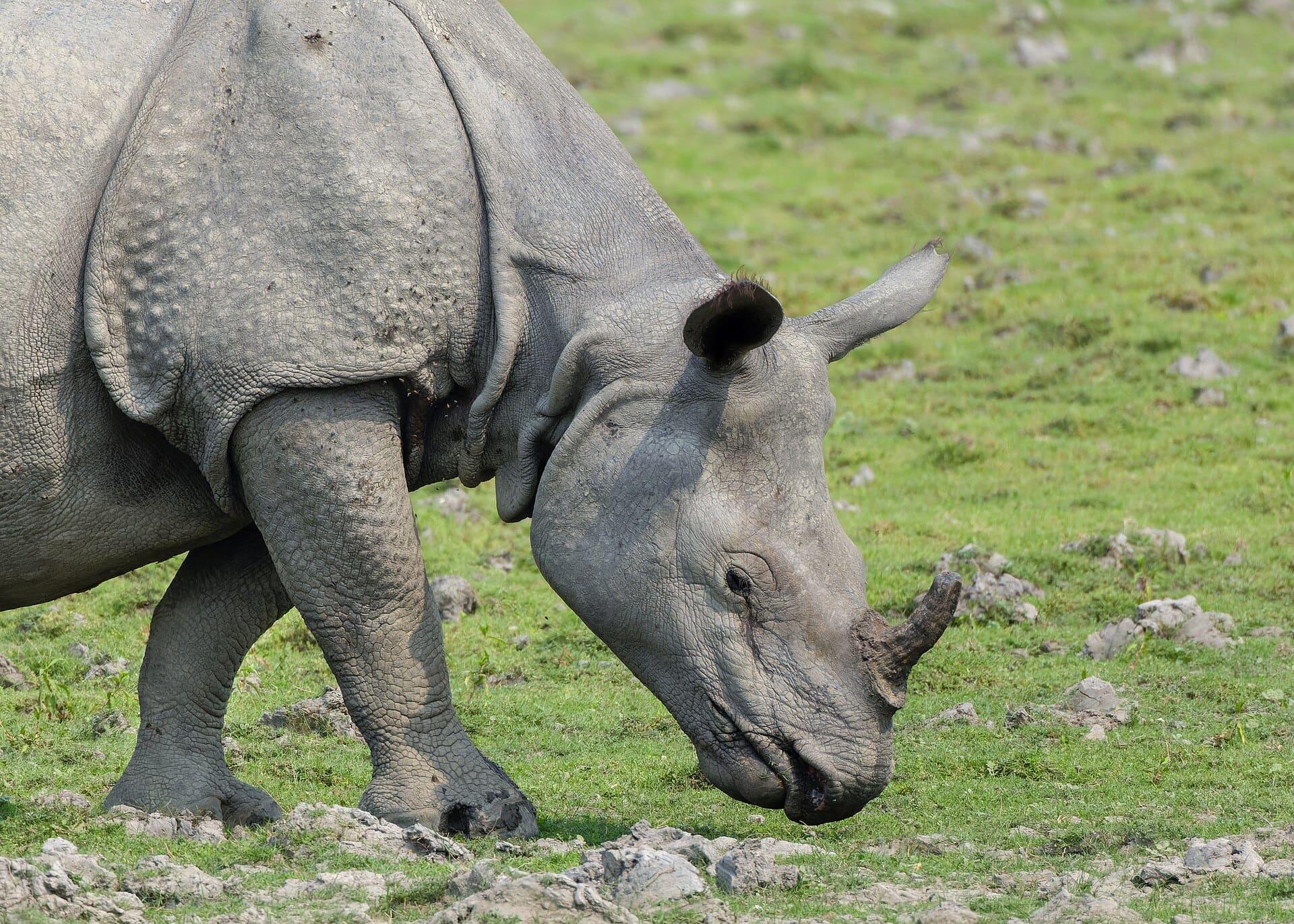
Kaziranga is home to about two-thirds of the world's one-horned rhinos. It closes for the monsoon. November to April is the best time to go.
Pobitora, much closer to Guwahati, has the densest one-horned rhino population anywhere. A morning there works as a day trip.
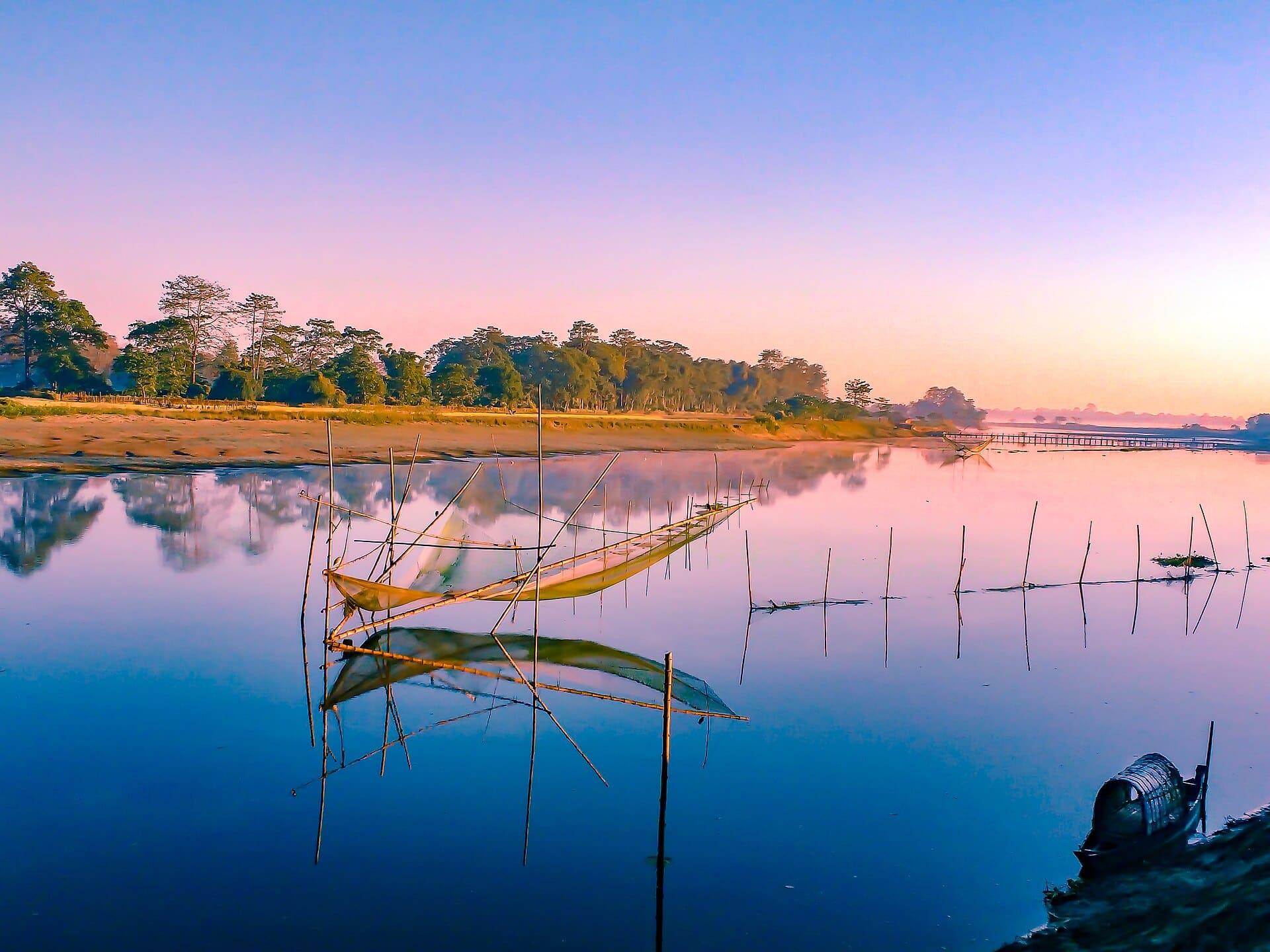
Majuli, the great river island on the Brahmaputra, is known for its Vaishnavite satras, mask-makers and pottery villages.
Chandubi is a lake formed by the 1897 earthquake, about an hour and a half from Guwahati, with Rabha fishing villages around it.
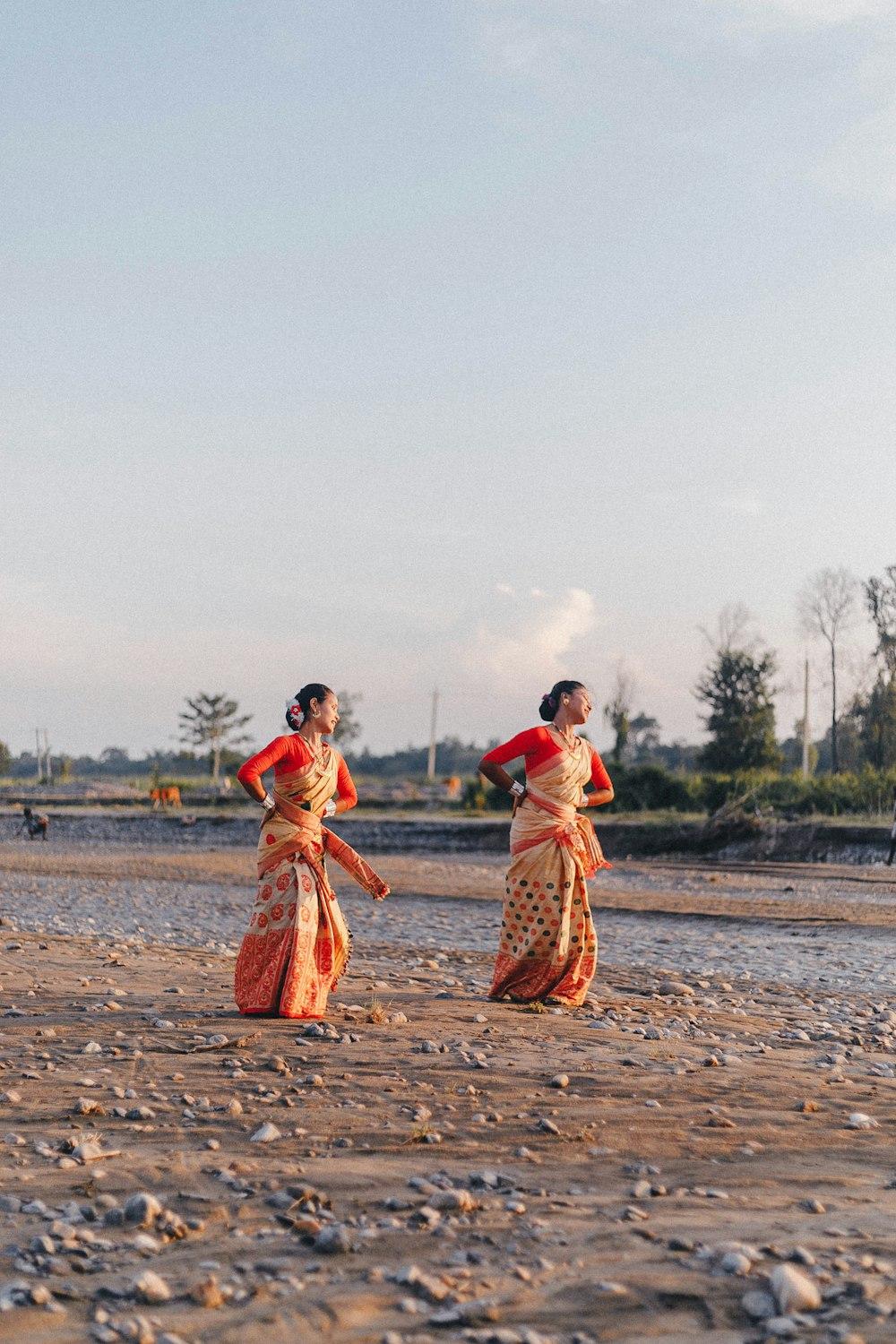
Sualkuchi is a whole town of weavers working Assam's muga, pat and eri silk.
Nameri offers a gentle raft down the Jia Bhoroli and some of the best birding in Assam.
And Amchong, half an hour from the city, is a working tea estate you can walk into.
For something slower, there is a Brahmaputra cruise, days on the river with villages and satras along the way. Or a tea garden bungalow, a planter's house inside a working estate.
Assam also has three UNESCO World Heritage Sites, the only three in the North East. Kaziranga is one. Manas, on the Bhutan border, is another, home to the golden langur and the pygmy hog. The third is the Moidams of Charaideo, the burial mounds of the Ahom kings, about 30 km from Sivasagar.
Closer to Guwahati, our list of day trips covers more. There is Deepor Beel for birds, and the temples of Hajo. There are the old stone ruins of Madan Kamdev, and a ferry to North Guwahati.
Meghalaya
Meghalaya is the hill state next door, with no permit needed. Shillong is about three hours from Guwahati, and Sohra about two hours further.
Shillong is the capital, a hill town of pine, church spires and a live-music scene far bigger than its size.
Sohra (Cherrapunji) is waterfall country: Nohkalikai, the Seven Sisters falls and the limestone caves.
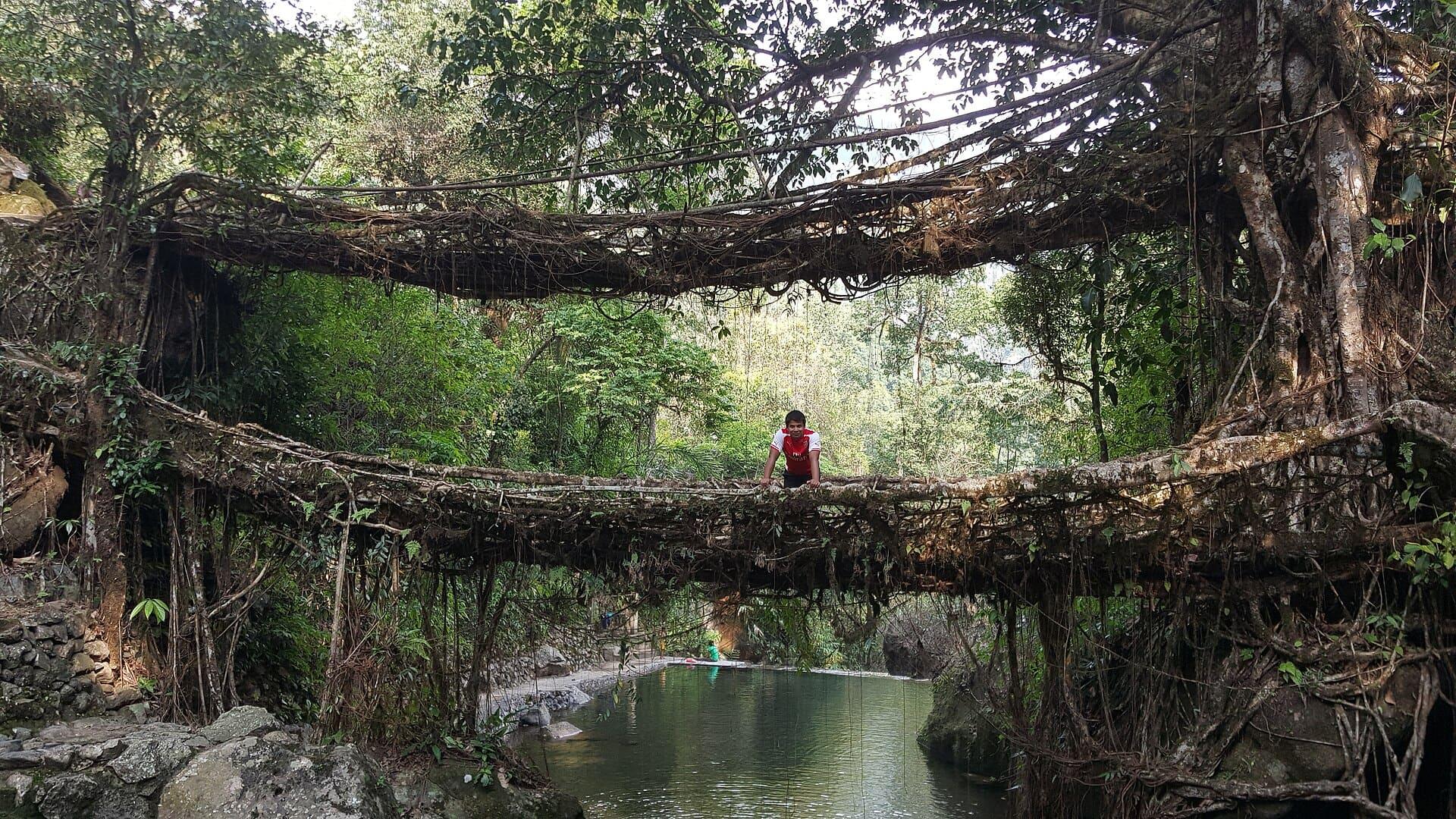
The double-decker root bridge at Nongriat is grown, not built, from the roots of rubber fig trees. It is a hard walk down thousands of steps.
Mawsynram is the village that out-rains Cherrapunji.
Laitlum, an hour from Shillong, is where the grassland simply stops and drops into a gorge.
Mawphlang is a sacred forest the Khasi have protected for centuries.
Mawlynnong is the spotless village near the Bangladesh border. It is closed to day visitors on Sundays.
The David Scott Trail follows 16 km of old bridle path across the Khasi hills. It is the best day walk in the region.
Under the plateau are the caves of Meghalaya, limestone and sandstone caverns. Mawsmai is the easy one; Arwah is quieter.
In the Jaintia Hills, Phe Phe Falls is a short, steep walk to a fall over a bottle-green pool. At Wahkhen, the Bamboo Trail is a walkway of lashed bamboo pinned to a cliff, built by one village. It is not for anyone uneasy with heights.
Dawki, close by, is where you take a boat on the Umngot river. Go between November and April, when the water is clear. And far to the west, Wari Chora is a canyon of green water reached by boat.
Arunachal Pradesh
Arunachal is the big mountain state. Indian visitors need an Inner Line Permit, and foreign nationals a Protected Area Permit.
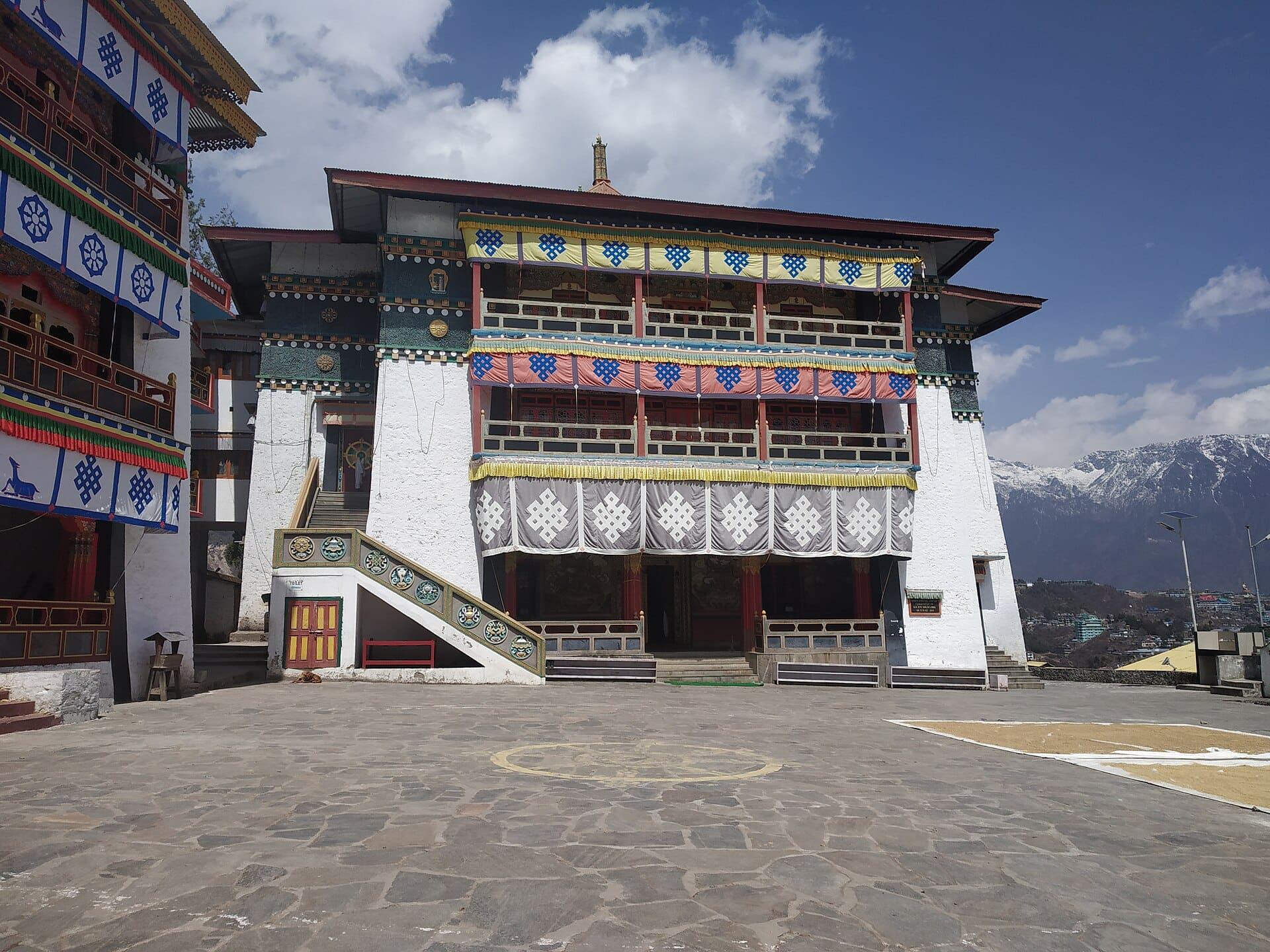
Tawang, at about 10,000 feet, has the largest monastery in India. The road in crosses Sela, at about 13,700 feet.
Bum La sits on the India-China border at about 15,200 feet. You go up in local union vehicles, with a permit arranged in Tawang.
Dirang, Sangti and Shergaon are the orchard valleys and farm stays on the road to Tawang. Most visitors drive straight past them.
Zemithang is the last valley before the border, and must be named on your permit.
Ziro is a wide green bowl of paddy fields farmed by the Apatani people.
Mechuka is a river valley near the Tibet border, reached by 4x4 from Aalo.
Namdapha is the forest with four big cats: tiger, leopard, clouded leopard and snow leopard.
Shergaon is an apple and orchard village of the Sherdukpen people, reached by a quieter back road through Bhairabkunda.
In the east, Pasighat has big white water on the Siang. Roing and Mayodia are reached from Dibrugarh, and Anini is one of the emptiest roads in India.
Nagaland
Nagaland needs an Inner Line Permit for Indian visitors. We do not run trips there yet, but these are the places people ask us about.
The Hornbill Festival runs from 1 to 10 December at Kisama, near Kohima, where the major Naga tribes come together in one place.
Dzukou Valley is Nagaland's valley in the clouds, reached on a trek. A guide is mandatory.
Pangti is the village that now guards the Amur falcon. Vast flocks of these small falcons roost over the Doyang reservoir on their migration.
Mizoram, Tripura, Manipur and Sikkim
We do not plan trips in these four states yet, so this list stays short.
Mizoram has roadside shops with no shopkeeper, where you pay into an open box. We wrote about them in the shops with no shopkeeper.
Tripura has Unakoti, a hillside of giant rock carvings on UNESCO's tentative list since 2022. It is in our guide to heritage sites of the North East.
Manipur needs a permit, and its permit rules are in the courts. Check the current position close to travel.
Sikkim lies to the west, next to Darjeeling, and some of its protected areas need permits of their own.
Permits in one paragraph
Assam and Meghalaya need no permit at all. Arunachal, Nagaland, Mizoram and Manipur need an Inner Line Permit for Indian visitors, and a Protected Area Permit for foreign nationals. Our permits guide has the detail, and on our trips we arrange the permit for you.
How to fit the places together
Most first trips combine Assam and Meghalaya: Guwahati and Kamakhya, Shillong and Sohra, and Kaziranga if there is time. Five to seven days is enough.
Arunachal needs its own trip. The Tawang road alone takes a week, because of the long mountain drives and the altitude.
Choose by what you enjoy. For wildlife, build the trip around Kaziranga, with Pobitora or Manas. For walking, give Meghalaya most of your days. For faith, start at Kamakhya and add Majuli's satras. For high mountains and monasteries, go to Tawang in spring or autumn.
For day-by-day plans, see our Meghalaya itinerary, our Assam itinerary and Meghalaya with Kaziranga in 7 days.
For timing, read the best time to visit North East India. And for the whole region in one place, start with our Northeast India travel guide.