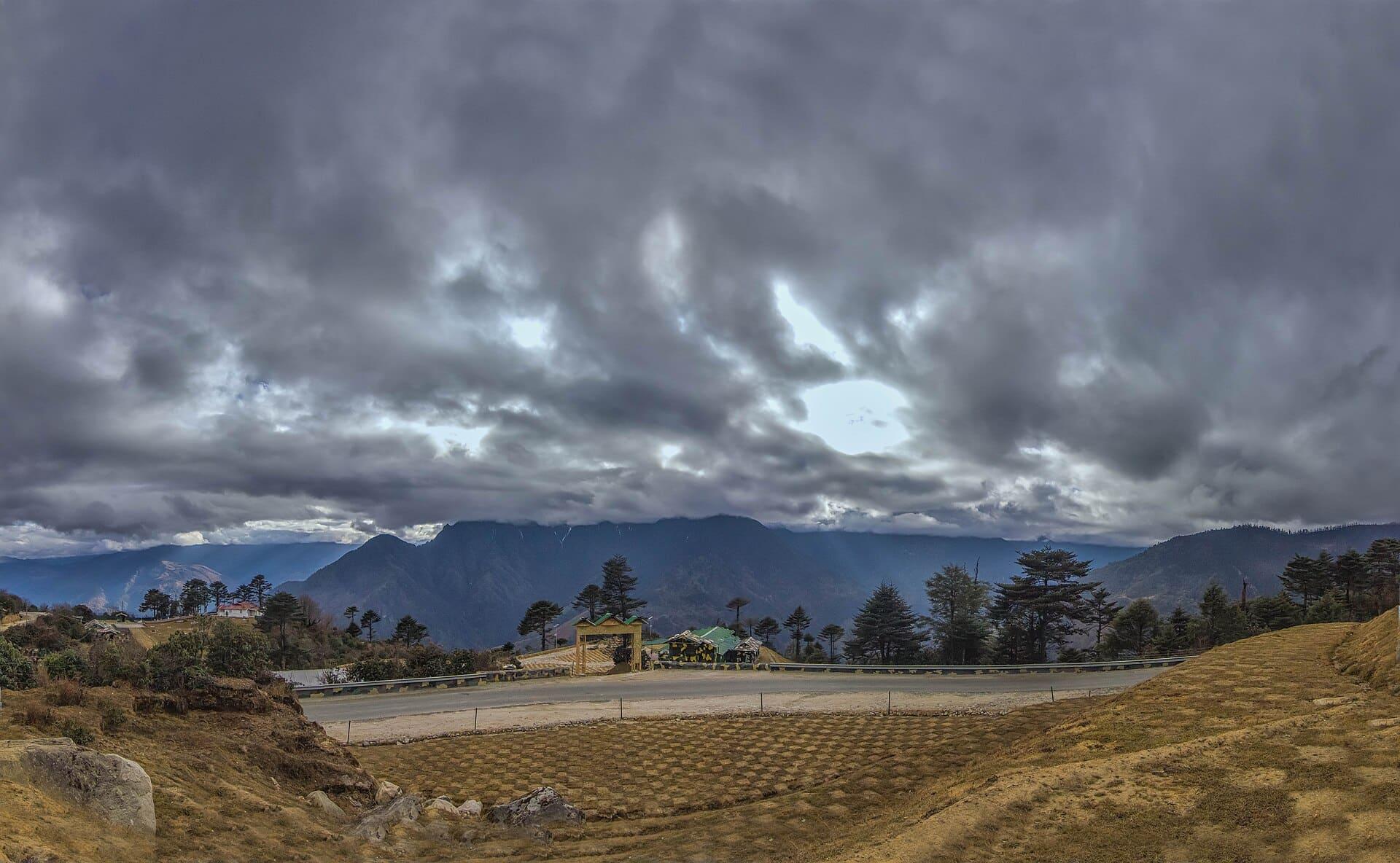
There is no easy way to Tawang. There is a road, and the road is the experience, and anyone who tells you they did it comfortably in one day is either lying or was asleep. Budget two days going up. Budget two coming back. What sits at the end of it is a monastery at ten thousand feet that has been there since the seventeenth century, but if I am honest the monastery is not the reason I keep going back. The road is.
Day one: the checkpost at Bhalukpong
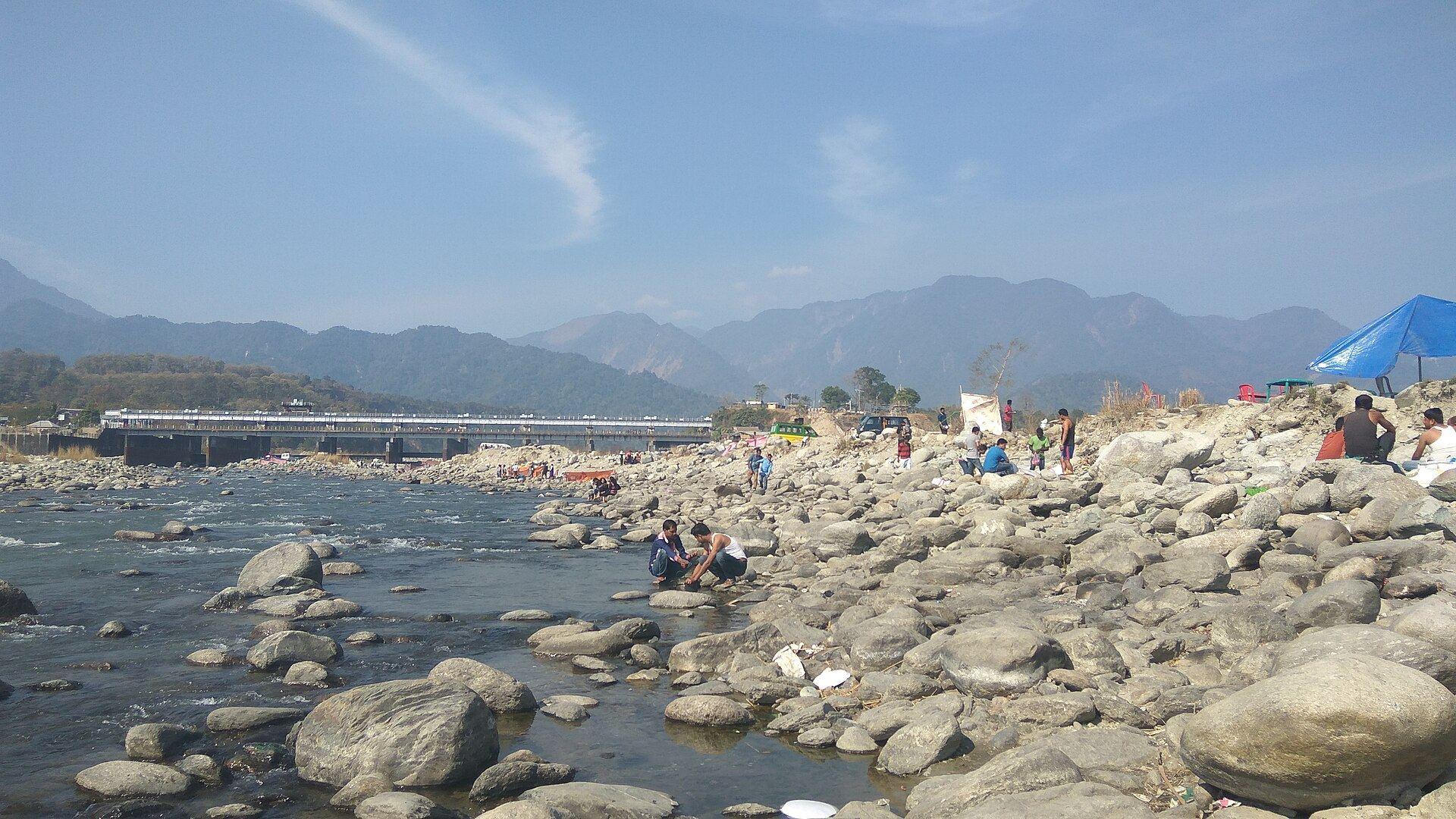
You leave Guwahati and drive northeast through tea country and rubber, and after about four hours the plains end at Bhalukpong, where Assam becomes Arunachal Pradesh. There is a barrier, a small office, and a man who will want to see your Inner Line Permit.
This is where trips die. Every Indian visitor needs an ILP for Arunachal; foreign nationals need a Protected Area Permit. The rules move, the online portal is unhelpful on its good days, and the name on the permit needs to match the name on the ID, which sounds obvious until you are the one being turned around at four in the afternoon with nowhere to sleep. Get this handled by somebody who does it weekly. I say that as somebody who does it weekly.
Past the barrier the road immediately begins to climb, and it does not stop for two days.
Dirang, and why you should stop there
You could push on. Do not. Dirang sits in a wide river valley at about 1,500 metres, warm enough to be pleasant and high enough to start acclimatising, and it is the sensible place to break the drive.
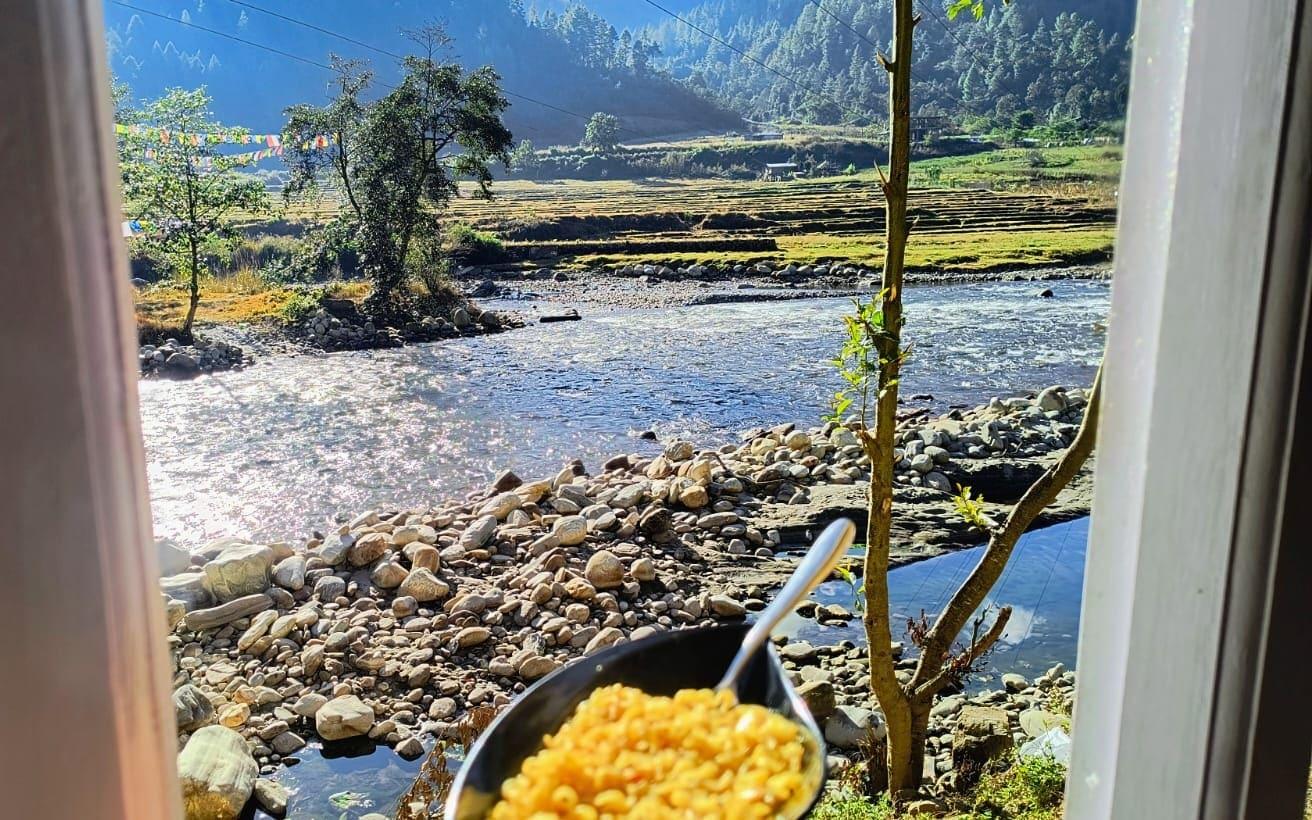
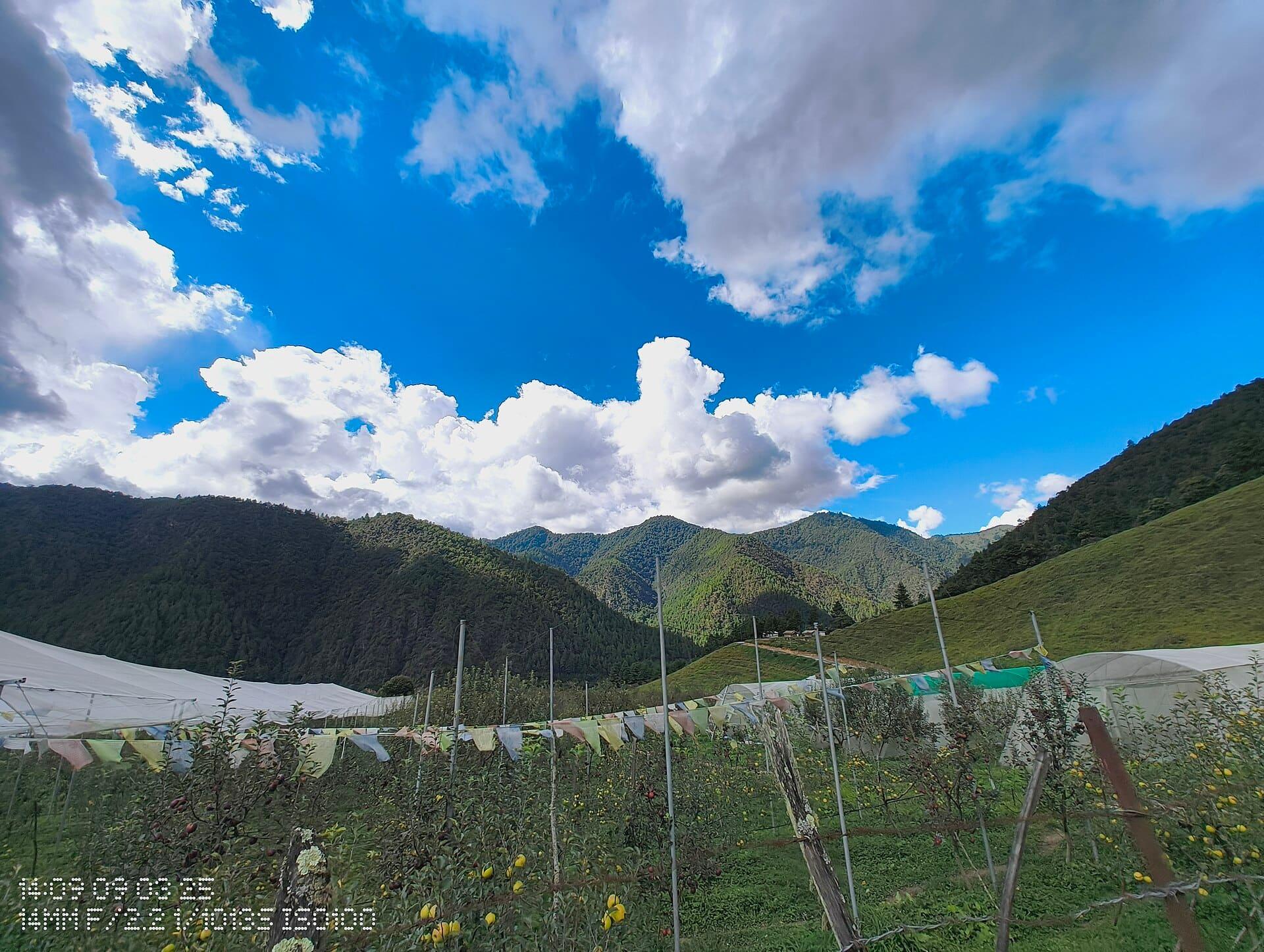
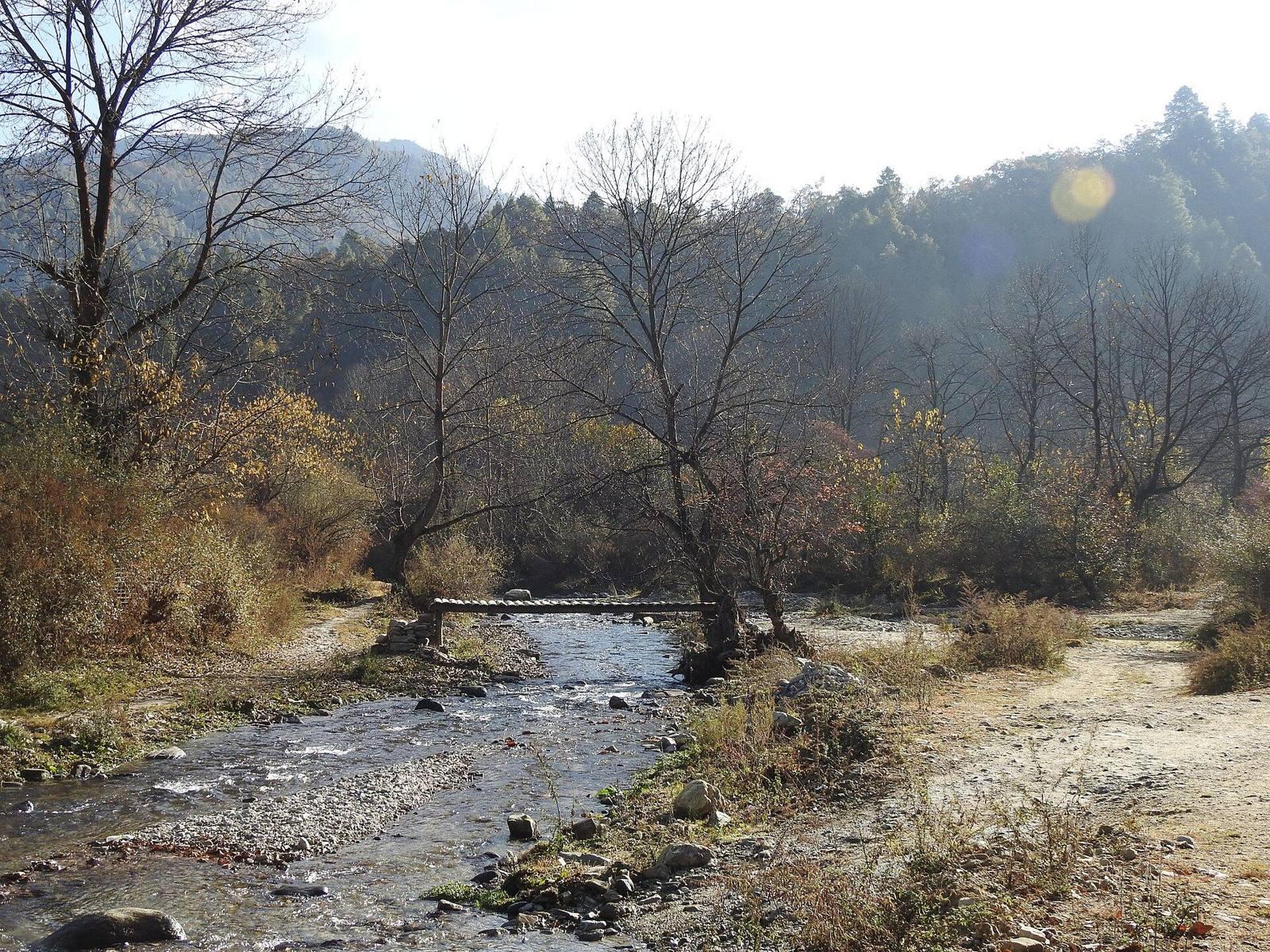
There is an old Dirang Dzong - a stone-walled village stacked above the river, still lived in - and hot springs, and apple orchards. Just outside is Sangti Valley, which in winter receives black-necked cranes, and which even without them is one of the most quietly beautiful valleys in the country: flat green floor, a braided river, and mountains on all four sides. Almost nobody stops here. That is precisely the argument for stopping here.
Day two: Sela
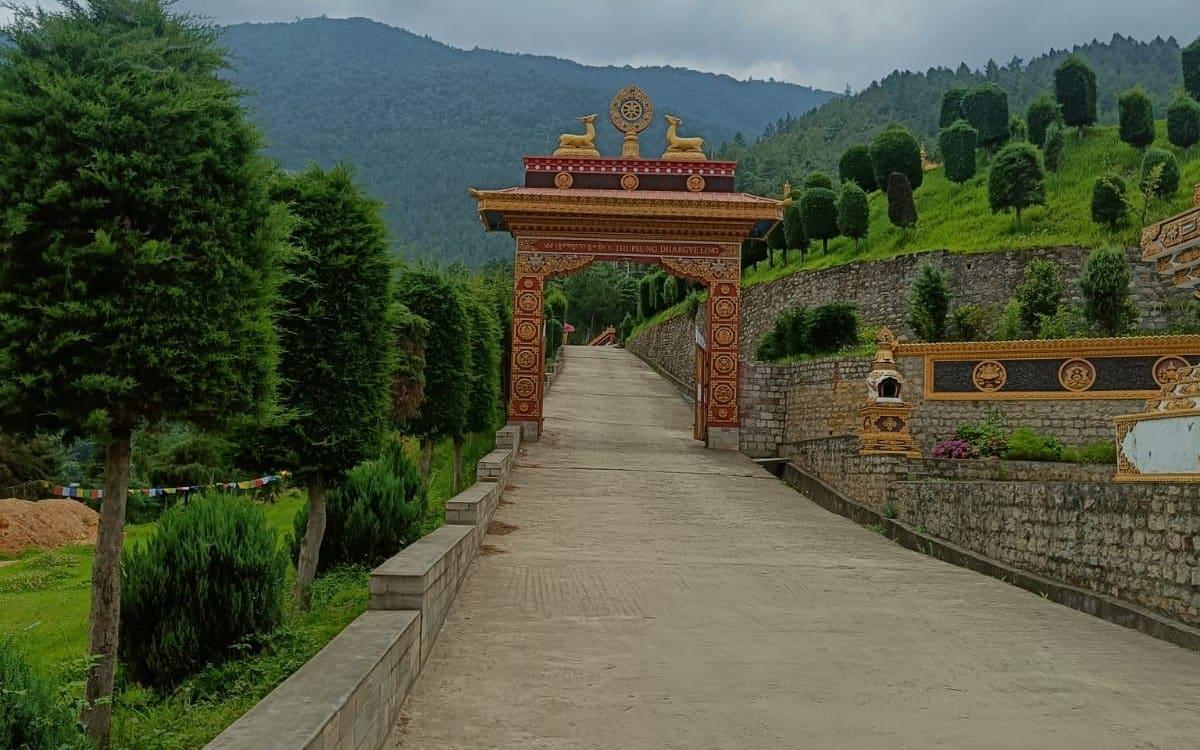
You leave Dirang early because you want to cross the pass before the weather makes its decision. Tsering, who drives this stretch through winter and does not think it is remarkable, checks the sky once at the door and says nothing, which is how you know it is fine. The road climbs through pine, then through rhododendron, then through nothing at all. The trees give up somewhere around 3,500 metres and after that it is rock, snowmelt and sky.
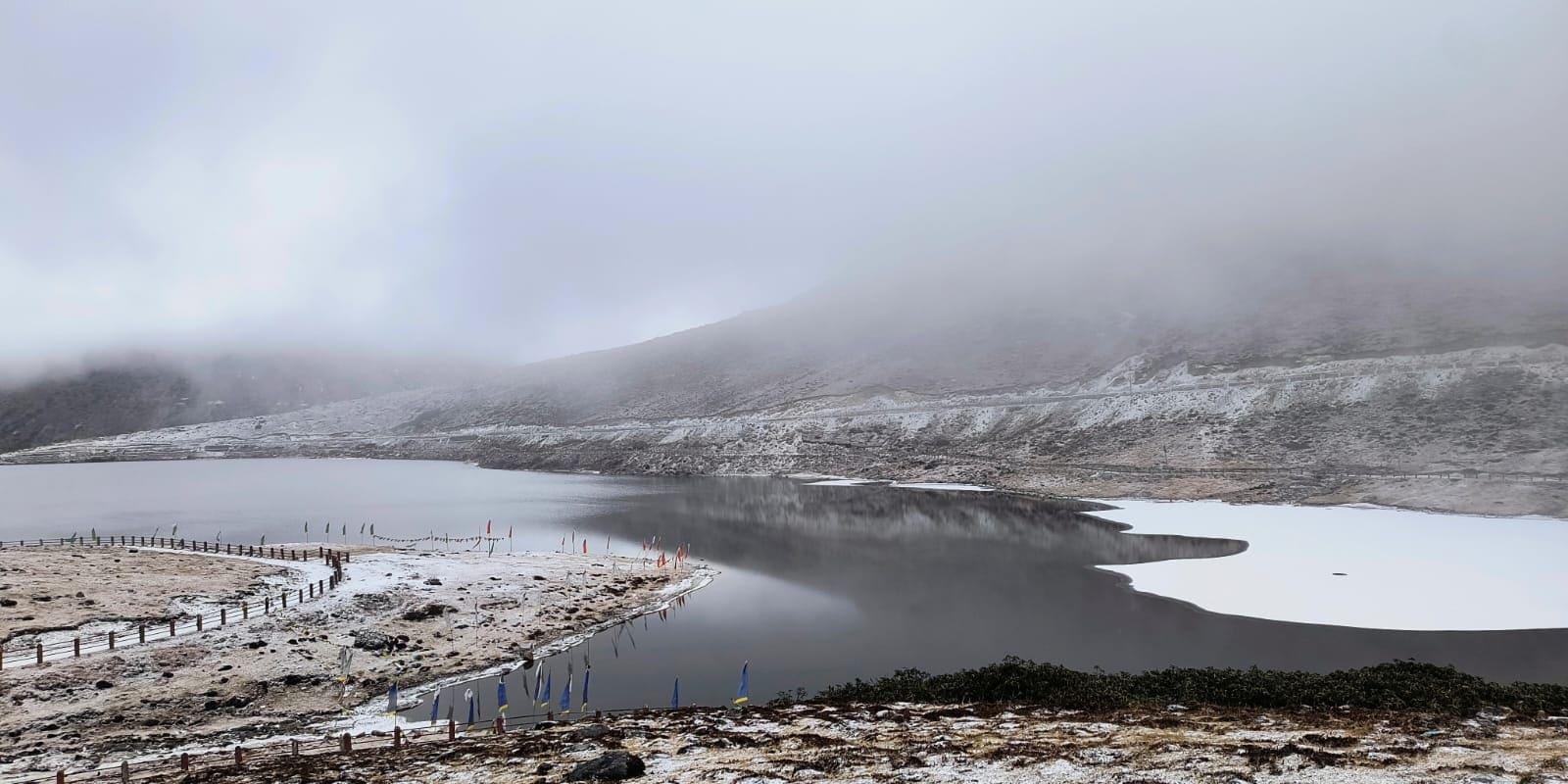
Sela Pass is at roughly 13,700 feet. There is a lake at the top that stays frozen for a good part of the year, an arch, and prayer flags going flat sideways in a wind that will take your breath and your hat. Get out anyway. Stand in it for two minutes. The air is thin enough that walking twenty metres uphill will make you stop and think about your life choices, and the light up there is a hard, clean, high-altitude light that makes everything look slightly unreal.
There is a war memorial on the far side at Jaswantgarh, for a soldier who held a position here in 1962. Tsering stops here every single trip. Tea is served. It is always the best tea of the trip.
Coming down into Tawang
After Sela the road drops and drops, past Jang and its waterfall, and then lifts one final time, and Tawang town appears spread across a hillside with the monastery above it - a walled complex of white and ochre buildings that looks less like a building and more like a small fortified town, which is exactly what it is.
It is the largest monastery in India and the second largest in the world, founded in the 1680s, and several hundred monks still live in it. Go for the morning prayers if you can. You will sit at the back of a hall that smells of butter lamps and old wood while low chanting and the occasional deep horn fill it, and the fact that you drove two days and crossed a 13,700-foot pass to get there will feel roughly proportionate.
What nobody tells you
Take the altitude seriously. Tawang sits around 3,000 metres and Bumla, if you go, is over 4,600. Drink far more water than feels reasonable, do not drink alcohol the first night, and tell your driver immediately if your head starts to pound.
Take cash. ATMs exist and ATMs are frequently empty. Take a warm jacket even in June - the mountains do not care what month it is at the top of a pass. And take two extra days more than you think you need, because this is a road that closes, and the difference between an adventure and a disaster is usually just slack in the schedule.