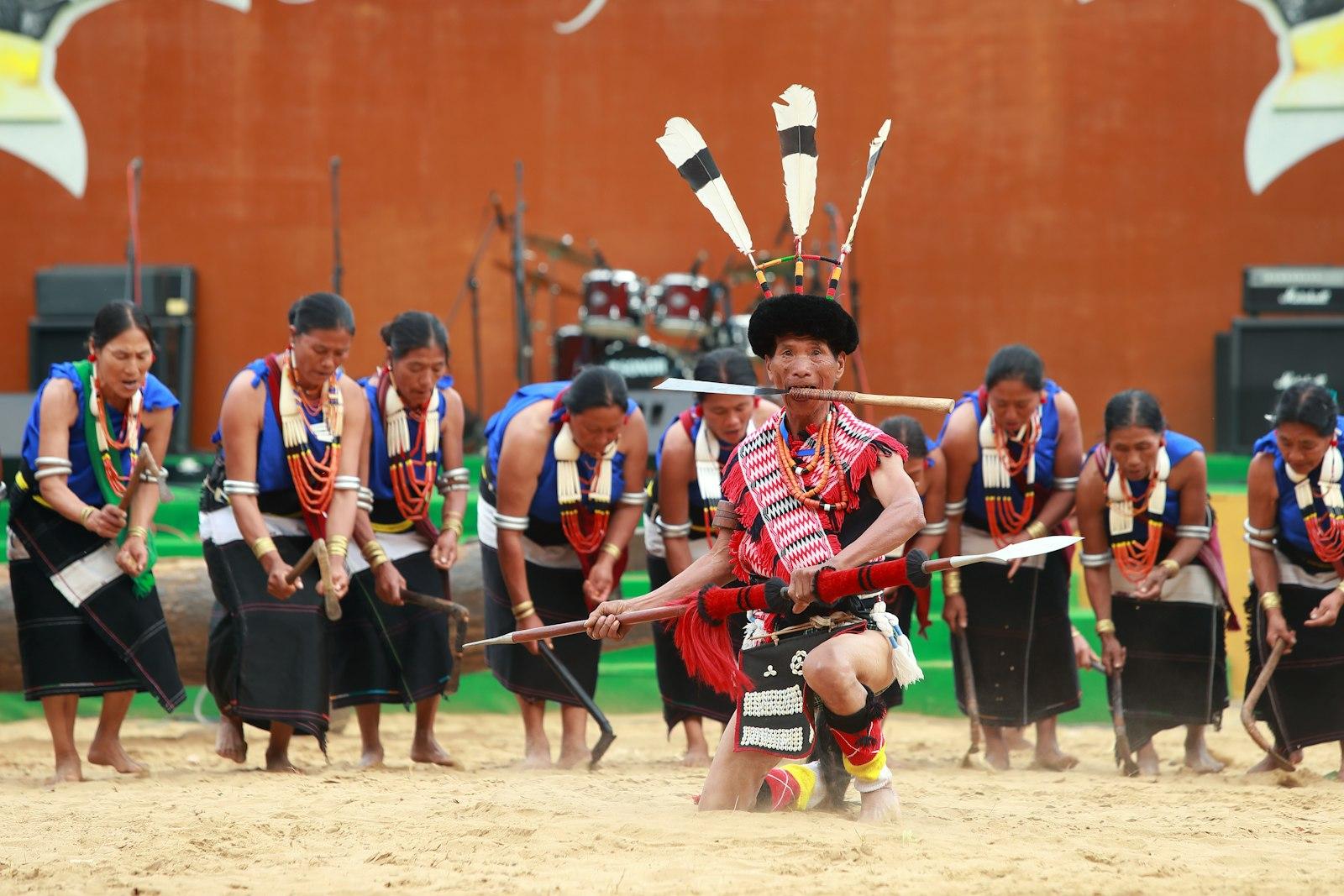
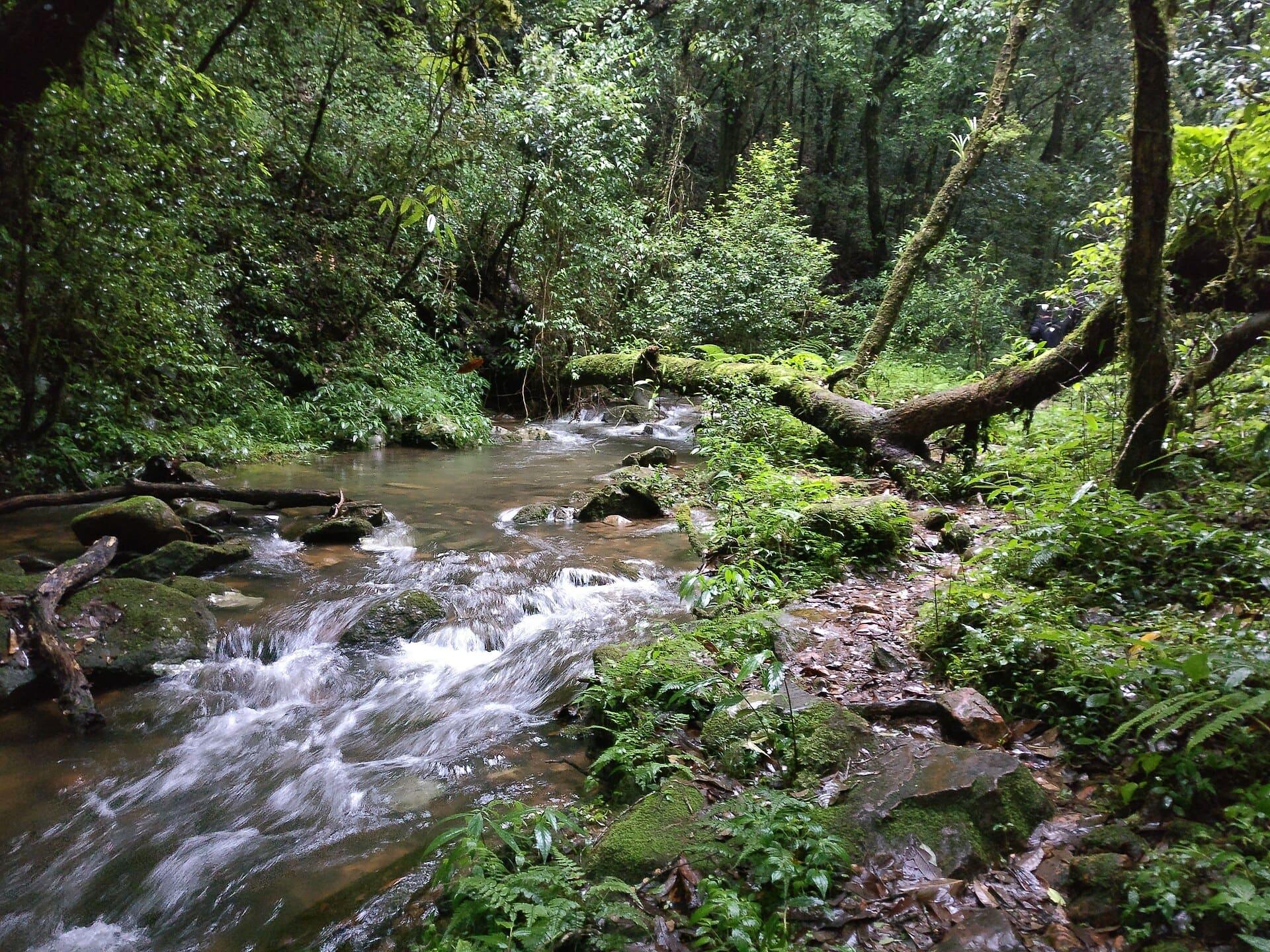
Assam has three UNESCO World Heritage Sites: Kaziranga National Park, Manas Wildlife Sanctuary and the Moidams of Charaideo. They are the only three in the North East.
For thirty-nine years all of them were about animals and none about people - until July 2024, when a field of grassed-over burial mounds in upper Assam changed that.
Below the inscribed three sits a longer, more interesting list: places on UNESCO's tentative list, waiting years or decades for a decision, and places on no list at all that are as old and as loaded with story as anything that has a plaque. What follows is ten of them, with the history that got them there - and, because it is the half that guidebooks leave out, the folklore that the people living beside them still tell.
Two things are worth saying before we start. The legends here are recorded ones, not our embroidery, and most of them exist in several versions that contradict each other - we have said so where that happens. And a story being a story does not make it decorative: at Mawphlang the folklore is the reason the forest is still standing.
The three that are actually inscribed
A World Heritage Site is not a rating of how nice a place is. It is a legal undertaking by the country to look after something judged to matter to everyone. India has forty-three of them. Three are here.
1. The Moidams of Charaideo, Assam - UNESCO 2024
The newest of the three and the most significant for this region, because it is the first time anywhere in the North East that UNESCO listed something people built rather than something that grew.
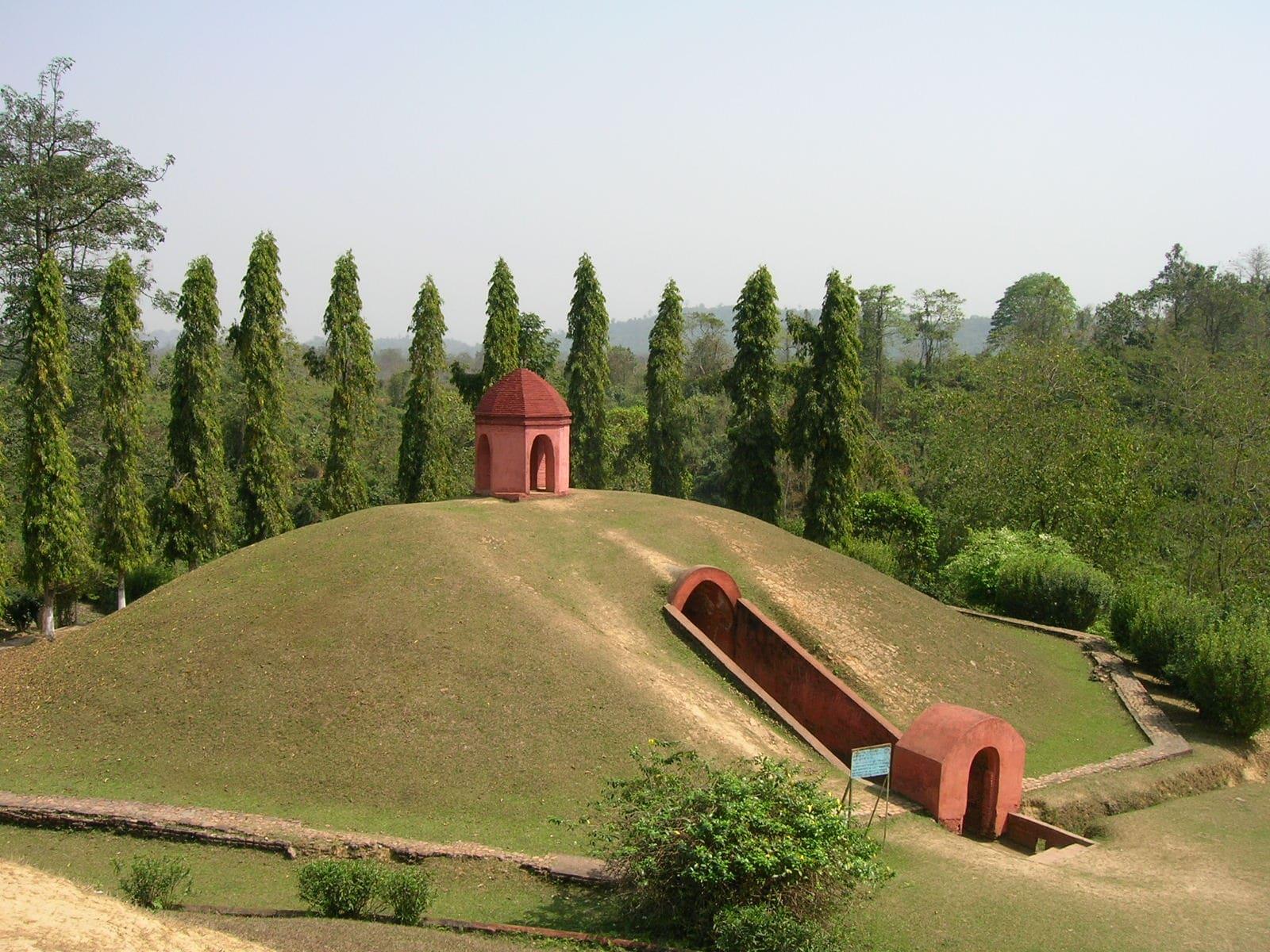
The history: Charaideo was founded in 1253 by Sukaphaa, the first Ahom king, as the capital of a dynasty that would rule Assam for close to six hundred years. The capital moved repeatedly afterwards; Charaideo never stopped being the symbolic centre. Under its low green hillocks lie the vaulted brick chambers where Ahom kings, queens and nobles were buried, sometimes with their possessions, and the mounds heaped over them are the moidams.
They get called the pyramids of Assam, which is a useful shorthand and a slightly wrong one. A pyramid is a tomb. A moidam is a residence - the word carries the sense of a home for the spirit, and the structure is built on the idea that earth and heaven are continuous rather than separated by death. That is why there are chambers rather than simply graves.
The name itself is the folklore, in a sense. Charaideo comes from three Tai-Ahom words - che, a town; rai, to shine; doi, a hill. The shining city on the hill.
2. Kaziranga National Park, Assam - UNESCO 1985
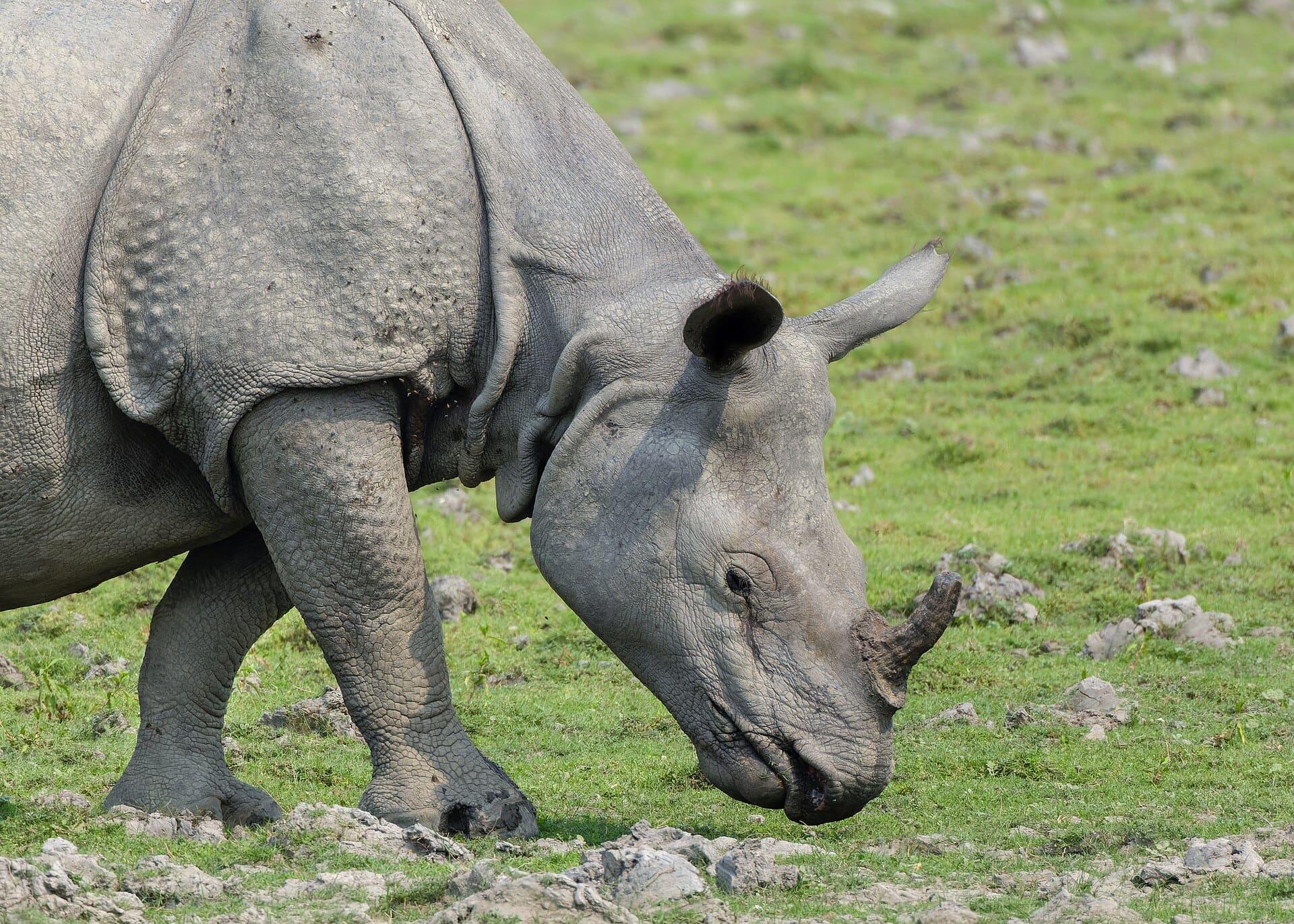
Everyone knows the rhinos. Fewer know that Kaziranga exists because of a woman who went looking for one and did not see it.
In 1904 Mary Curzon, the American-born wife of the Viceroy, travelled through the Kaziranga area hoping to see a great one-horned rhinoceros. She found hoof prints and nothing else - by then the animal had been hunted to the edge. She pressed her husband to act, and in November 1904 Lord Curzon proposed a reserve. The Kaziranga Proposed Reserve Forest was notified on 1 June 1905, across roughly 232 square kilometres.
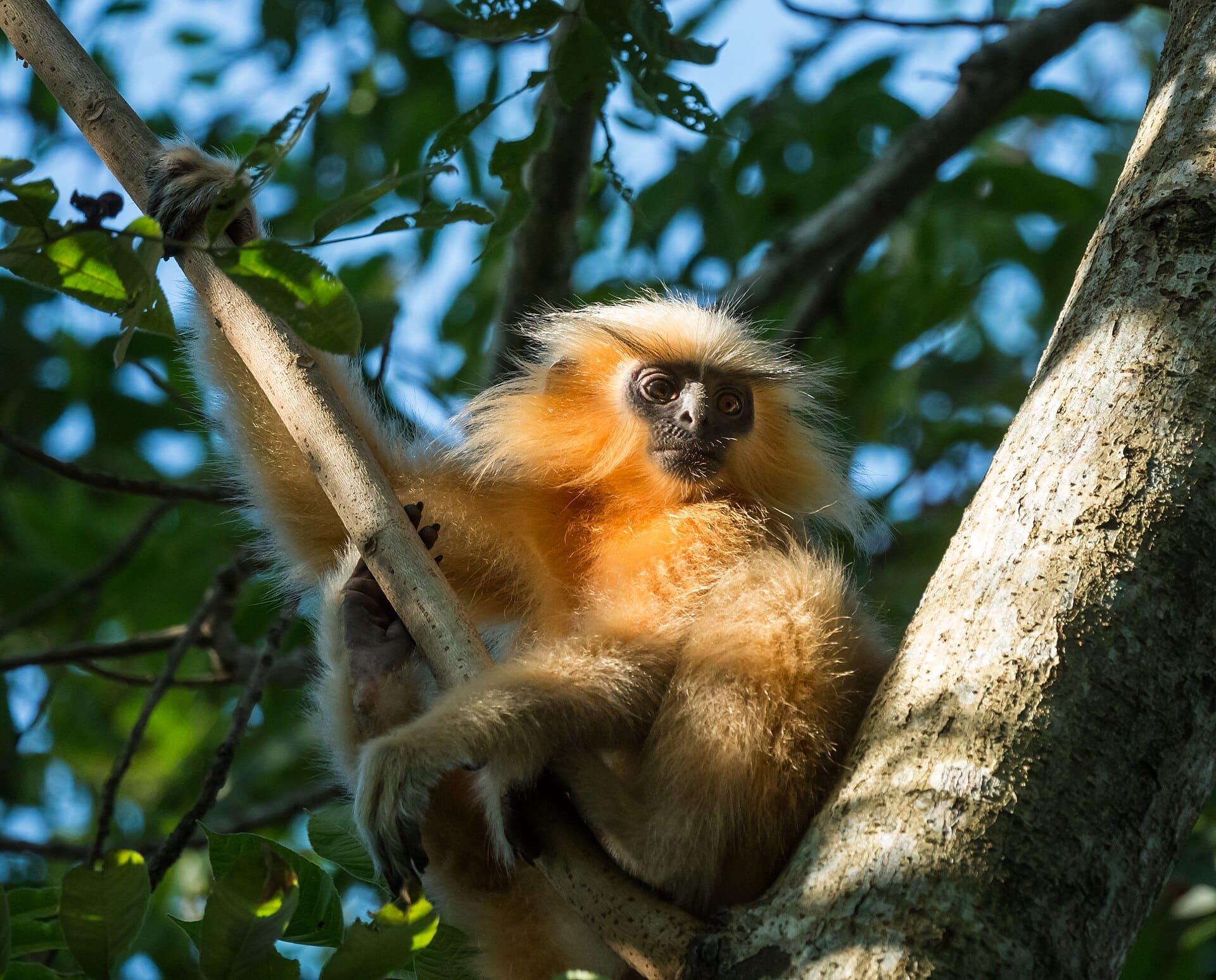
That is a little over a century of protection, and the arithmetic of it is remarkable: from an animal so scarce that the Vicereine could not find one, to roughly two-thirds of the entire world population living in this one park. We have written about what it is like at close range, and the park has its own page here.
You will also be told a romance about a girl called Ranga and a boy called Kazi, said to have given the place its name. It is repeated everywhere and attested almost nowhere, and the guides who tell it do not agree on the ending. Enjoy it as a story - the Curzon account is the one with a paper trail.
3. Manas Wildlife Sanctuary, Assam - UNESCO 1985
Manas takes its name from the Manas river, which comes down out of Bhutan to join the Brahmaputra - and the river takes its name from Manasa, the serpent goddess, worshipped across this part of the plains.
Its history is the hardest of the three and the most worth knowing. Listed alongside Kaziranga in 1985, Manas was then caught in the armed conflict over Bodo political autonomy through the late 1980s and 1990s. Poaching and encroachment gutted it; tiger, rhino and swamp deer numbers collapsed. In 1992 UNESCO moved it onto the List of World Heritage in Danger.
It came off that list in 2011. The recovery followed the creation of the Bodoland Territorial Council in 2003, and it was done substantially by the communities on the park's edge - former poachers taken on to patrol the forest they had been emptying, and animals brought back in. It is one of the few genuinely successful reversals of its kind anywhere, and almost nobody outside Assam has heard of it.
On the waiting list
UNESCO's tentative list is the queue: a country nominates sites to it first, and years - sometimes decades - later a few are inscribed. Four entries from this region are sitting in it now.
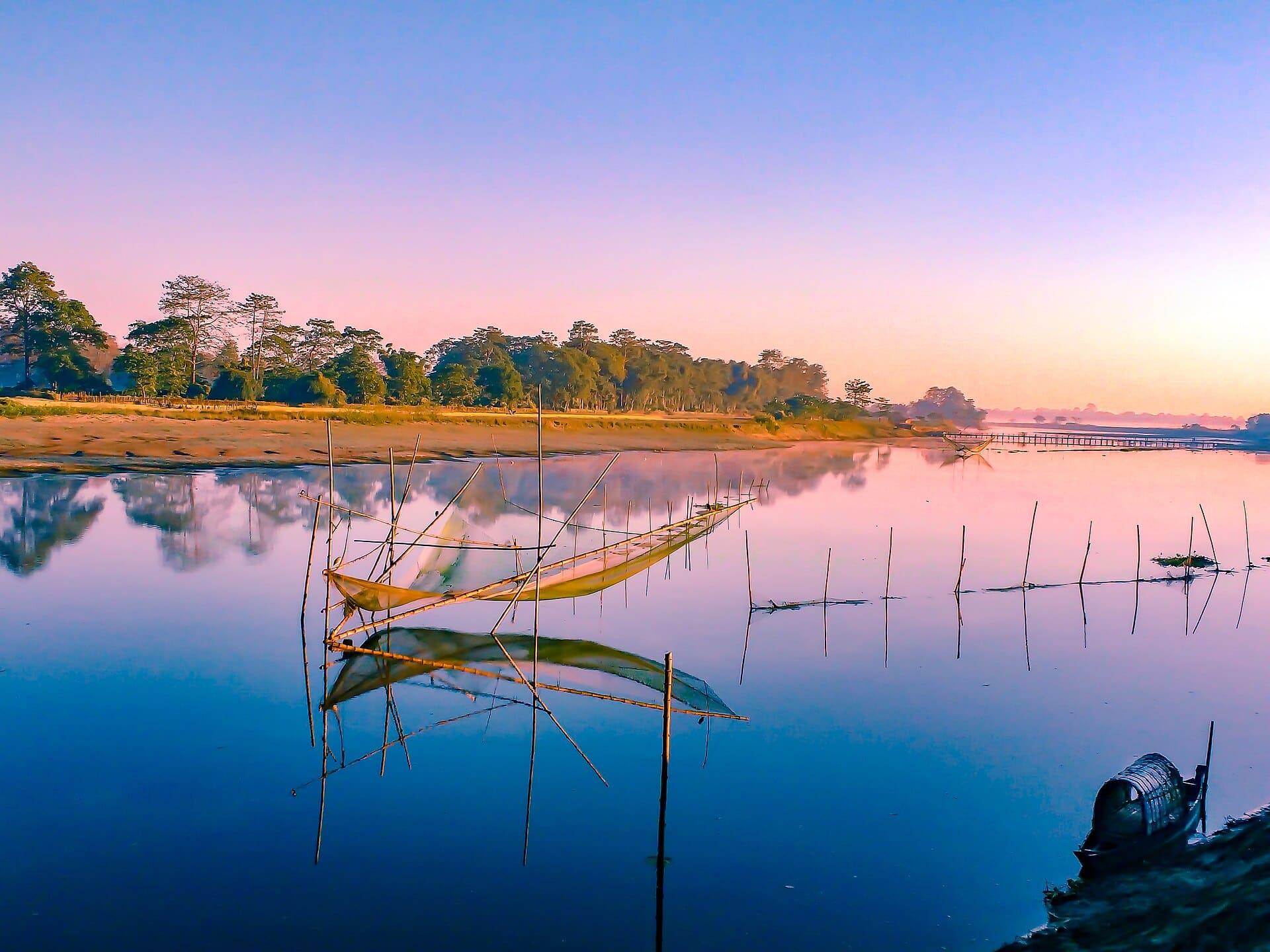
4. Majuli, Assam - tentative list since 2004
One of the largest river islands in the world, and the spiritual centre of Assamese neo-Vaishnavism. Its satras - monasteries founded in the tradition of the 15th-century saint and reformer Srimanta Sankardeva - are not ruins. They are functioning institutions where dance, drama, music, manuscript and mask-making have been carried continuously for five centuries.
The mask-makers of Chamaguri are the part visitors remember: bamboo, clay and cloth built into the faces of gods and demons for the bhaona theatre, still made the way they were made for Sankardeva's own productions.
It has been on the tentative list for over twenty years, which tells you something about how slowly this process moves. It is also, separately and urgently, disappearing - the Brahmaputra has been eating the island for decades. Two days there is the minimum that does it justice.
5. Jingkieng Jri - the living root bridges, Meghalaya - tentative list since 2022
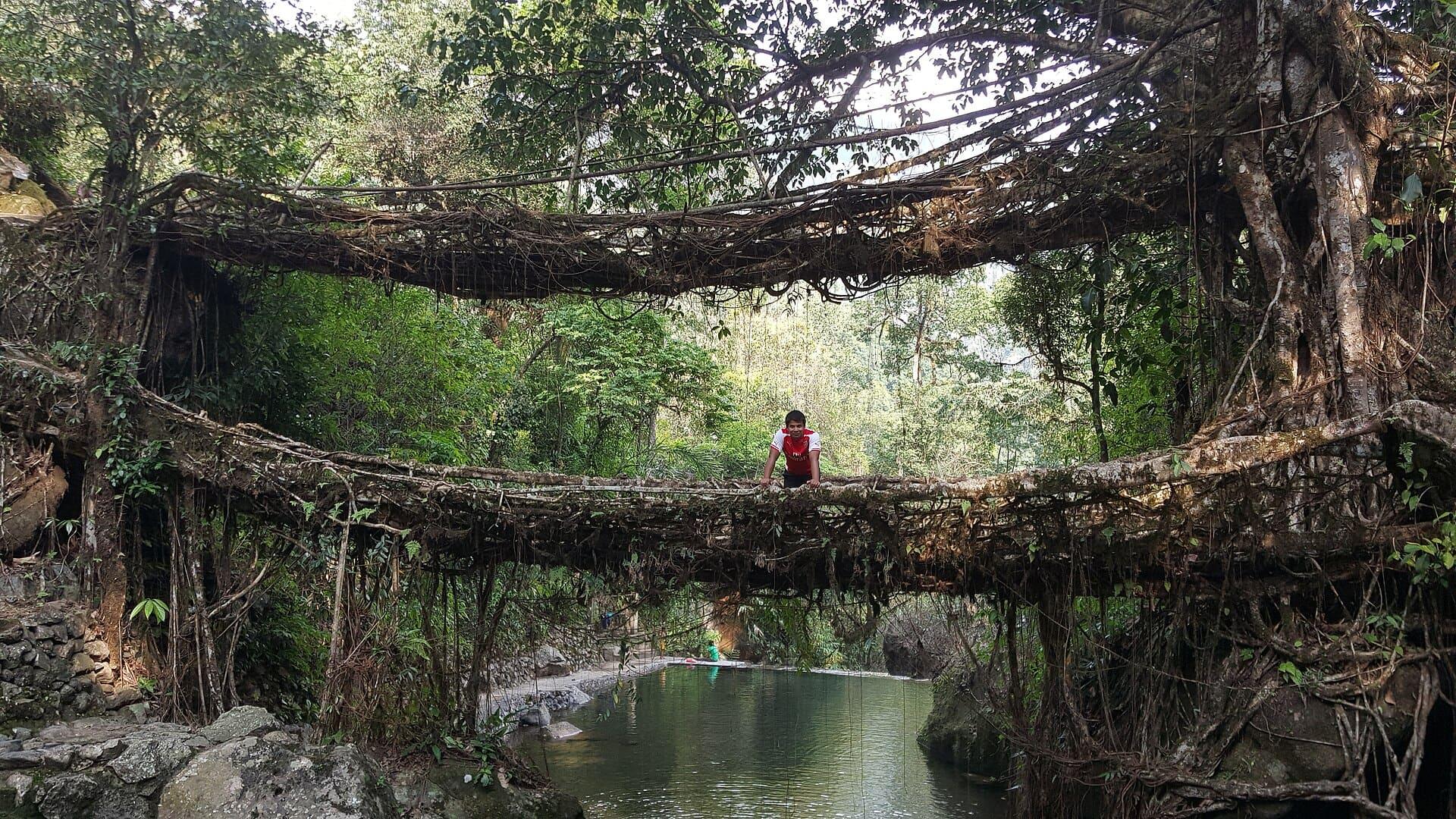
Not built. Grown. Khasi and War communities train the aerial roots of the rubber fig across a stream, guiding them along bamboo or hollowed betel trunks until the roots reach the far bank, take hold and thicken. It takes decades. The bridge then gets stronger every year rather than weaker, which is the opposite of how engineering normally behaves, and the oldest are said to be well over a century old and still going.
The double-decker at Nongriat is the famous one and it is a genuine descent - a long stair down and the same stair back up. We have written about doing it.
What makes the UNESCO nomination unusual is that the thing being nominated is a practice as much as an object. A root bridge only exists because a village keeps tending it across generations. Stop, and it is just a tree.
6. Unakoti, Tripura - tentative list since 2022
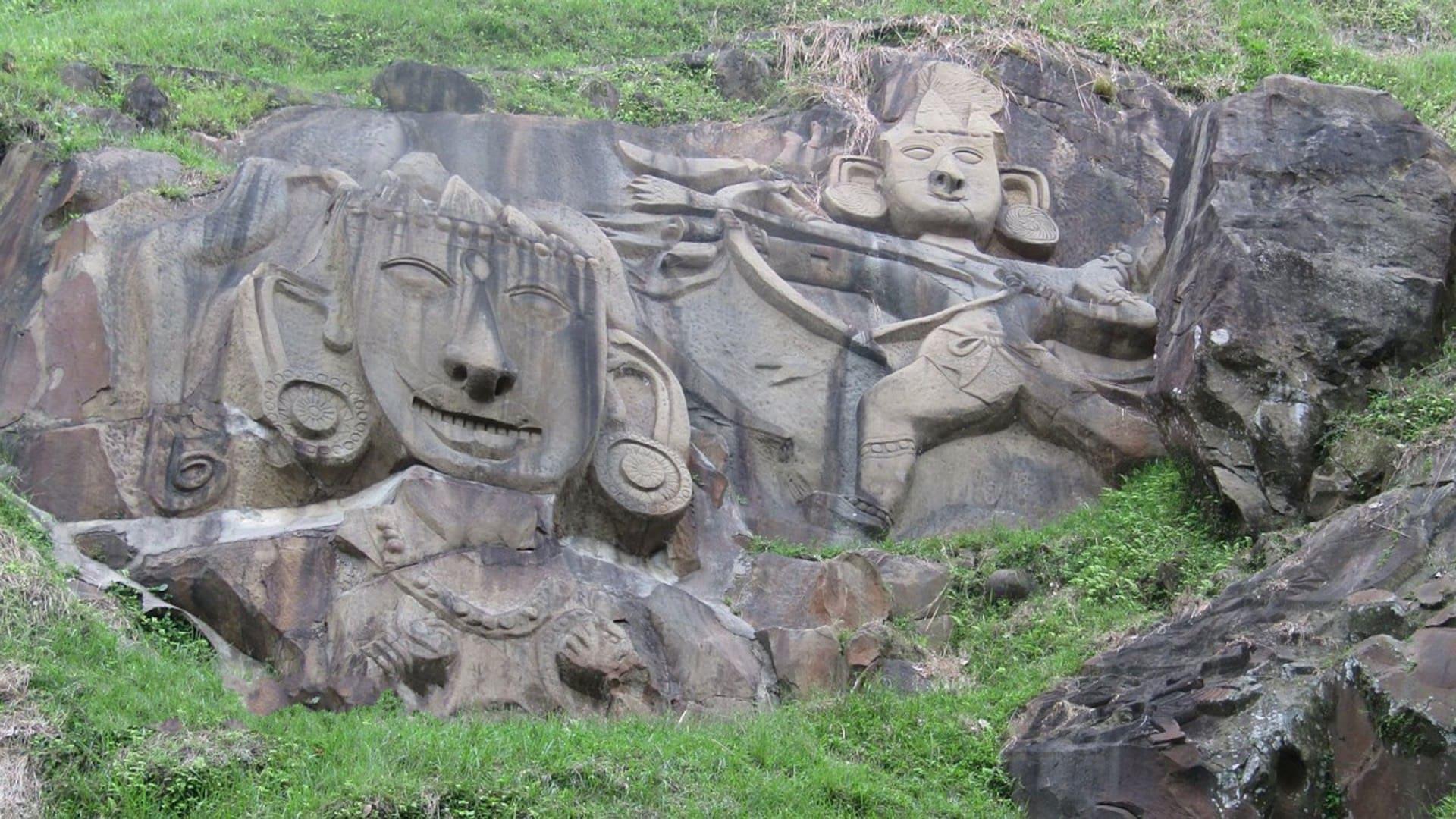
A hillside in the Raghunandan hills covered in colossal Shaivite rock carvings from around the 8th and 9th centuries, including a Shiva head - Unakotiswara Kal Bhairava - some thirty feet high with a headdress of another ten.
The name is the story. Unakoti means one less than a crore: 99,99,999. And there are at least two legends explaining it, which contradict each other, as the good ones do.
In the first, the gods and goddesses - a crore of them - halted here overnight on the way to Kashi. Shiva told them all to rise before sunrise and continue. Come morning only Shiva was awake, and he cursed the rest to stand there as stone.
In the second, a sculptor named Kallu Kumhar begged to accompany Shiva and Parvati to Kailash. He was set a condition: carve one crore images of the gods in a single night. He worked until dawn and finished one short - and was left behind with his own unfinished hillside. A variant has him finishing the crore but carving the last figure as himself, out of vanity, and being abandoned for that instead.
Tripura is outside the three states we currently run trips in, so this is one we are recommending rather than selling.
7. The Apatani cultural landscape, Ziro, Arunachal Pradesh - tentative list
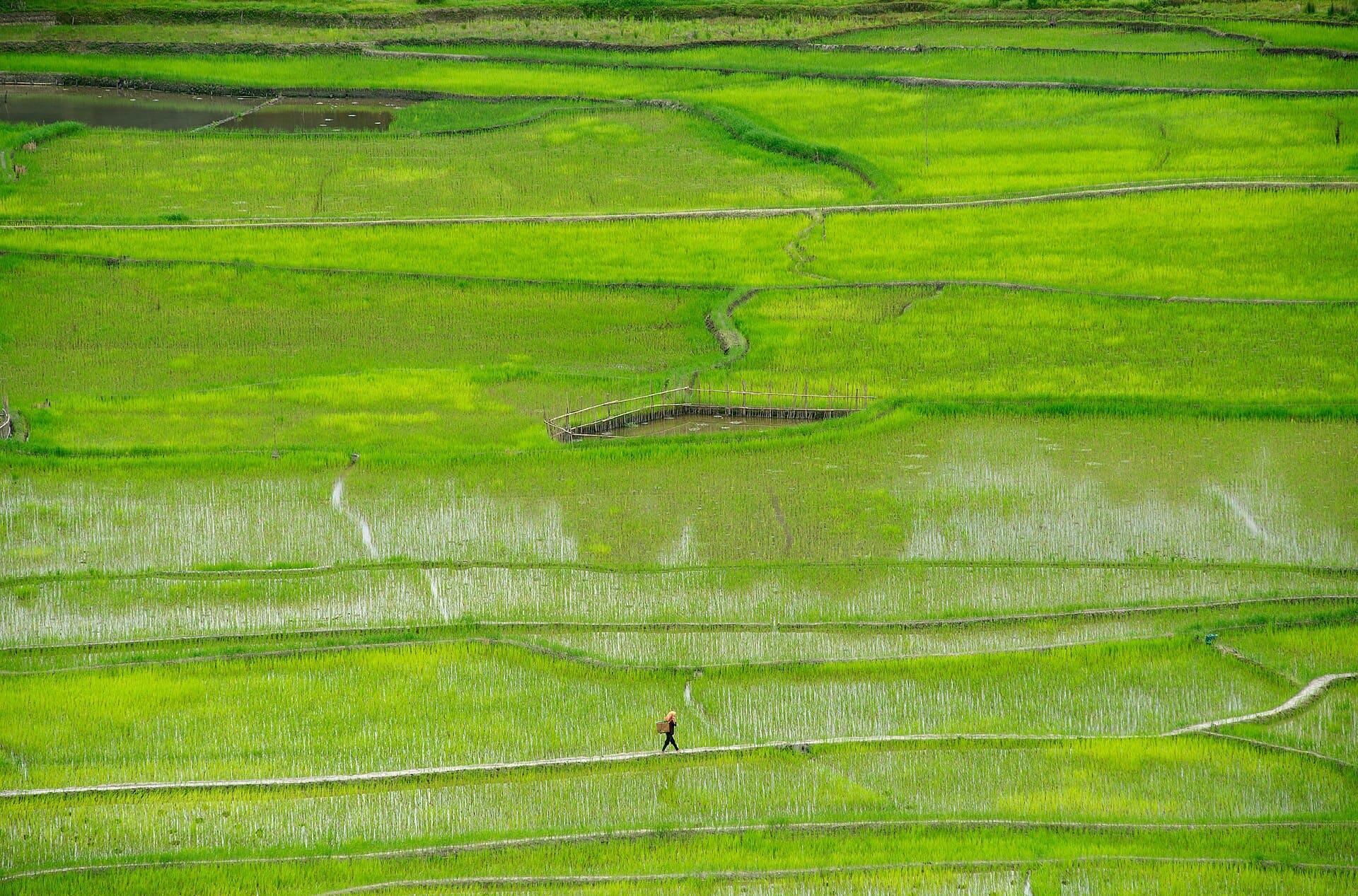
A valley floor farmed by the Apatani for centuries without draught animals, without terracing on the scale you would expect, and without the land degrading. Wet rice and fish are raised in the same flooded fields, water is moved through the valley by a hand-managed channel system, and the surrounding forest is maintained as a resource rather than cleared.
The nomination is for the landscape as a working system - the argument being that this is a model of sustainable land use, not a relic. Ziro is also where the music festival happens each September, which is how most outsiders first arrive.
Arunachal needs an Inner Line Permit; the permits guide covers who needs what.
On no list at all, and arguably should be
Three more, with no UNESCO status of any kind, that carry as much history and considerably more living belief than several that do.
8. Kamakhya, Guwahati
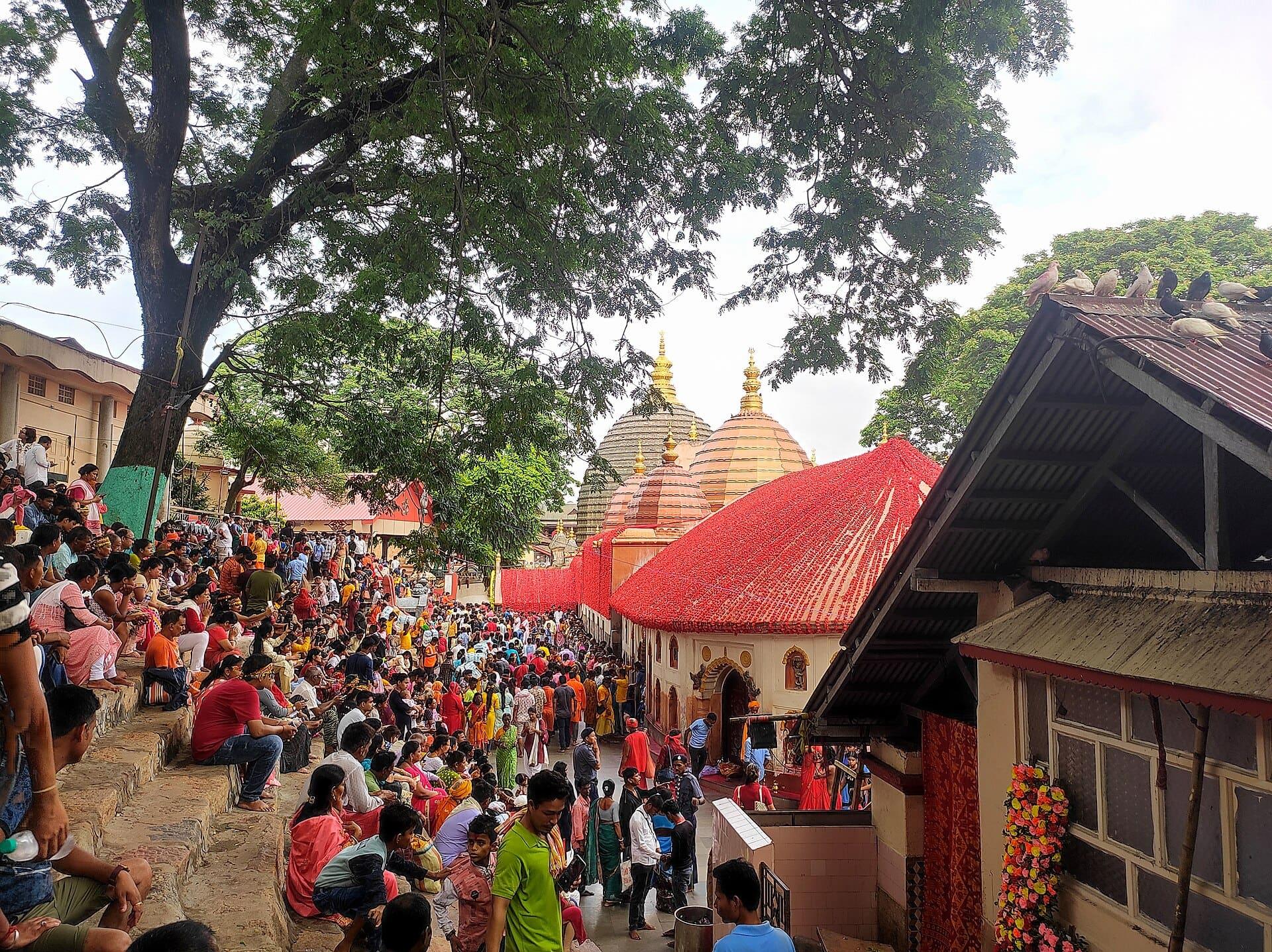
The most important Shakta temple in eastern India, on Nilachal hill above Guwahati, and one of the very few major Hindu temples where the object of worship is not an image at all.
The mythology: Sati, married to Shiva against her father Daksha's wishes, immolated herself at Daksha's sacrifice after he insulted her husband. Shiva carried her body across the world in grief, and to end it her body was severed and fell to earth in pieces. Each place a piece landed became a Shakti Peetha. At Kamakhya it was her yoni. There is no idol in the sanctum - there is a cleft in the rock, kept wet by a spring.
Which produces the most extraordinary festival in Assam. For three days each June, during Ambubachi, the goddess is held to be menstruating; the temple closes completely, and reopens to hundreds of thousands of pilgrims. A temple shut because the deity is bleeding is not a thing you find in many religions. Our temple circuit covers how to visit, and Sacred Assam the state-wide version.
9. The Mawphlang sacred grove, Meghalaya
Twenty-odd kilometres from Shillong, a dense patch of old forest that has never been cut, standing in grassland that has been grazed bare for centuries. The line where one becomes the other is abrupt and slightly unnerving.
It survives because of a rule. The grove belongs to the Lyngdoh Mawphlang clan and is the abode of the guardian spirit - U Ryngkew U Basa, Labasa - who is said to appear as a snake, a tiger or a leopard, and to protect or punish according to how you behave. You may walk in. You may not take anything out. Not a branch, not a stone, not a fallen leaf. Guides will tell you about visitors who tried and what happened next, and you can take those stories however you like.
But notice what the belief has done. Every unprotected forest around it has been logged or grazed to nothing over the same period. This one is intact, with orchids and rare medicinal plants growing undisturbed, because a taboo held where a law would not have. It is the clearest example in the region of folklore functioning as conservation policy.
10. Tawang Monastery, Arunachal Pradesh
The largest monastery in India, at about 10,000 feet, founded in 1681 by Merak Lama Lodre Gyatso at the instruction of the 5th Dalai Lama.
And named by a horse. The story, which is also the etymology: Merak Lama searched for the right site and could not settle on one, so he prayed for guidance. His horse went missing. He found it standing quietly on a hill called Tana Mandekhang, took that as the answer, and built there with the help of the villagers. Ta means horse, wang means chosen. Tawang - the place the horse chose.
The full name of the monastery, Tawang Galdan Namgye Lhatse, extends it: the site chosen by the horse, the divine paradise of complete victory. The road up is two full days from Guwahati and one of the great drives in India.
Seeing them
The three inscribed sites and Majuli are all in Assam and all sit on one sensible loop - Guwahati, Kaziranga, Jorhat, Majuli, Sivasagar and Charaideo - which is roughly the shape of our Assam Heritage Trail. Mawphlang and the root bridges belong to a Meghalaya leg; Tawang and Ziro are Arunachal and need permits and real driving time.
Trying to do all ten in one trip is the mistake. They are spread across four states and some very slow roads, and the moidams in particular reward an unhurried afternoon far more than a photo stop.
If it helps explain why any of this is suddenly getting attention: the New York Times put Assam fourth in the world for 2025, and the Charaideo listing was one of the three reasons. Tell us what you want to see and we will build the route around it.