Dzukou Valley sits high in the hills of Nagaland, far from anywhere you'd expect to end up. A day in Kohima, a trek through monsoon rain, and a night I still think about. I came back with a story I'm still telling people, and it starts on a train.
Day 1: Kohima, before the climb
The train ride out of Guwahati is where the trip actually starts to feel real. Not the day you book the ticket. Not the day you pack. Somewhere past the Assam border, on the Jan Shatabdi, the hills start looking unfamiliar. Dimapur waits at the other end of it, oddly similar to the city I just left. Same crowds, same noise, same concrete.
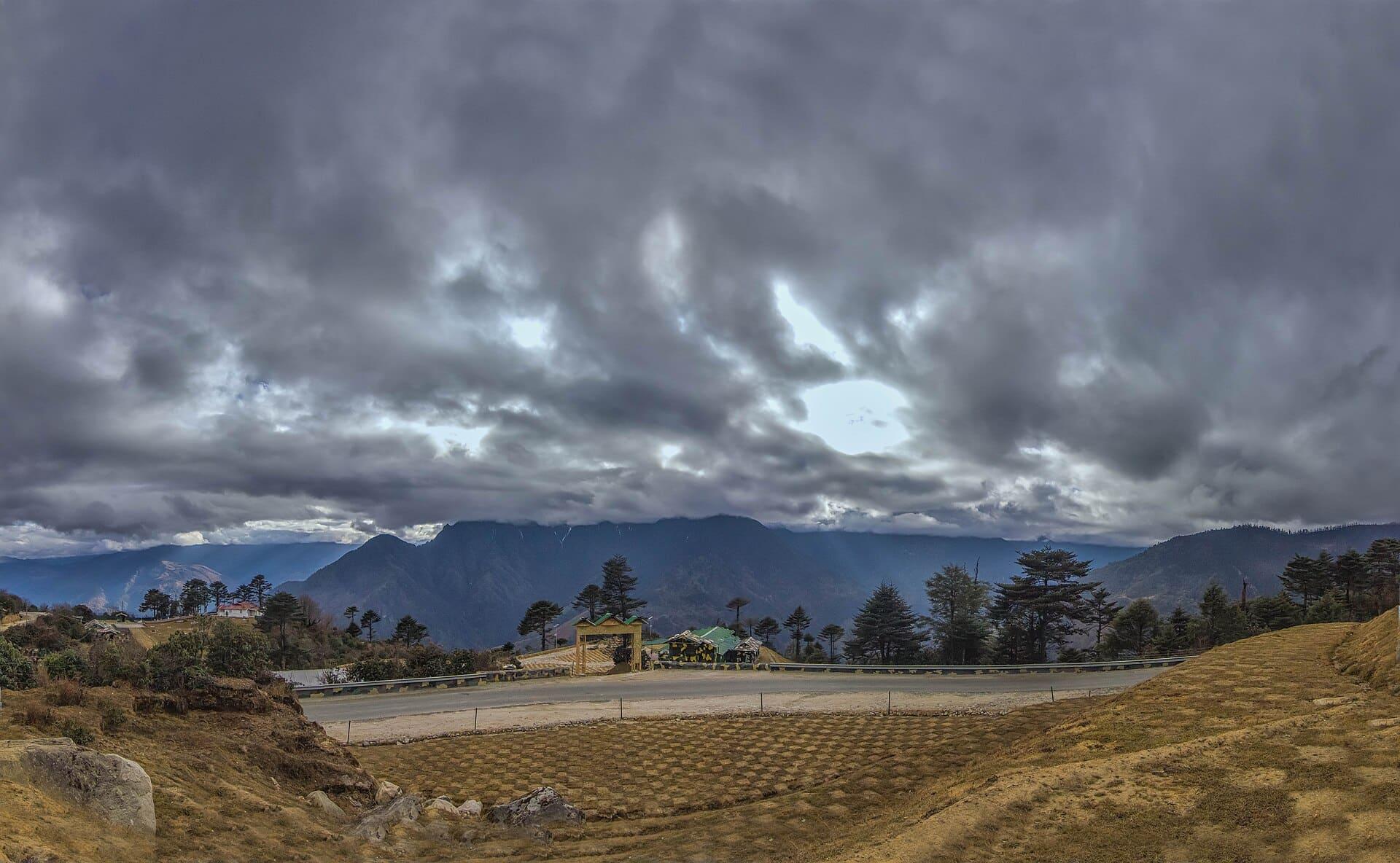
But that doesn't last. The road out of Dimapur climbs toward Kohima. Somewhere on that drive, the state finally shows itself. The air turns cooler, the traffic thins out, the roads get quieter. This is where Nagaland actually starts.
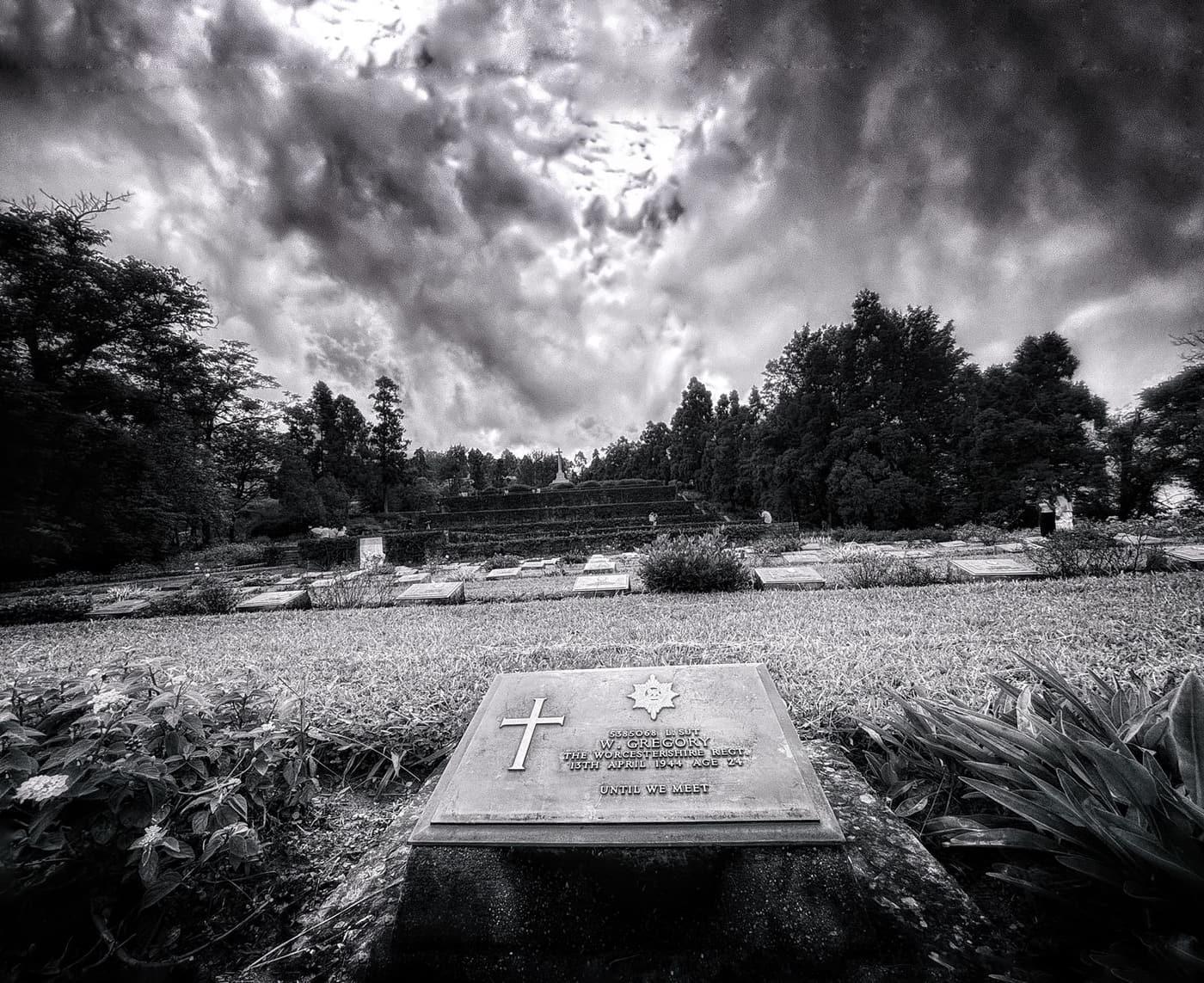
Once I'd settled into Kohima, my first stop was the War Cemetery. Row after row of white headstones on a hillside. One of them carries a line that's stayed with me since: "When you go home, tell them of us and say, for your tomorrow, we gave our today." It's a quiet place, and it asks you to be quiet in it too.
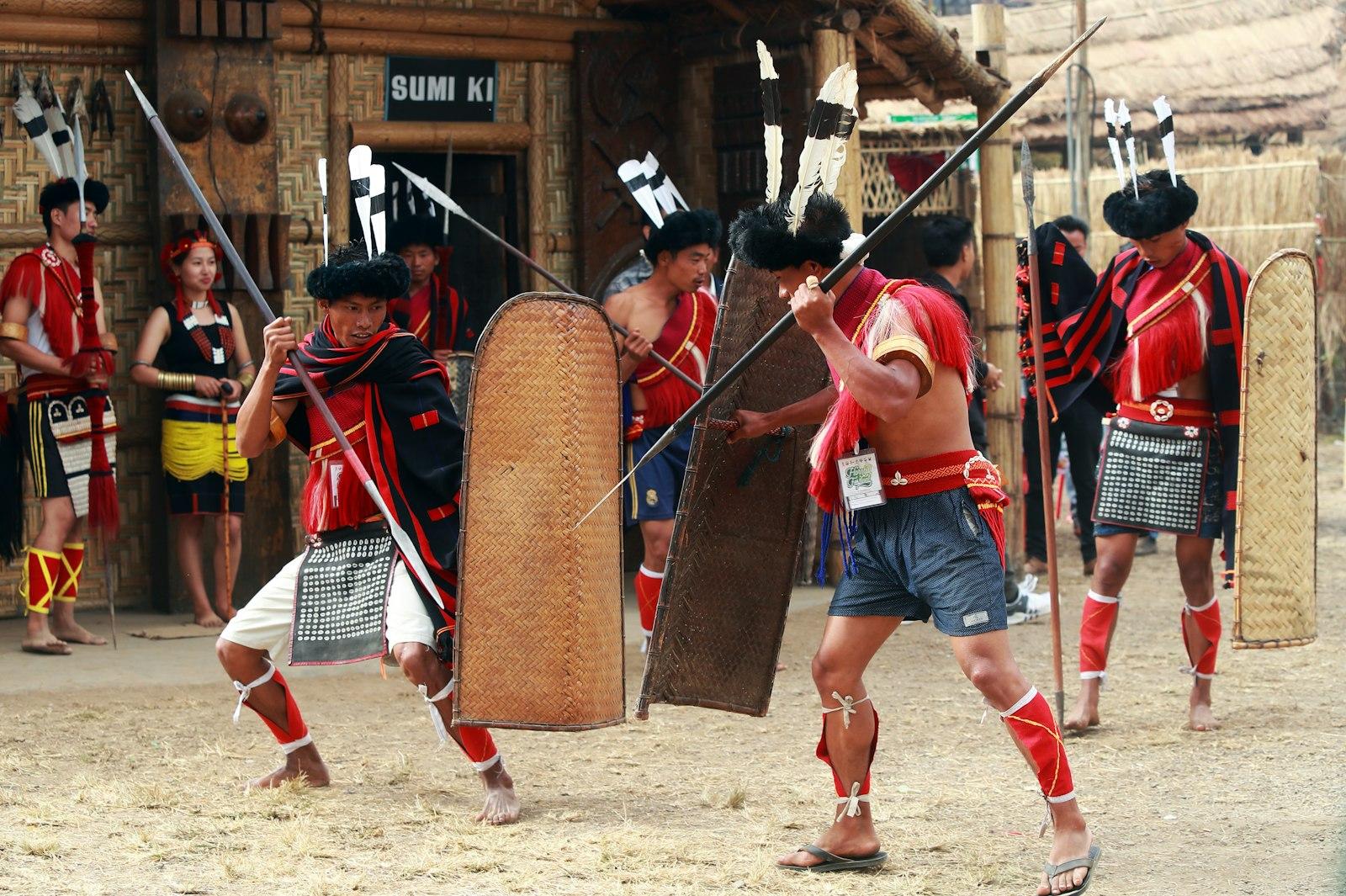
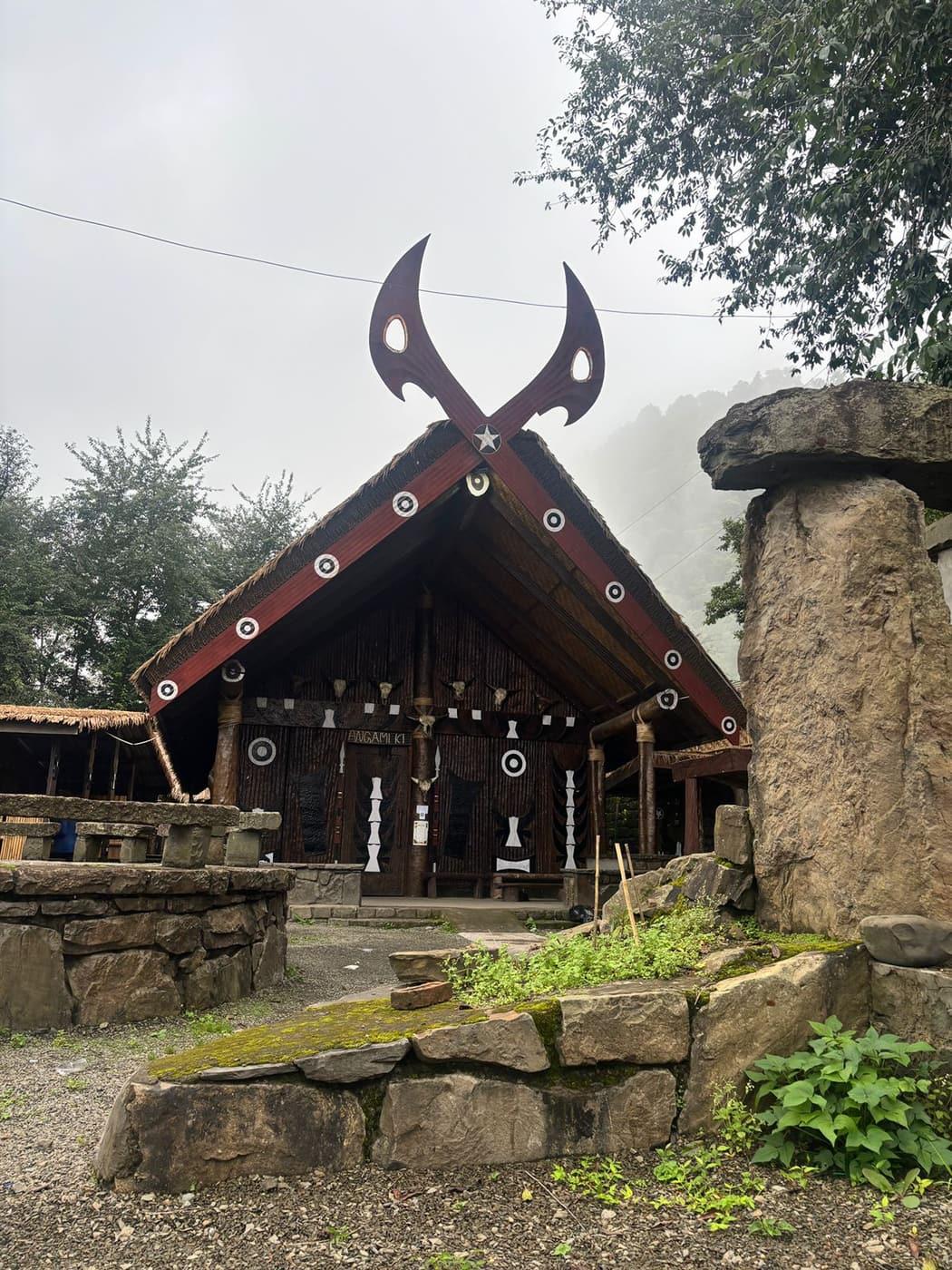
From there, I went on to Kisama Heritage Village, about twelve kilometres out of town. Every Naga tribe has its own traditional house built here, side by side. There's an arena big enough for every performance at the Hornbill Festival each December. I happened to be there during a football weekend, flags everywhere, the whole place lit up.
By evening, I was just walking through Kohima itself, no real plan. Then the homestay for the night. Good local food, and rest before the trek waiting the next morning.
Day 2: Straight up, into the fog
Morning came fast, and so did the pickup truck that took us up toward the trailhead. It was raining already. Somehow that turned into singing, the whole group half soaked and still finding it funny.
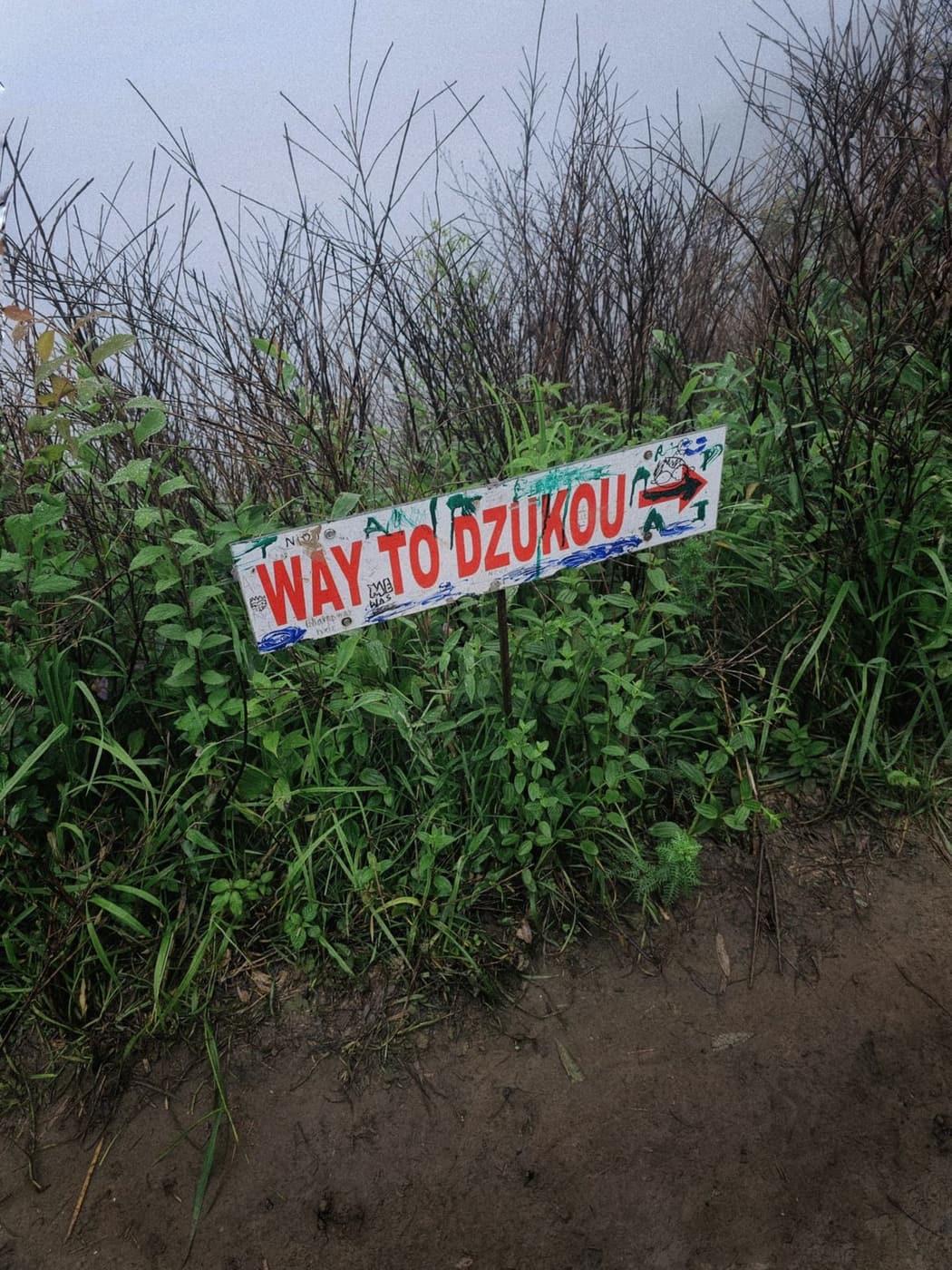
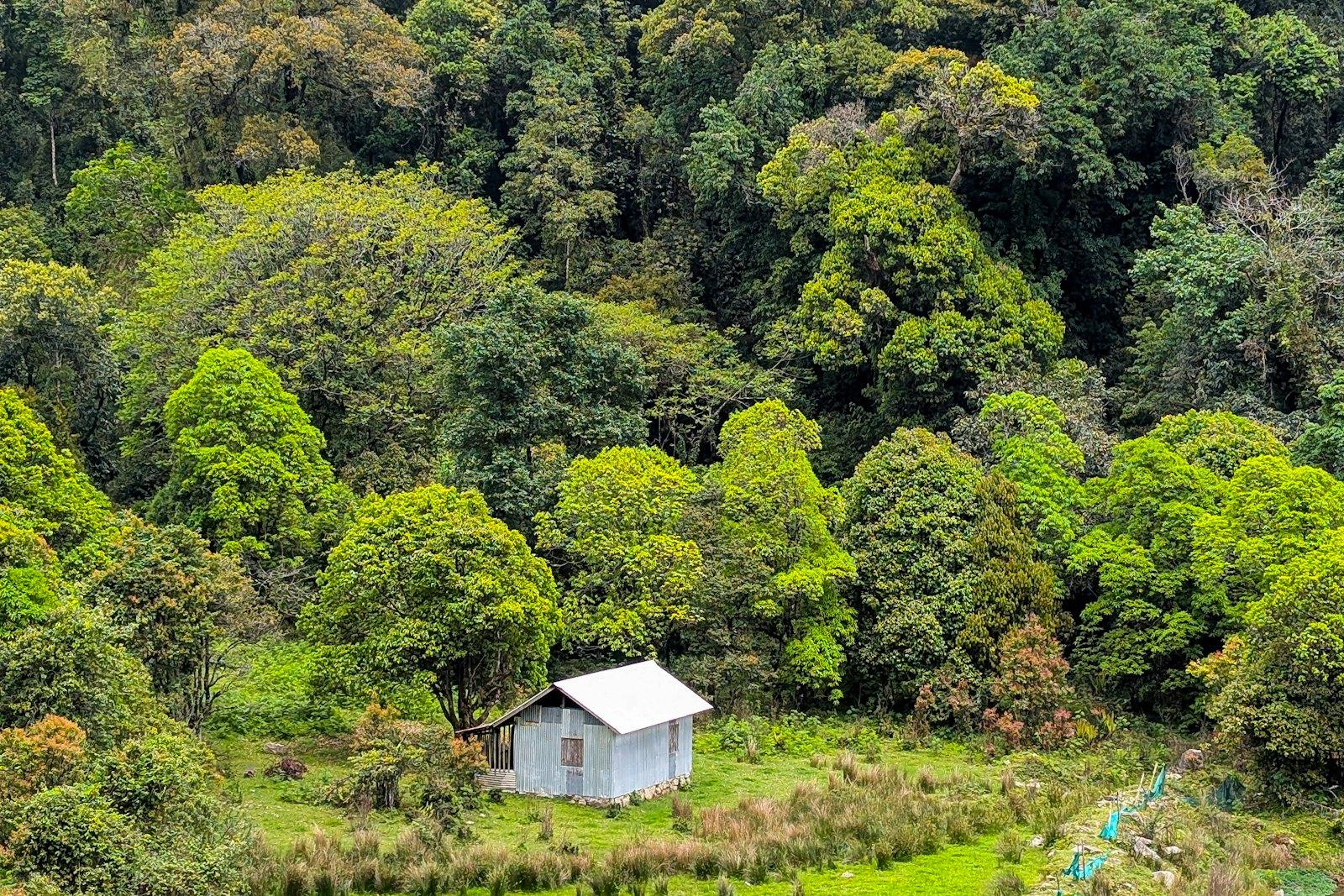
The climb starts steady, then turns properly rugged: rock steps, a rope in a couple of places, the odd jump between boulders. We stopped once for lunch, right where the path toward the valley begins, and washed up in a cold stream nearby.
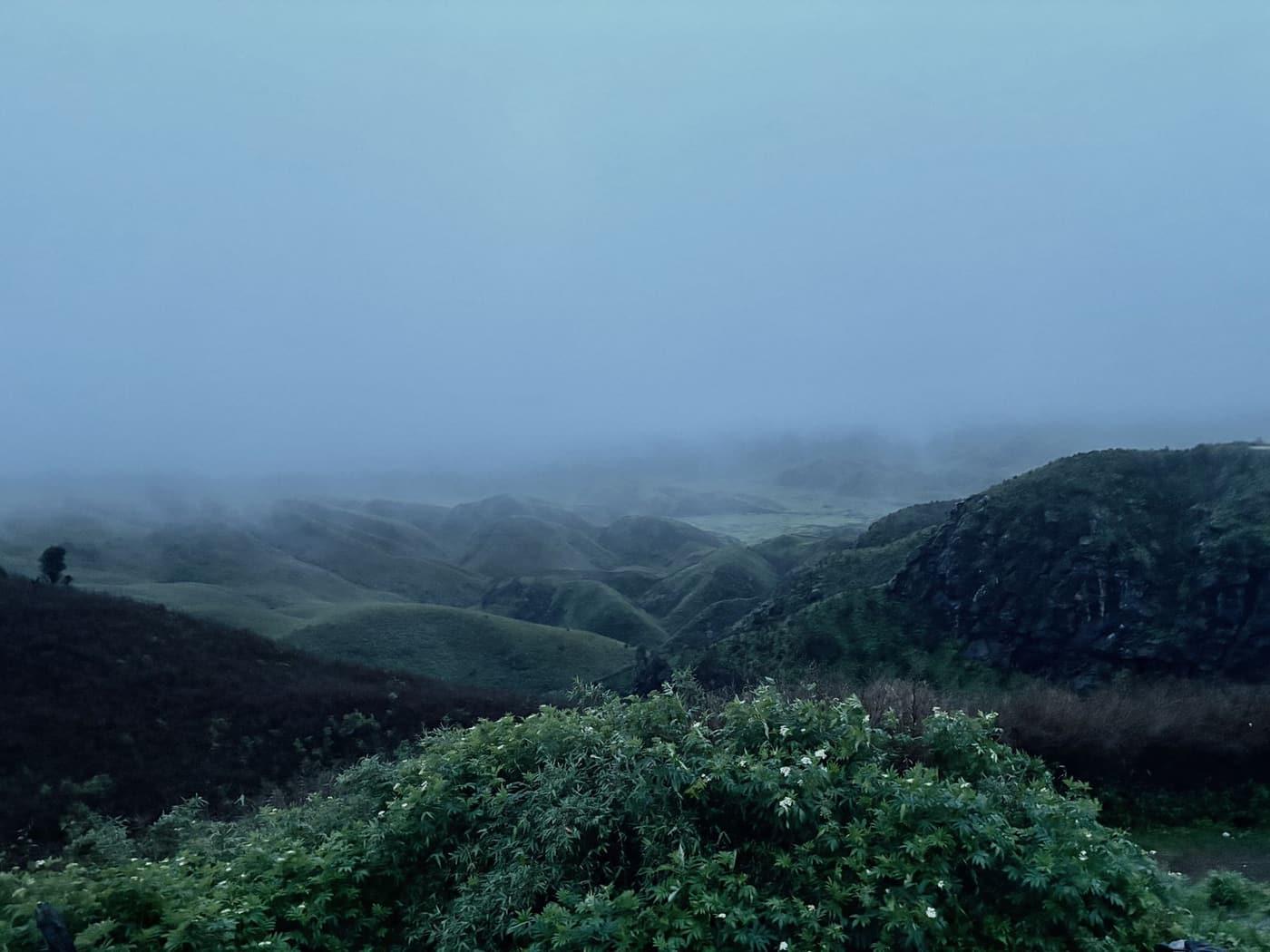
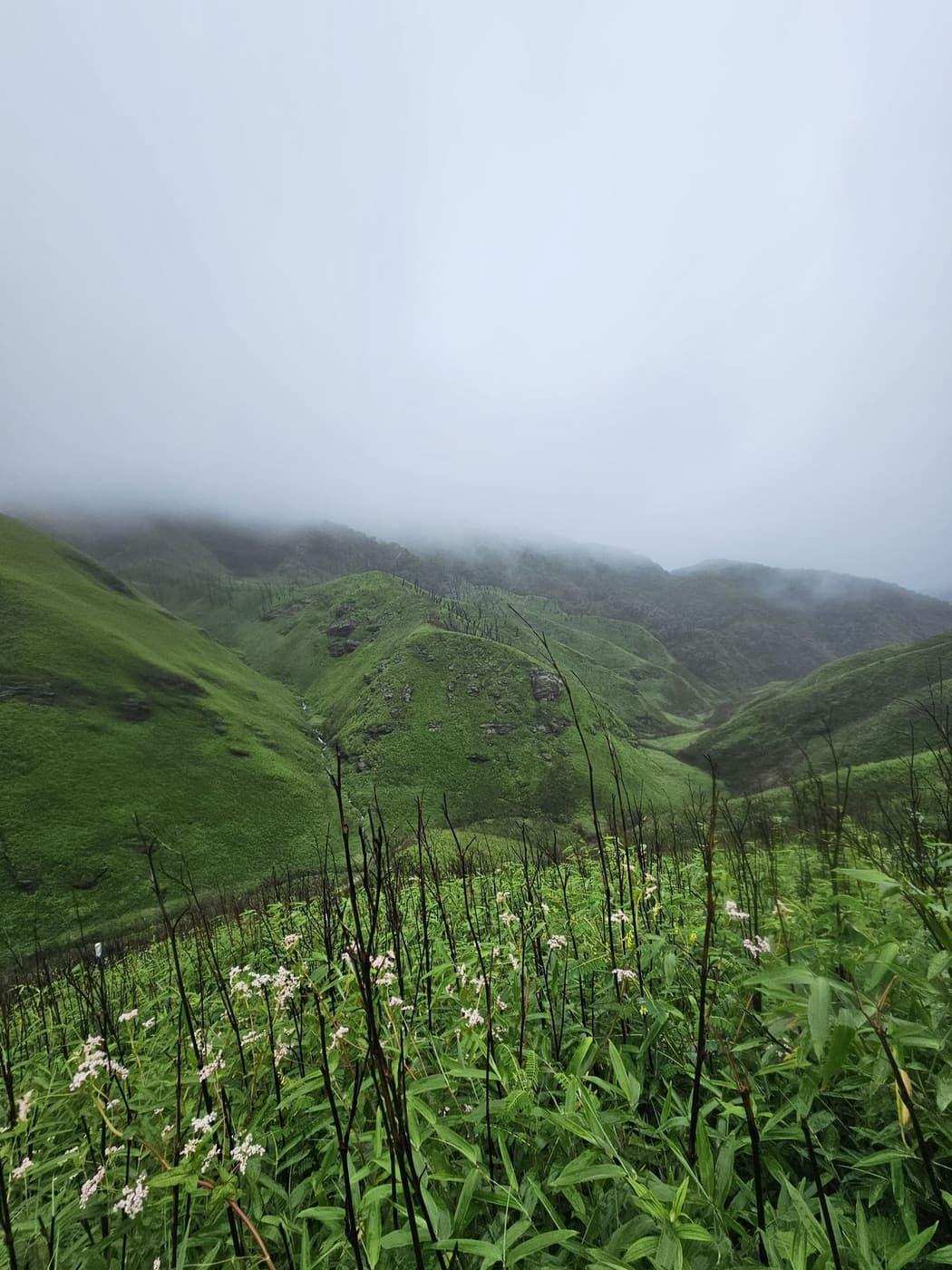
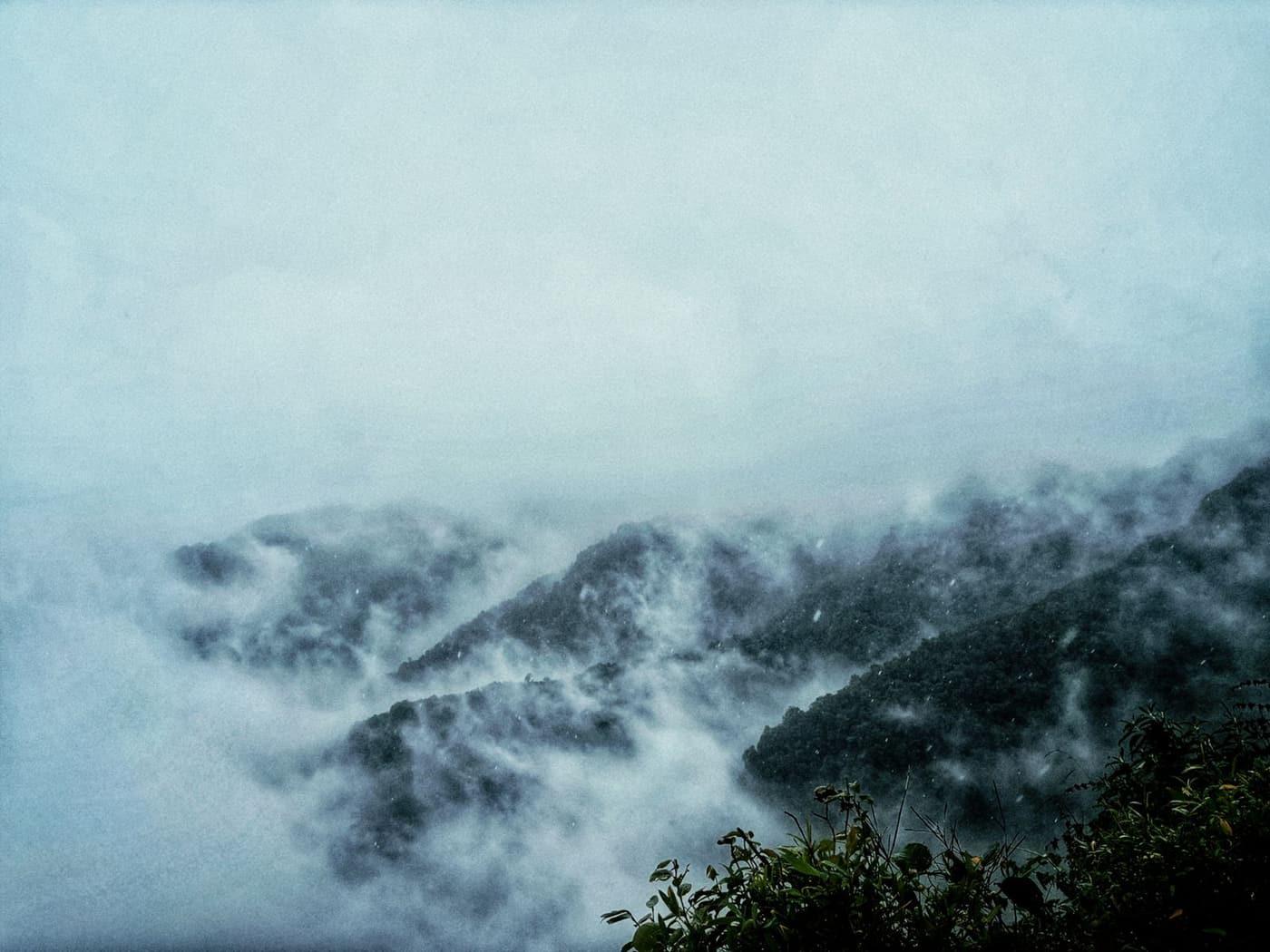
After that, the trail changes completely. No more steps, just a rolling path through trees and wildflowers. Fog rolled in thick enough in places to lose the person ahead of you.
Somewhere in there, the phone signal disappeared for good, and nobody in the group reached for a camera again. It just stopped mattering.
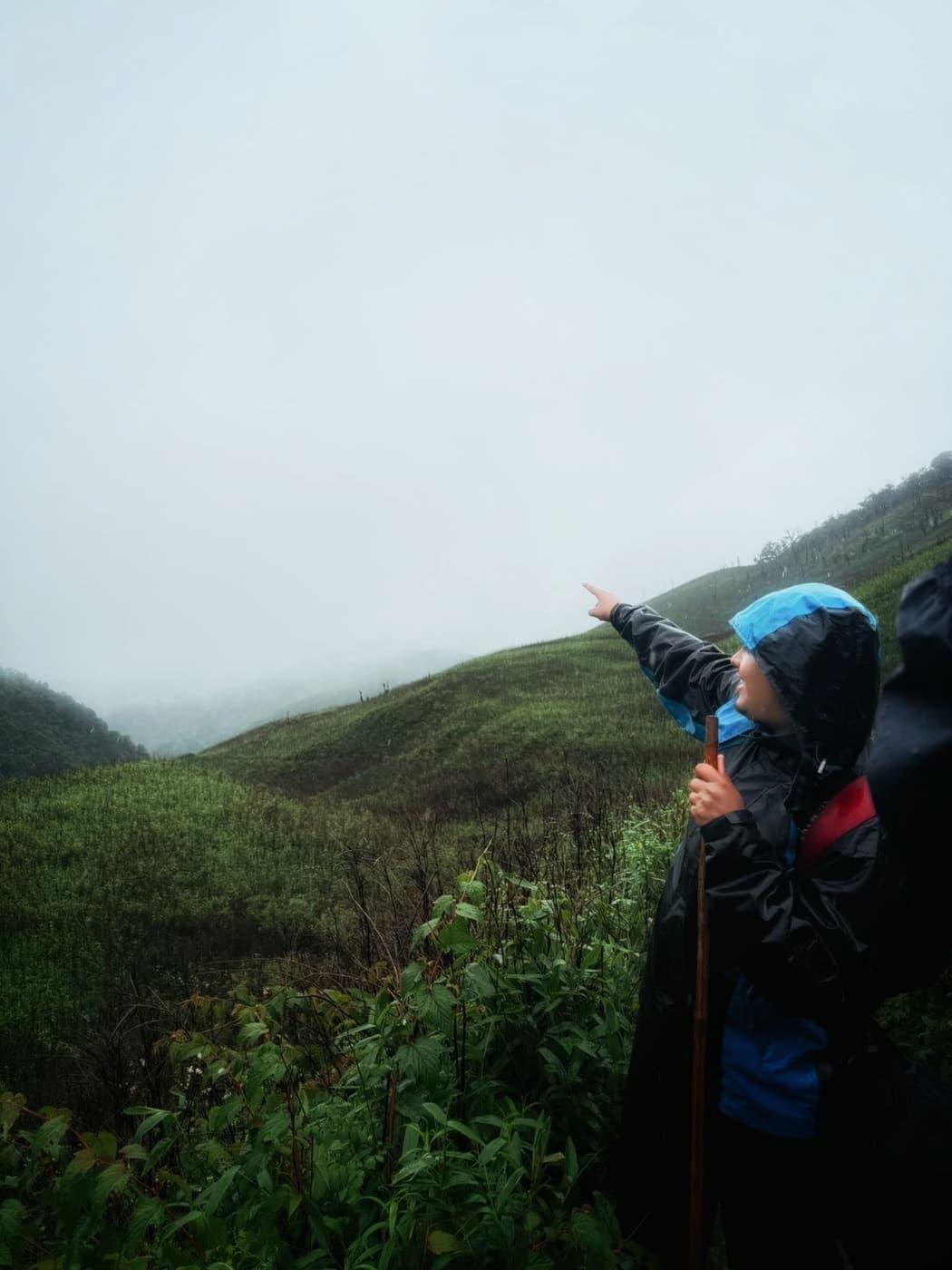
Then the valley opened up, eight thousand feet up, wide and green and completely quiet, a stream running through the middle of it, the Dzukou lily still blooming right on time for the season.
By the time we got back to camp, it was dark, and dinner was whatever the kitchen had that day. Nobody minded.
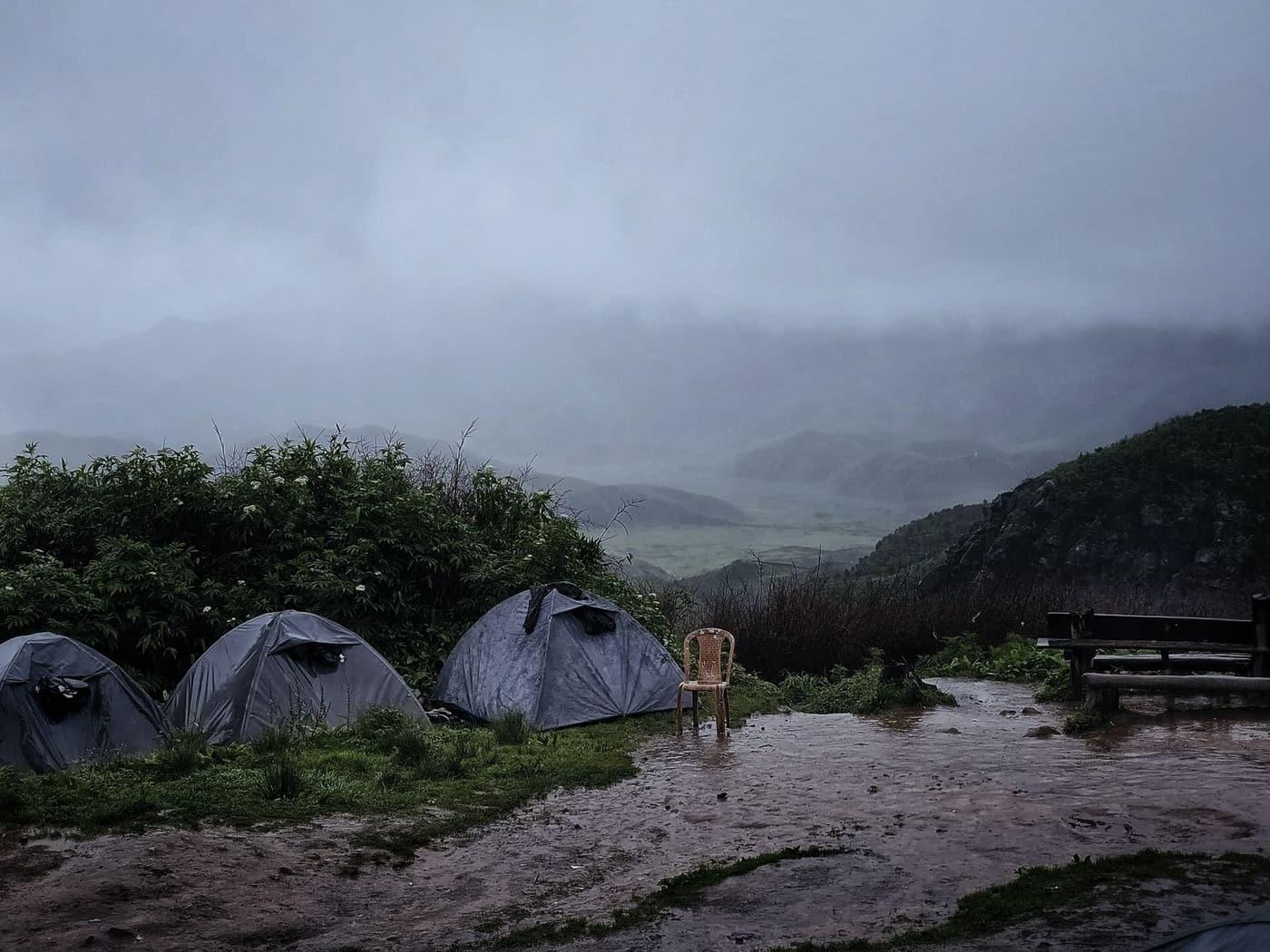
That night, we tried to light a fire. The rain put it out twice before it caught. It didn't last long, but for a while there was a group of near-strangers singing together in the dark, nobody checking the time.
It happened to be my birthday. Away from everyone who usually calls or texts on that day, I ended up celebrating it with people I'd met two days earlier, six of us crammed into a tent built for two, playing Uno by torchlight, laughing every time someone lost. That's the kind of thing you can't plan for. It's the kind of thing that stays with you longer than the view does.
Day 3: The way down
Morning came cold and clear this time, no fog, just steady rain that felt gentle after two days of everything else. I woke early enough to catch one more look at the valley before we left it, the kind of look you take because you know you won't get another one.
The way down felt different from the way up. Easier on the legs, harder on everything else. Nobody sang this time. It's strange how quiet a group gets on the last stretch of something, like everyone is trying to hold onto it a little longer before it turns into a memory.
By evening, we were back at the homestay, exhausted in the specific way only a mountain can leave you, carrying memories that hadn't fully sunk in yet.
Day 4: The way to Dimapur
The next morning we headed back to Dimapur, and with it, the return of network signal, notifications, everything we'd forgotten about during the trek.
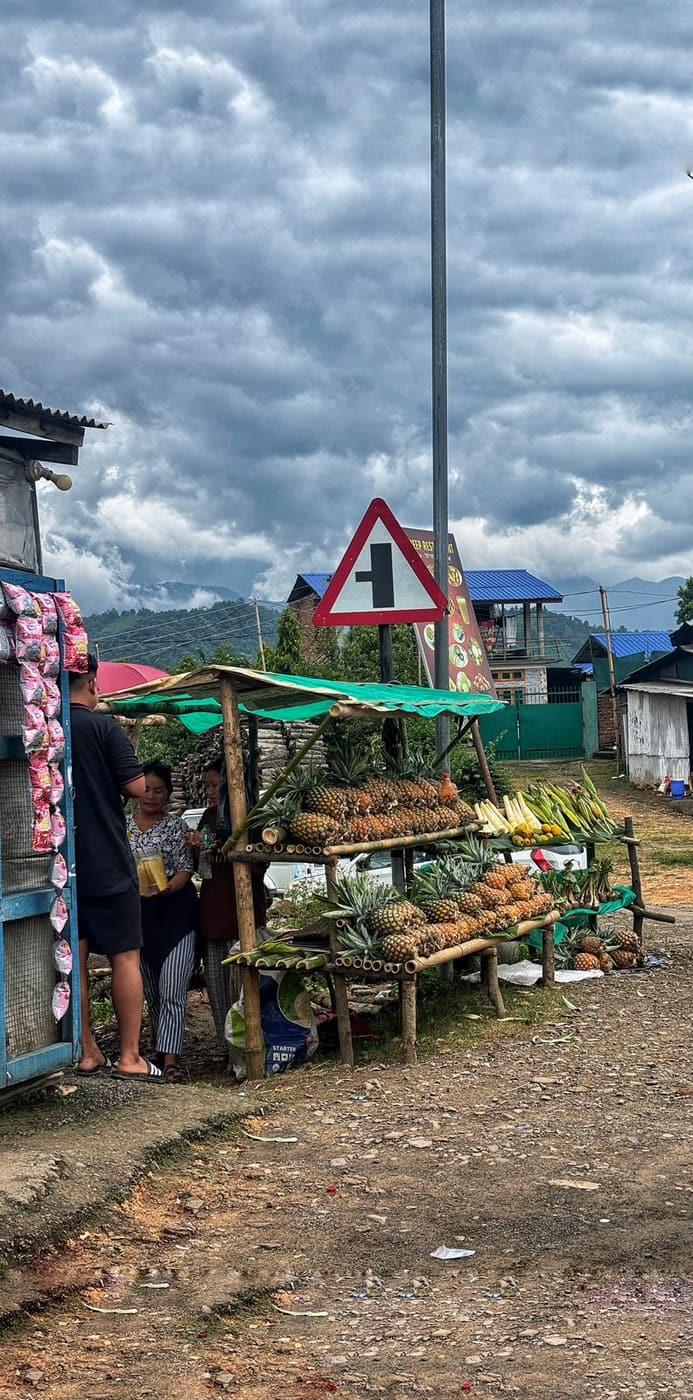
We stayed the night in Dimapur, which left just enough time to check the markets, Hong Kong Market especially, Dimapur's answer to a flea market, packed with imported clothes. If you're a football fan, the jerseys are cheap enough that you end up buying three instead of one.
Local cuisine
Food on this trip split into two very different experiences. Up at the valley, it was whatever the kitchen had that day, simple, no choices. After two days of trekking, that was somehow exactly right. Down in Kohima, the homestay meals were the opposite, proper Naga cooking, different every night.
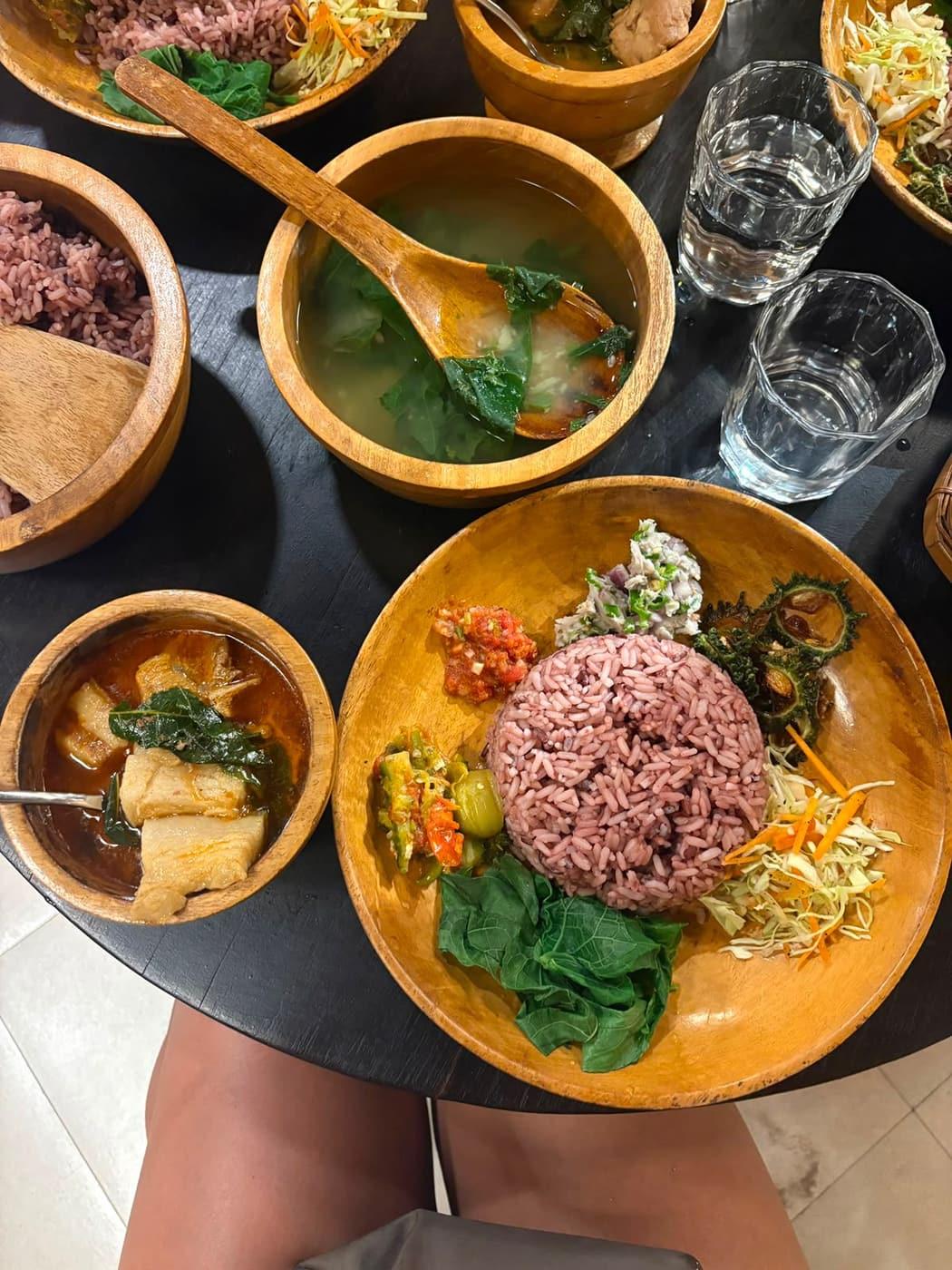
I didn't get to explore much beyond that myself, weather and time both worked against it. But a friend who knows the region well gave me a list worth passing on.
In Kohima: Teamate Boba Cafe, Naga Bean Cafe, Leisurely Art Cafe, Lee Hii, The Secret Garden at CK Arcade, Towé Ice Cream, Naga Bowl Cafe, and a small place near Kisama Heritage Village called The Kisama House.
In Dimapur: Shiro Roastery and Captain Americano for coffee, Cafe Dalgona and Korean Uncle's Cafe for Korean food.
Elsewhere to explore
I didn't get to see everything Nagaland has to offer, the weather had other plans. Two places are worth mentioning anyway, both close to Kohima, both on my list for next time.
Khonoma is often called Asia's first green village, a place that rebuilt itself around conservation after giving up hunting entirely.
Dzuleke, a short way further, is quieter still, known for birdwatching and homestays rather than sights to tick off. Neither needs the Dzukou trek to justify a visit, either could be its own trip.
Before you go
I went in looking for a trek. I came back with a handful of people I still talk to, and a valley I can't stop thinking about. That wasn't the plan, but it's the part that stayed.
If reading this has made you want to go, that's the whole point. A guide is mandatory now, permits need sorting, and getting the timing right, for the weather, the lilies, or just your own two weeks off, takes some planning. This is exactly the kind of trip we like putting together at Gentle Mile. Come talk to us.