Guwahati is the gate. Every flight into the North East lands here, every road out of it starts here, and for most visitors the city is a night at an airport hotel and a taxi in the morning. That is a reasonable way to treat a transit town and a poor way to treat this one.
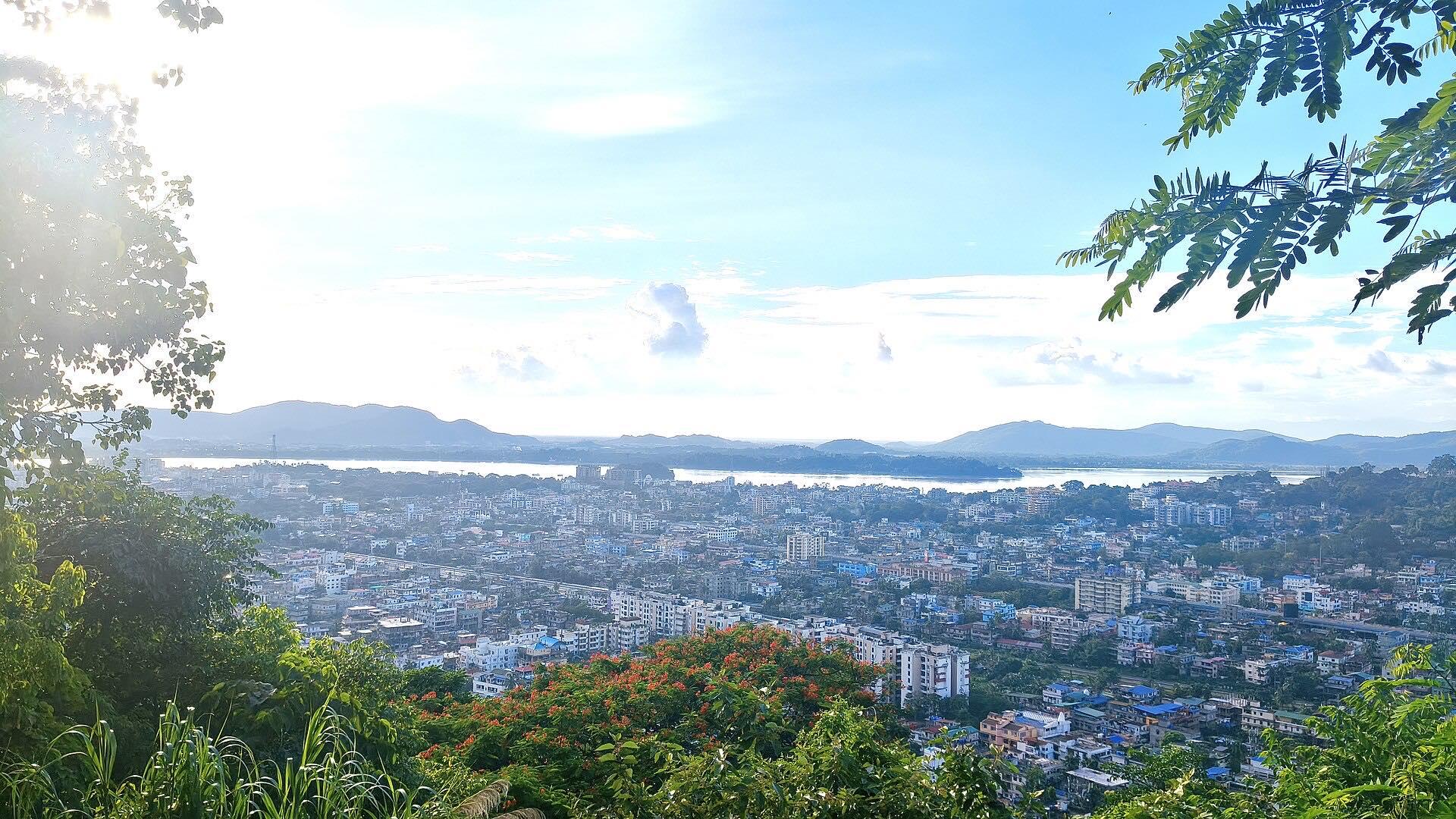
The city sits on both banks of the Brahmaputra with hills pushing into it from three sides. Its older name was Pragjyotishpura - the city of eastern light, or of eastern astrology, depending on who is translating - and it has been a seat of learning and worship for a very long time. What that leaves you with today is a working river city of a million people that happens to have one of the most important temples in India on a hill in the middle of it, a wildlife sanctuary on its eastern edge, and a silk-weaving town, a Sufi dargah and a thousand-year-old ruin all within an hour of the airport.
This guide is the overview. The narrower pieces underneath it go deeper on each part.
Give it two days, not one
One day in Guwahati means Kamakhya and the airport. Two days means Kamakhya properly in the morning, the river in the evening, and a full day for whatever is actually of interest to you - the rest of the temple circuit, a tea estate, a boat, a market.
Three days is when the city stops being a waiting room. That is enough for a day trip out to Hajo and Sualkuchi, or to Chandubi, or to Pobitora for rhinos and back before dinner.
The mistake is not staying too long. It is arriving at night, leaving at dawn, and concluding there was nothing here.
The temples
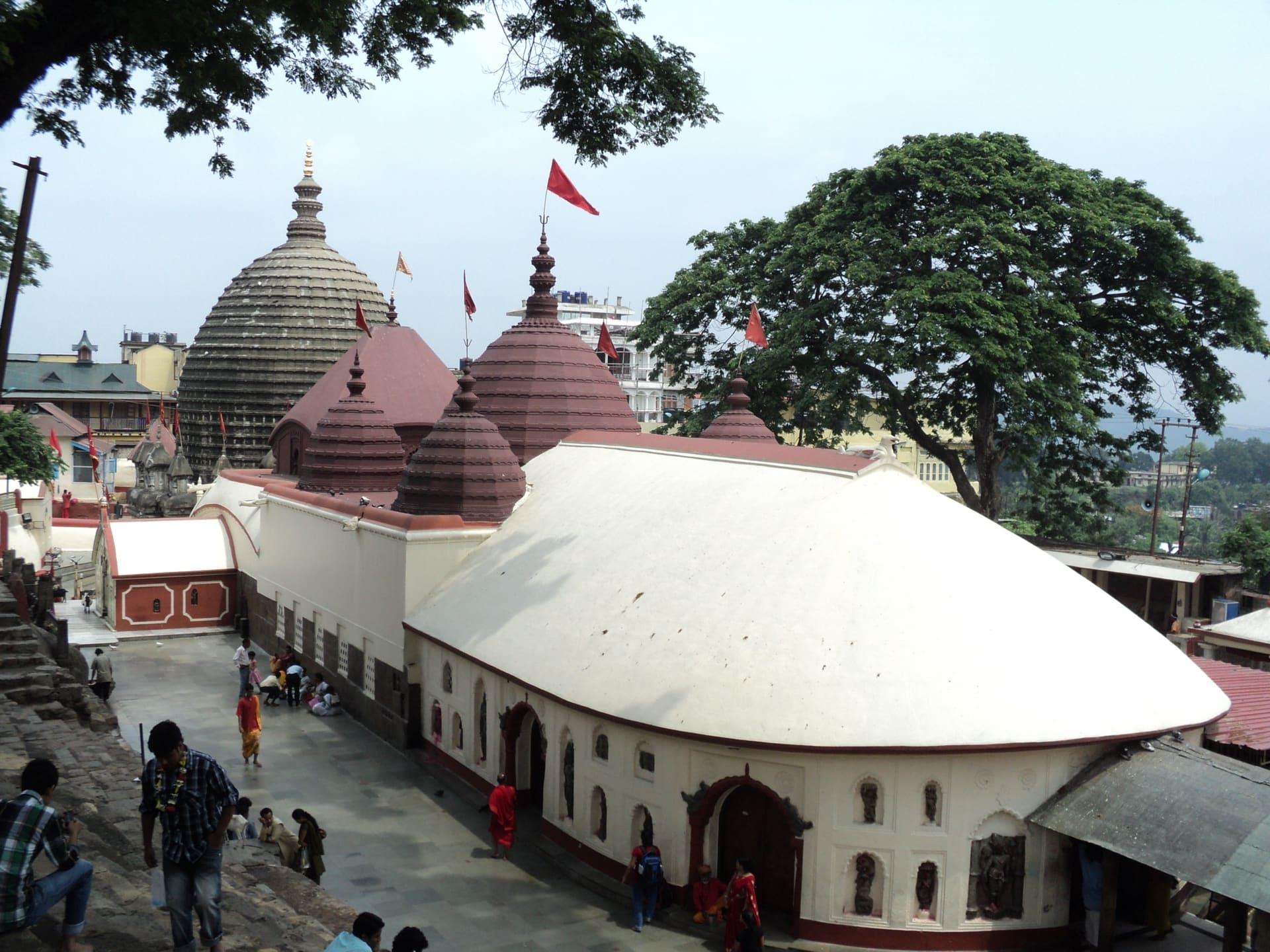
Kamakhya is the one everybody comes for - a Shakti Peetha on the Nilachal hill, no idol in the sanctum, only a natural spring in a cave. It is a working temple rather than a monument, and the general queue on an ordinary day runs for hours, which is why the VIP darshan pass exists and why we buy it.
What almost nobody does is the rest of the city, which is more interesting than the sum of its parts: Umananda on its island in the middle of the river, Navagraha on a hill dedicated to the nine planets, Basistha at a spring on the southern edge, and three more across the water in North Guwahati. We wrote the whole list out - ten temples in and around Guwahati - and if you want the state-wide version rather than the city one, that is Sacred Assam.
The river
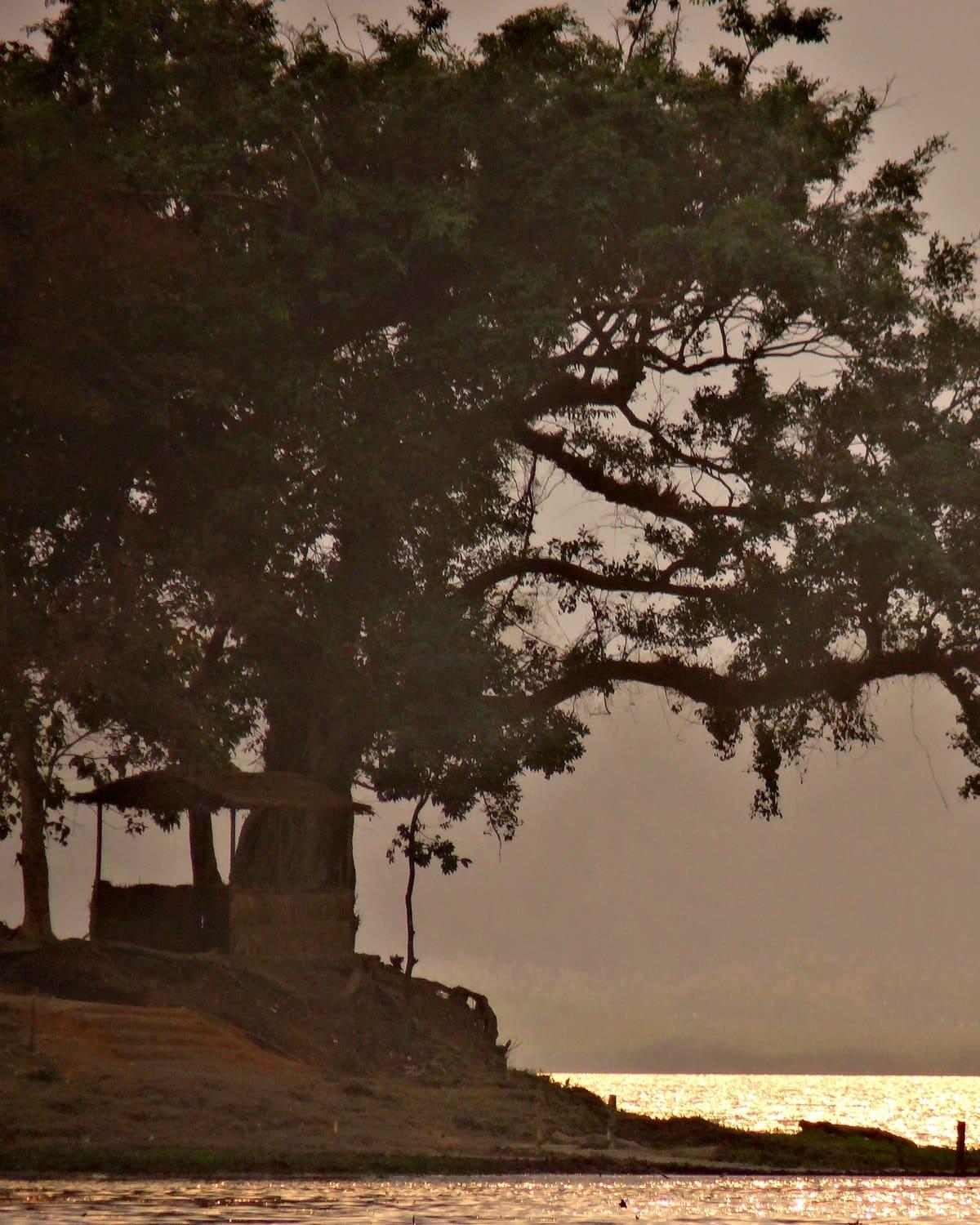
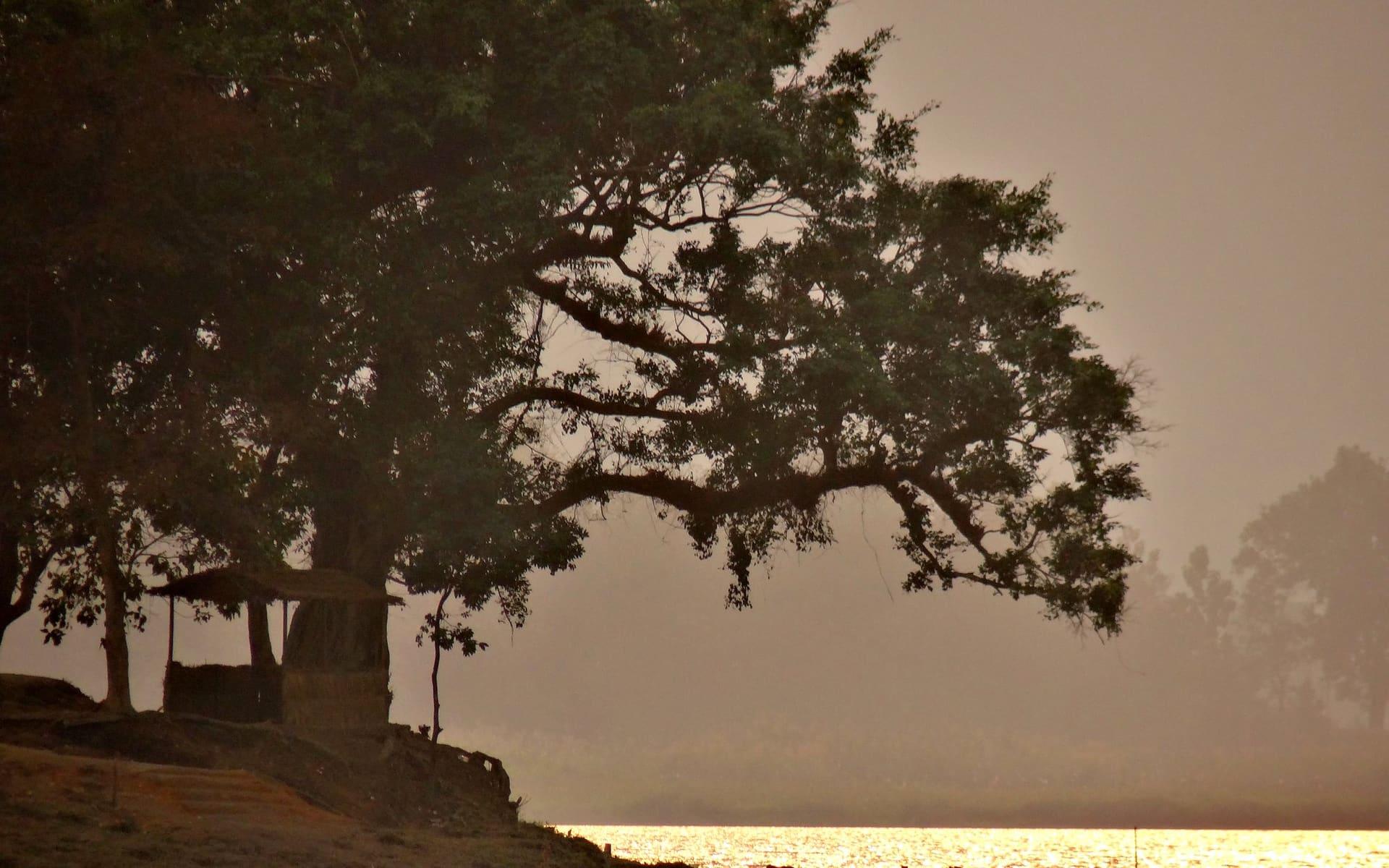
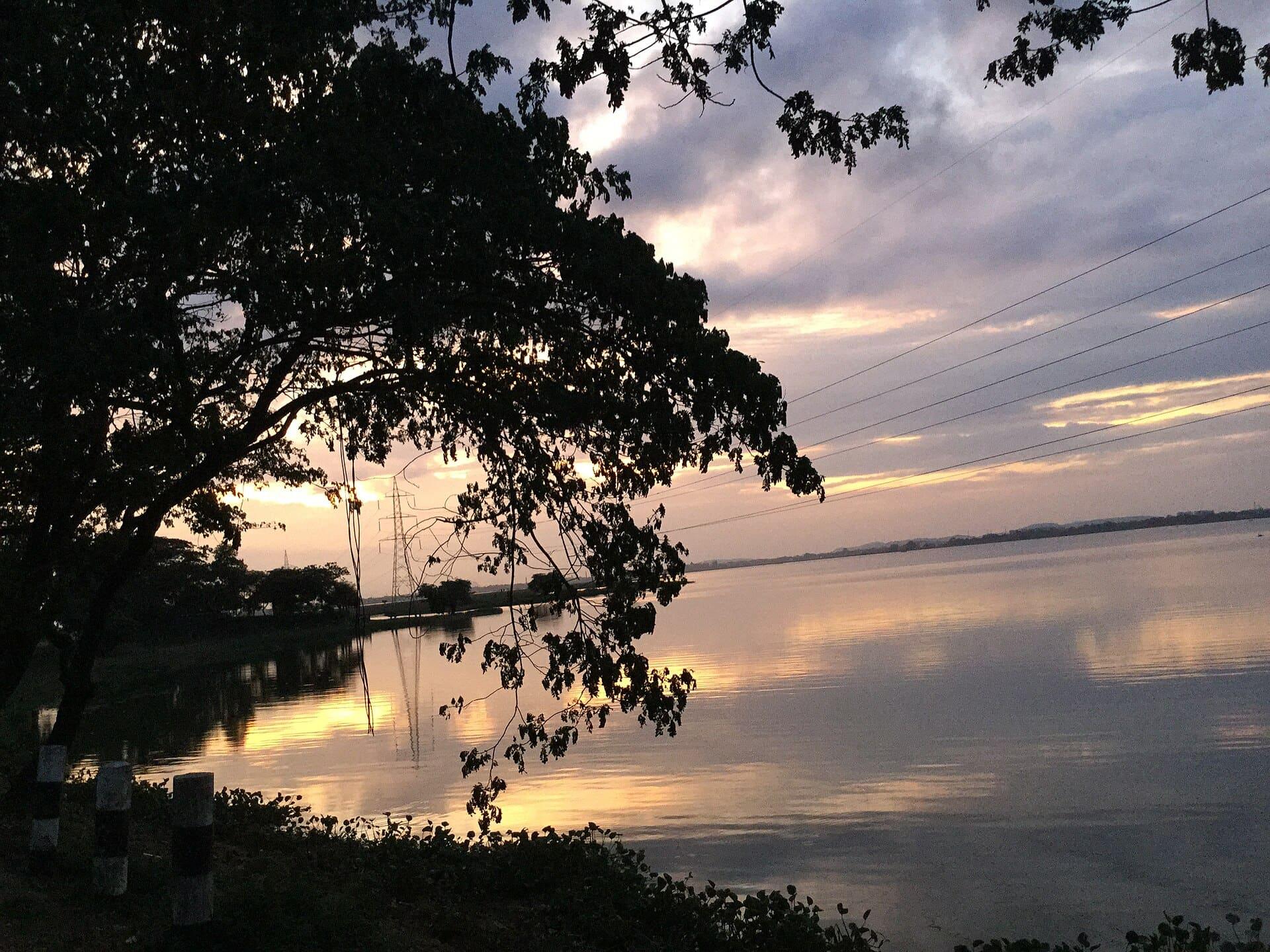
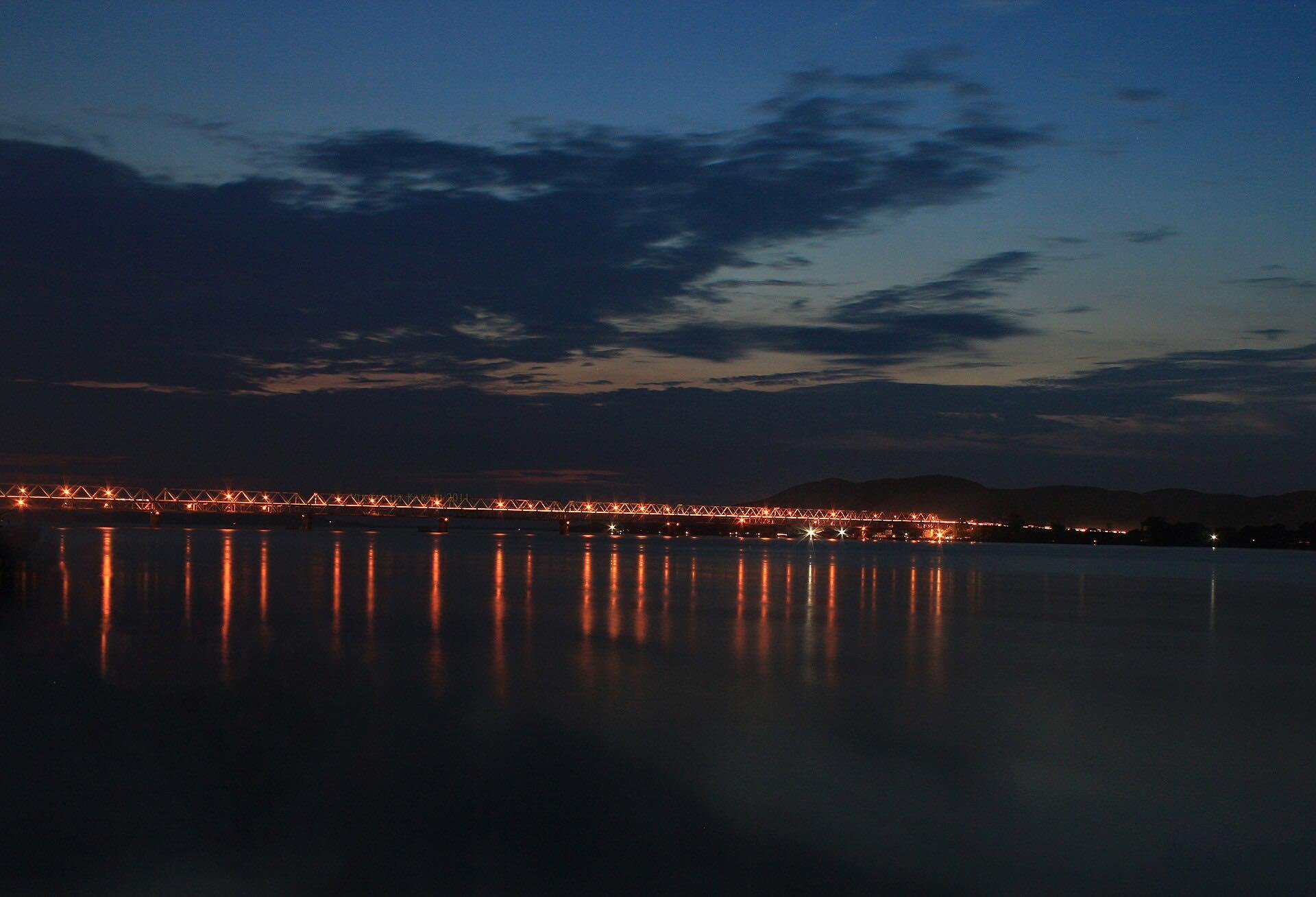
The Brahmaputra is not a river in the way most Indian rivers are rivers - it is braided, it is kilometres wide in places, it changes its own course, and it is one of very few rivers in the country with a male name. Standing on the bank at Fancy Bazaar at dusk is the cheapest good hour in the city.
A sunset cruise is the easy version and worth doing once. The ferry across to Umananda is the better one, because it is a working boat full of people going somewhere. If the river itself interests you, we wrote about what it actually is.
Within an hour of the city
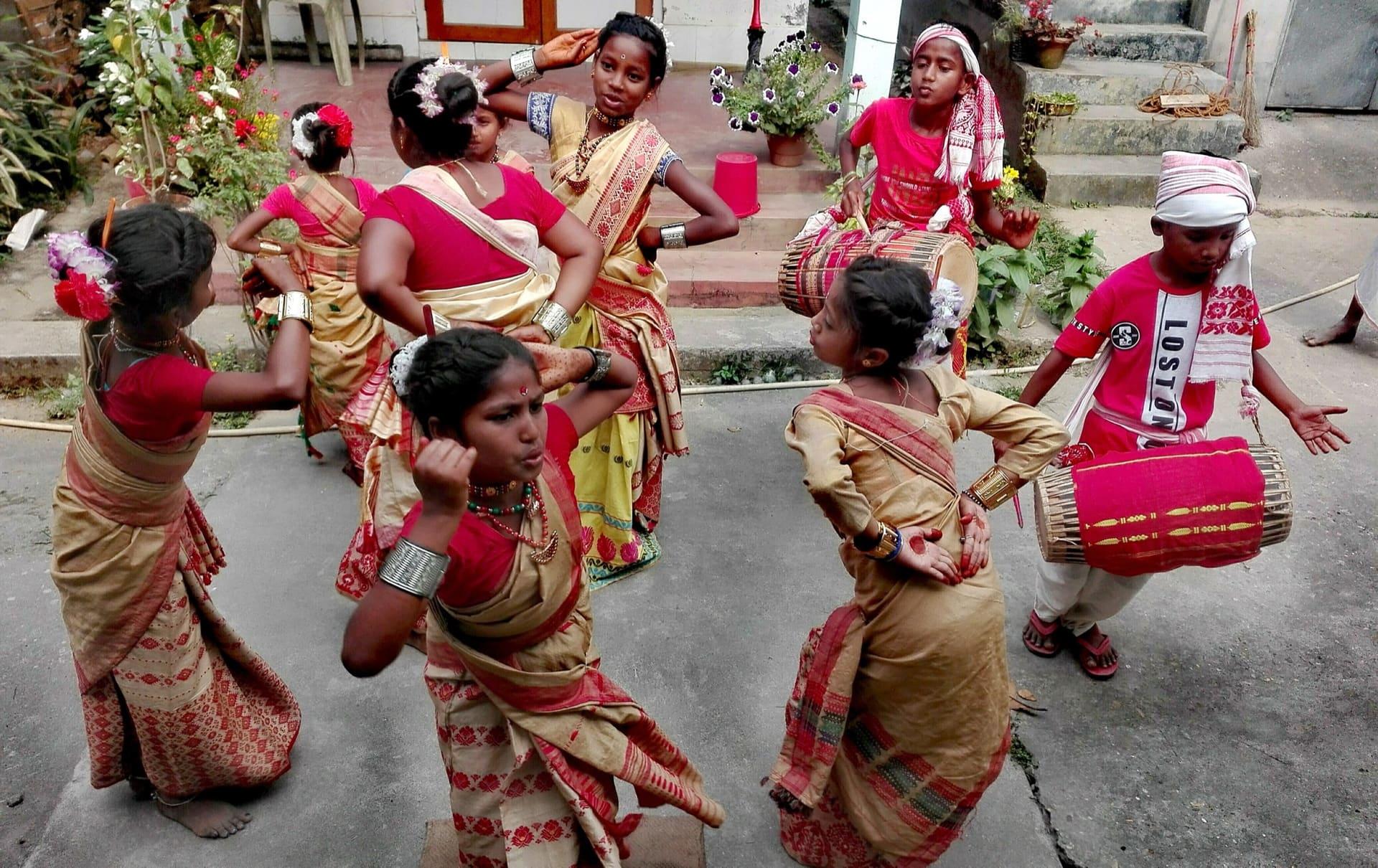
Hajo, half an hour west, is a hill that Hindus, Muslims and Buddhists all hold sacred, and have done for centuries without making a project of it. Minutes away is Sualkuchi, where the looms of a whole town weave muga and pat silk and where the mekhela chador comes from. One morning covers both.
Chandubi is a lake south-west of the city that an earthquake made in 1897, lying flat against the Meghalaya hills with Rabha villages around it. Madan Kamdev, forty kilometres north, is a scatter of tenth-century sculpture in a wood that the state has never turned into an attraction. Pobitora, to the east, has one of the densest rhino populations anywhere and can be done in a morning.
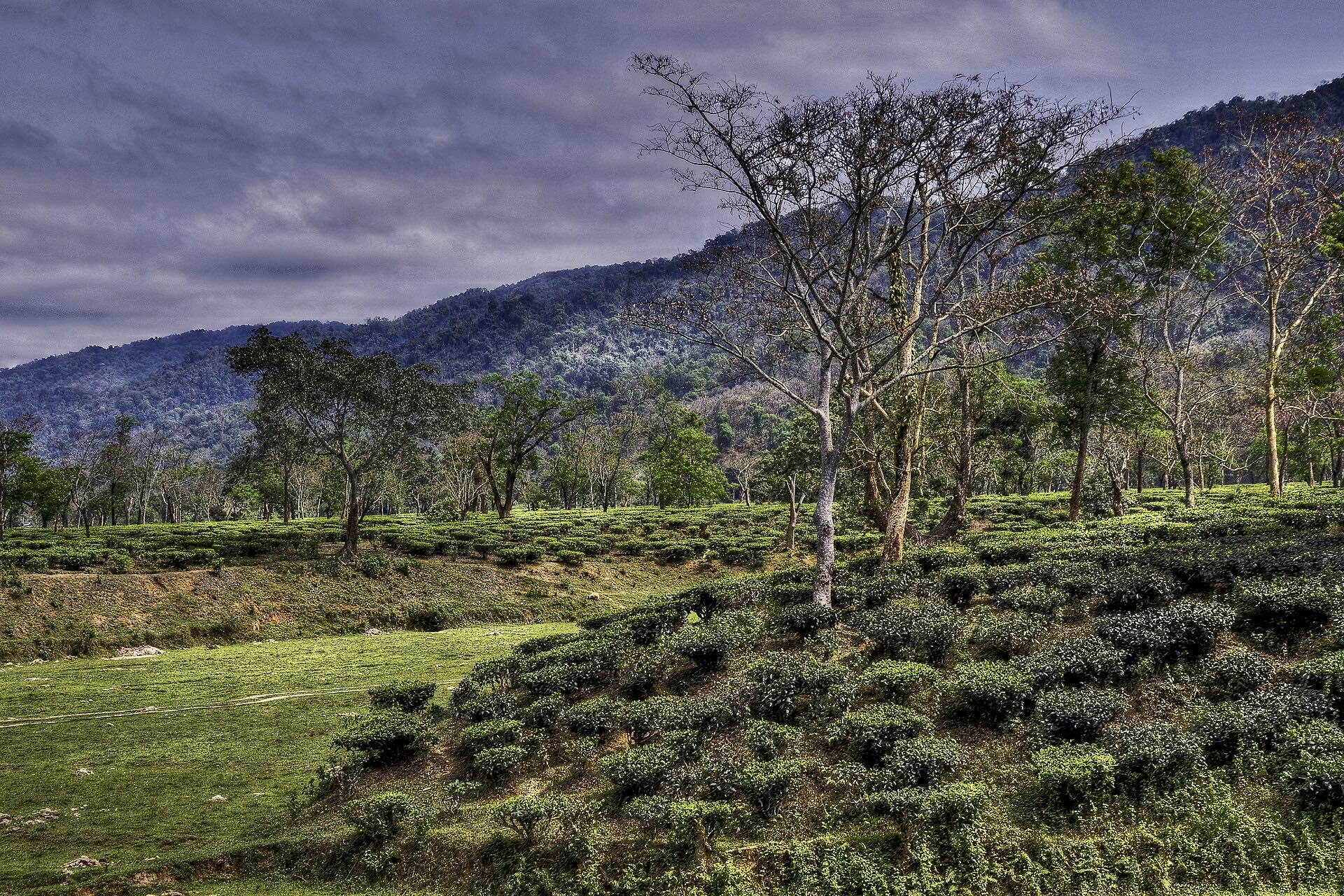
And thirty minutes east there is now a working tea estate you can walk into - plucking, the factory floor, a tasting bench - which is the single most Assamese thing available within half an hour of the airport.
Where it goes next
Guwahati is three hours below Shillong and the whole Meghalaya plateau - that road is one of the good ones. Kaziranga is four hours east. Tawang is two long days north and needs a permit before you start.
If you are still deciding when to come at all, start with the best time to visit the North East - the answer is genuinely different depending on which part of it you want.