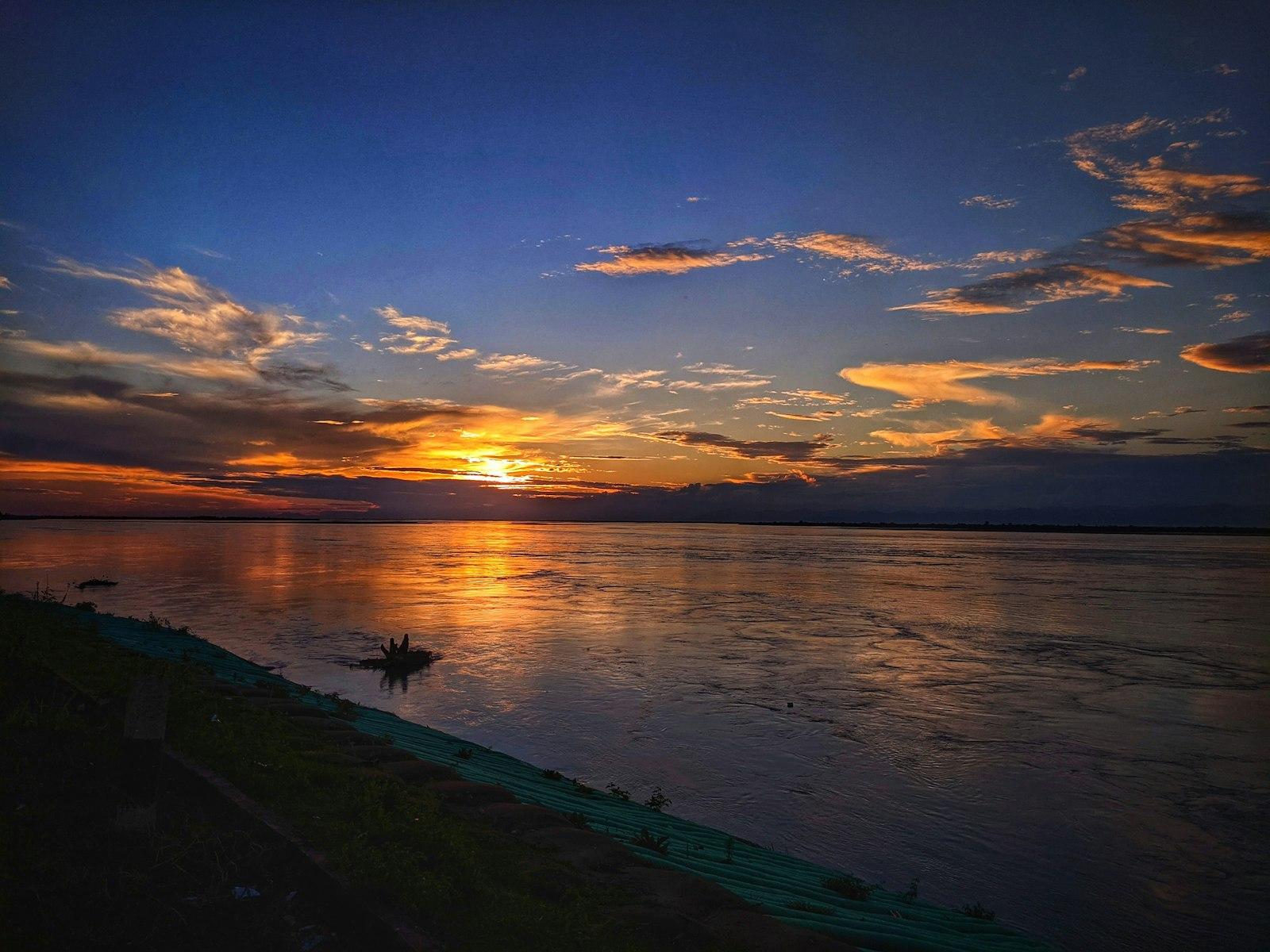
Chandubi Lake was made by an earthquake. The great Assam earthquake of 12 June 1897 dropped the ground here, and water filled the hollow.
It is a beel, a natural lake, about sixty kilometres south-west of Guwahati, where the plains lift into the Garo Hills. Ninety minutes from our office. Almost nobody goes, which is why we like sending people there.
A lake with a date of birth
On 12 June 1897 one of the largest earthquakes ever recorded in India tore through this region. It flattened Shillong, rearranged rivers across the Brahmaputra valley, and in this particular spot it dropped the ground. Water filled in behind the subsidence, and Chandubi is what was left.
It is a strange thing to stand on the bank and be told. Lakes are supposed to be older than the people looking at them. This one is younger than the railway.
What there is to do
Not much, and that is the entire proposition.
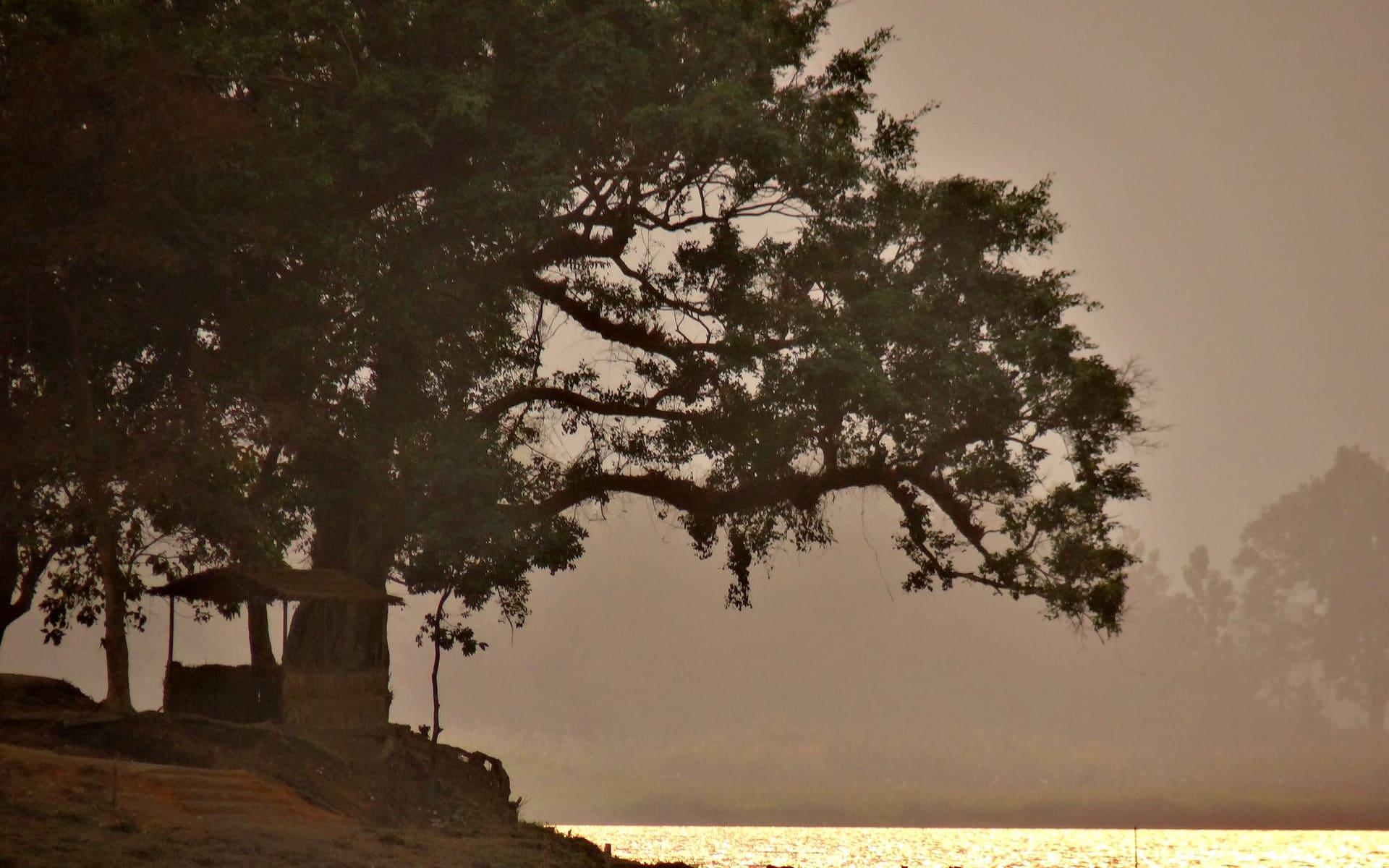
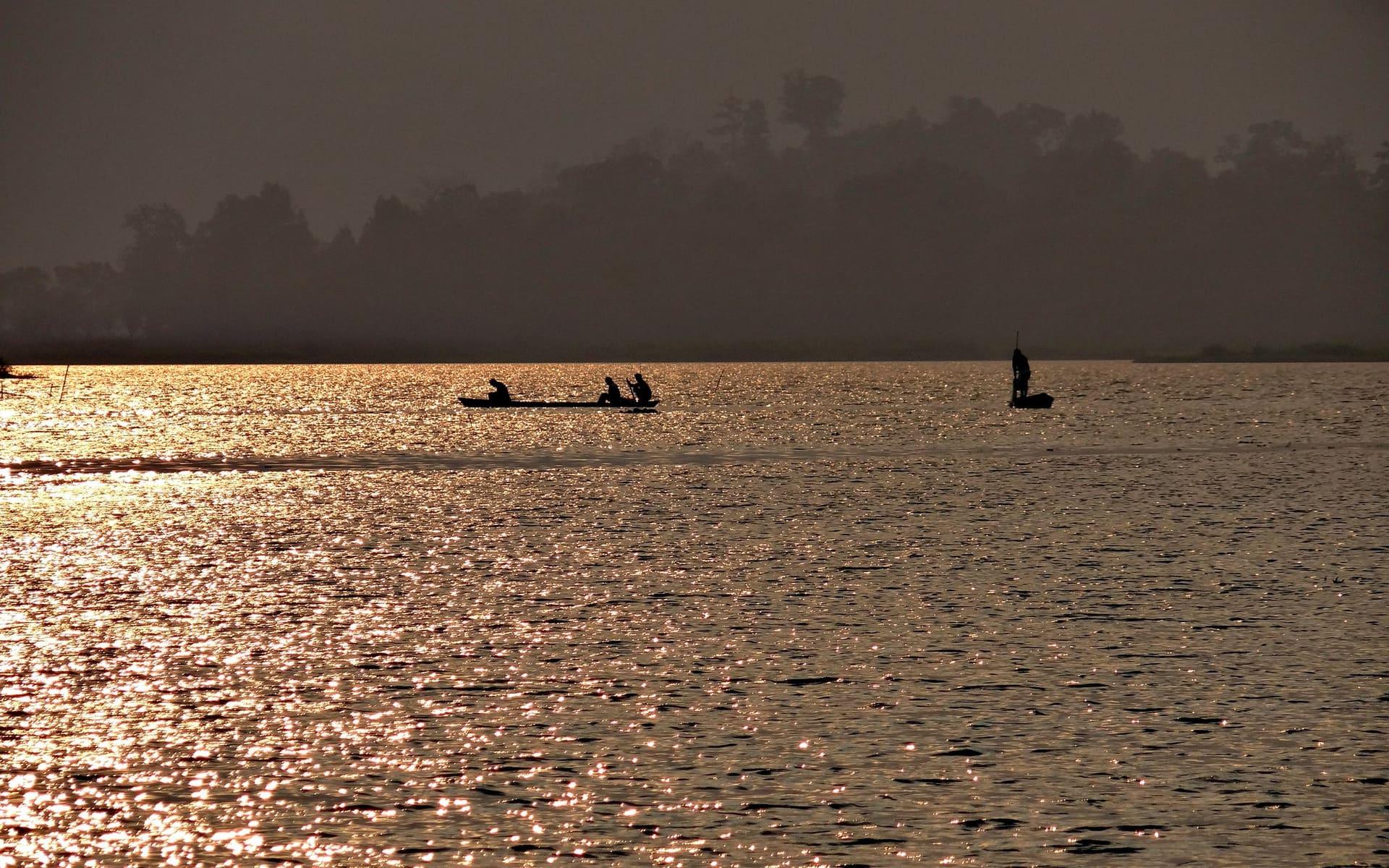
Rabha and Garo villages sit around the shore, and the fishing is still done from dugout canoes - long, low, cut from a single trunk, poled standing up. At dawn the mist sits on the water and the boats go out, and the whole thing is so quiet you can hear the pole.
There is forest on the far side. In winter the migratory birds arrive and the birdwatchers follow, in small numbers. You can take a boat out yourself. You can walk between the villages. You can sit down and do nothing at all, which most people, once they have stopped fidgeting, end up doing.
When to go
November to February. The air is clear, the mist is at its best, the birds are in, and it is cool enough to be outside all day.
Go at dawn if you go at all - that is when the boats are out and the light does the thing it does. Late afternoon is the second-best answer.
If you would rather see the place at its liveliest than its quietest, the Chandubi Festival runs on the lakeshore each January, with Rabha and Garo music, dance and food. It is the one time of year the lake is busy.
How we run it
Most people do it as a day trip: leave Guwahati early, be on the water by sunrise, back in the city for a late lunch. That works, and it is what our Chandubi day out is built around - private vehicle, a boat, and someone local to walk you through the villages.
The better version, if you have the time, is to stay the night in one of the simple cottages by the lake and have the place to yourself either side of the day-trippers. Do not expect a resort. Do expect to sleep well.
It is not the trip for someone who wants a full itinerary and a checklist. It is the trip for the day in the middle of a busy fortnight when somebody in the group says they would quite like to stop.
Tell us your dates and we will build it in.