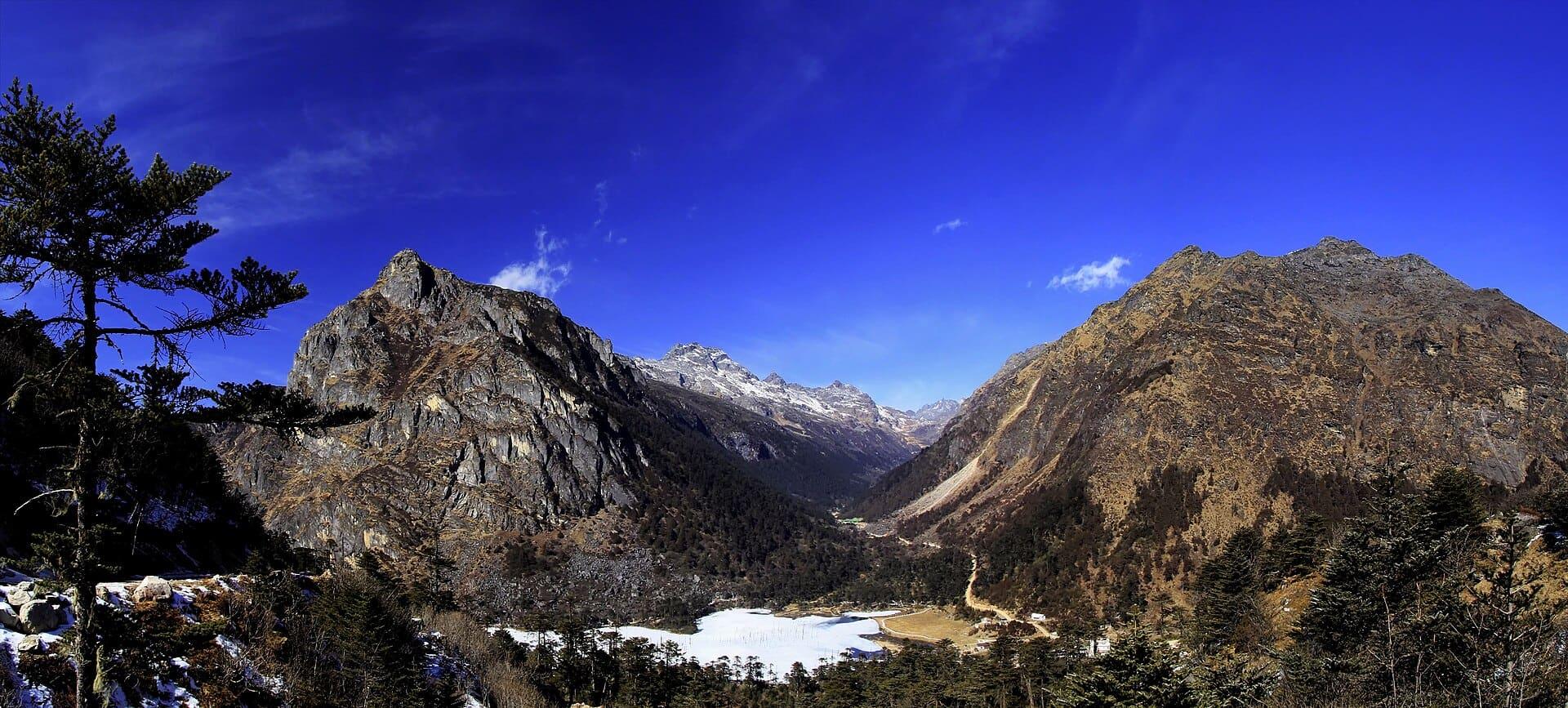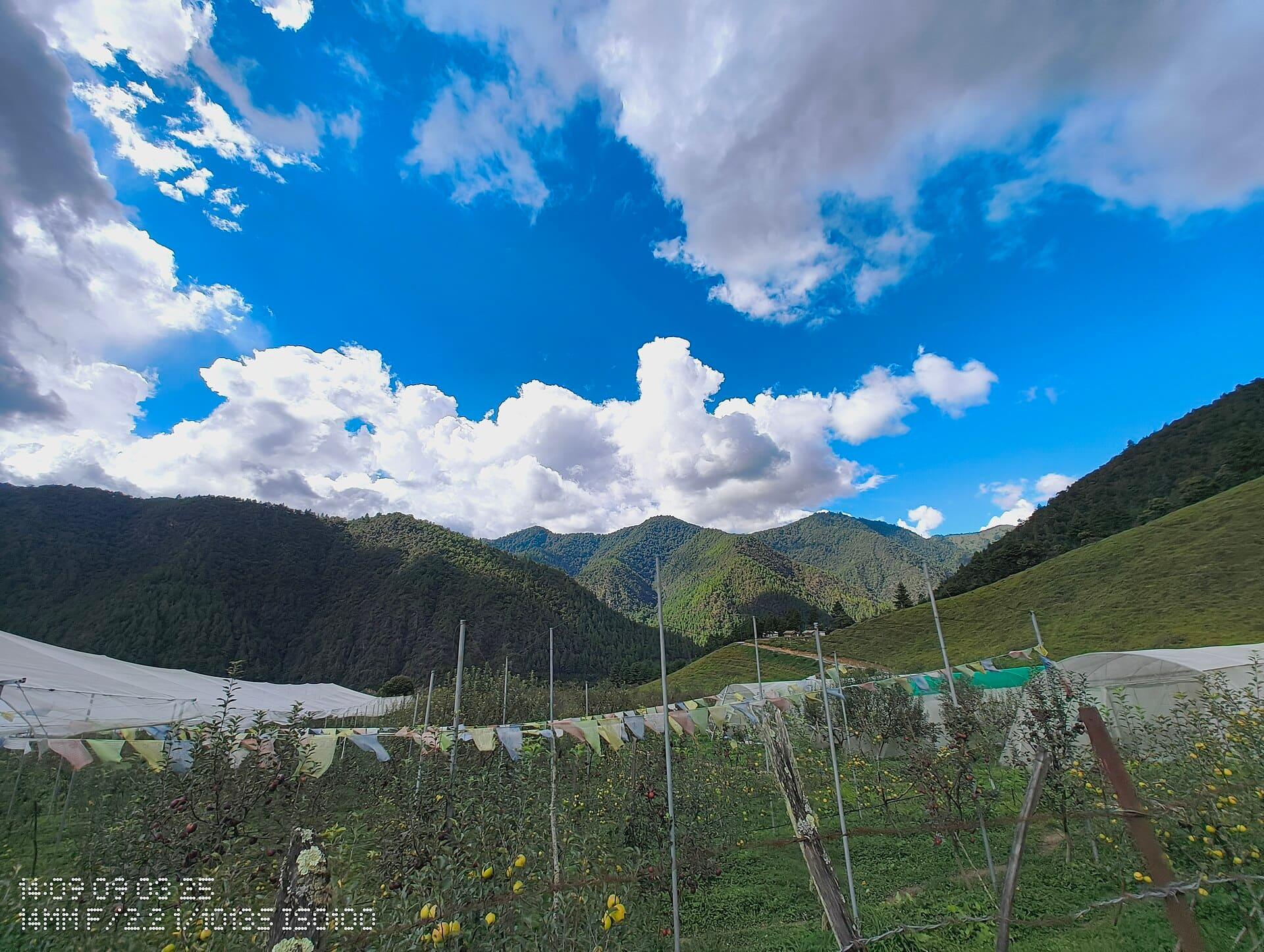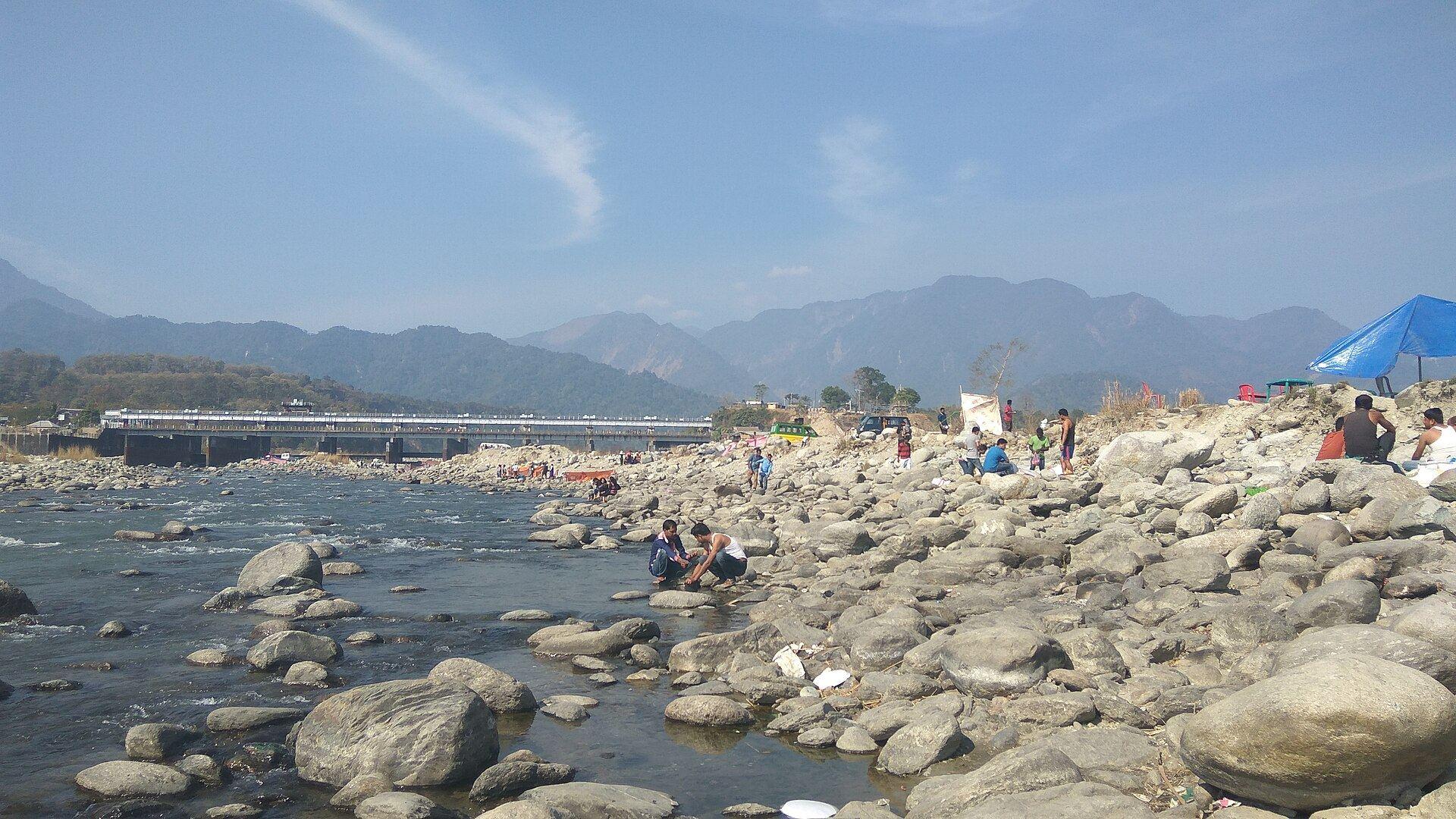
Ziro is a music festival held each September in a rice valley in Arunachal Pradesh. The stages are made of bamboo and the fields of the Apatani people lie all around.
This guide covers the festival and the valley it sits in. It also covers the 2026 edition, permits, getting there, where to stay and when to start planning for next year.
What the festival is
Bobby Hano and Anup Kutty started the festival in 2012. Kutty plays guitar in the Delhi band Menwhopause.
It has stayed small on purpose. Nobody comes for a headliner. The line-up mixes independent Indian bands, acts from across the North East and musicians from around the world.
The 2026 edition
The 13th edition was set for 24 to 27 September 2026, with more than 40 artists. Parikrama, Midival Punditz and Novo from Assam were among them. Acts came from Sri Lanka, Algeria, Nepal, the Philippines and South Korea.
Other names on the bill included Michael Dias, Yohani, Kaali Duniya, Yelhomie, Saltaire and Apoorva Krishna.
New this year was Cosmos, an open space for jam sessions. Apatani artists ran workshops on the paddy flute and on pottery.
The venue was the festival ground at Biiri, in Ziro. Music ran from 11:30 am to 8 pm each day.
Ziro 2027: what we know
The 2027 dates were not out when we wrote this in October 2026. Expect late September again.
Tickets for 2026 started at ₹3,700, according to Outlook Traveller. Check the festival's own channels for the 2027 price.
We will update this page when the dates are announced. If you want to go, it is worth planning now, before they are.
Built from bamboo
Apatani craftsmen build the stages from local bamboo and wood. There are no giant screens and no fireworks.
The festival runs a zero-plastic policy. Drinks come in bamboo cups and food on plates that rot away. It is held on community land.
The valley is the venue
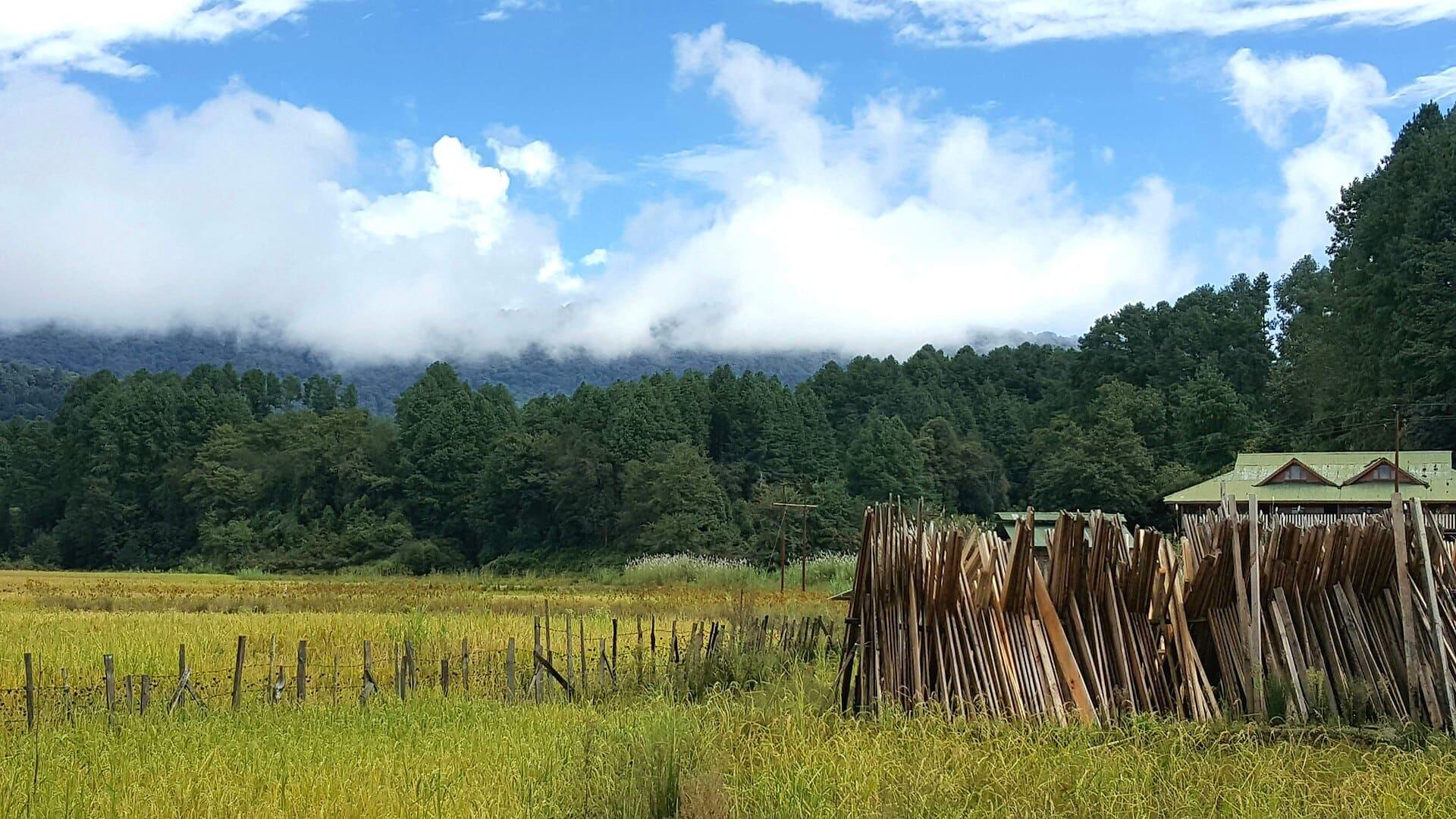
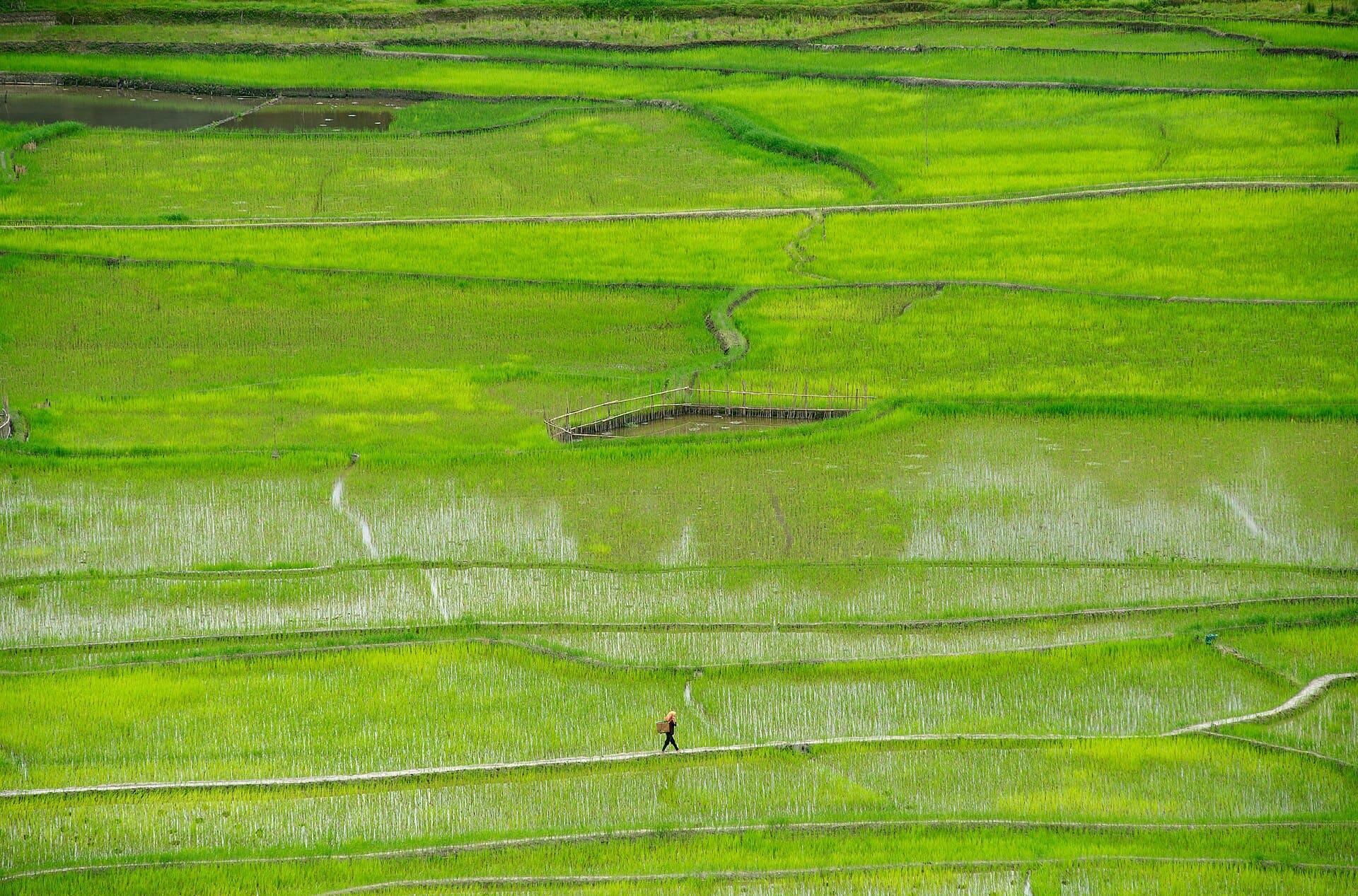
Ziro is Apatani country. The Apatani grow rice and fish together in the same flooded fields. Millet grows on the ridges between them.
That way of farming put the Apatani valley on UNESCO's tentative list of World Heritage Sites in 2014. Between sets, walk out into the fields or up to Hong or Hija village.
They farm without a plough. Water moves through the valley in channels that the villages manage by hand. The forest around the edge is kept, not cleared.
Go to the festival, and you stand in the middle of a working farm. The UNESCO nomination is for that farm as a living system.
Permits
This is Arunachal, so Indian visitors need an Inner Line Permit. Foreign nationals need a Protected Area Permit. Without one you will be turned back at the checkpost.
An ILP is issued for the districts you name. Ziro is in Lower Subansiri district, so make sure it is on yours, along with any district you cross or visit.
Apply well before festival week. A permit usually takes a day or two, but the queue grows around festivals.
Getting there
The nearest airport is Donyi Polo at Hollongi, near Itanagar, which opened in November 2022. Lilabari in Assam is the other choice. Both are about 100 km from Ziro.
By train, go to Naharlagun. From there it is about three hours to Ziro by shared taxi. From Itanagar the drive takes three to four hours.
Hill roads in September can be slow after rain. Do not plan to land and reach the festival the same evening.
What to expect
September in Ziro is the tail of the monsoon. It is green and cool, and it rains at some point most days. Bring a rain shell and shoes you do not mind ruining.
Nights get cold. Pack a warm layer, even if you are flying in from the plains.
The phone network is patchy in the valley. Carry some cash.
Where to stay
Beds are homestays, guesthouses and the festival's own camping at the grounds. The valley does not have many, and they go early.
A homestay in an Apatani village gives you the valley as well as the music. Camping puts you closest to the stages.
Most shops and guesthouses are in Hapoli, the main town in the valley. Hong and Hija are the villages to look at for a homestay.
If Ziro is the plan, talk to us by March or April. That is the difference between a bed and a tent.
A day at the festival
Days start late and end early by festival standards. In 2026 the music ran from 11:30 am to 8 pm.
Mornings are for the valley. Walk the fields, eat a slow breakfast at your homestay, then head to the ground at midday.
Between sets there are food stalls, craft stalls and the workshops. After 8 pm the valley goes quiet, and the cold comes down fast.
What it costs
The festival ticket is the fixed cost. In 2026 it started at ₹3,700, according to Outlook Traveller.
On top of that come your travel to the North East, a ride into the hills and your bed. Homestays and camping cost less than hotels, and there are few hotels anyway.
Your ILP has a small government fee. We quote it at actuals.
Who it suits
Ziro suits people who like live music, the outdoors and a little mud. It is not a festival for luxury.
Families with older children can manage it. The music ends by 8 pm, so nights are for sleep.
If rain, cold nights and basic rooms put you off, come to Ziro in another month instead. The valley is just as good.
How many days
Give the festival itself three or four days. Add a day each side for the journey in and out.
If you can, stay two nights after the music ends. The valley is calm again, and the villages are easier to walk.
Ziro outside festival week
The valley is worth the trip without the music. In late March the Apatani hold Myoko, their spring festival. On 5 July they hold Dree, a prayer for a good harvest.
Our Ziro valley stay covers two nights with an Apatani homestay, village walks, the ILP and transport. It is indicative from ₹11,000 per person for the two nights.
Manners in the valley
The festival sits on community land, and the fields around it are working farms. Keep to the bunds and paths when you walk.
Ask before you photograph people in the villages, and take your rubbish out with you. The zero-plastic rule is the festival's pride.
Quick answers
When is the Ziro Festival? Four days in late September. In 2026 it was set for 24 to 27 September.
Do I need a permit? Yes. Indian visitors need an Arunachal Inner Line Permit. Foreign nationals need a Protected Area Permit.
Can I just turn up? You can buy a ticket, but beds are the problem. Book where you will sleep months ahead.
How do I get there? Fly to Hollongi or Lilabari, or take a train to Naharlagun. Then drive up into the hills. From Guwahati, allow a full day.
When should I book? By March or April, if you want a bed rather than a tent.
Plan your trip
Add a few days in Ziro valley itself, or go on to Mechuka. Read about the region's rock music and its concert season.
See our festival calendar for the whole year. Or tell us your dates and we will reply within 24 hours.