In January 2025 The New York Times published its annual 52 Places to Go. Assam was number four. Ahead of Greenland, ahead of Sydney, ahead of the Thai beaches everyone was booking off the back of The White Lotus. Only Jane Austen's England, the Galapagos Islands and the museums of New York City were placed above it.
For a state that most international visitors could not reliably find on a map, that is an extraordinary sentence. It is also the single most useful thing that has ever happened to tourism in the North East, and we still meet people here who have no idea it happened.
But the interesting question is not that Assam made the list. It is why it landed so high. And the honest answer is better than the one you would guess.
First, what the list is actually measuring
It is not a beauty contest. The Times is not ranking the world's prettiest places, and if it were, Assam would be competing against the Galapagos on terms nobody wins.
What the list asks is narrower and much more practical: why go here this particular year, as opposed to any other? Every entry is chosen because something has changed - an opening, an anniversary, a restoration, a new way in. The editors sift a few hundred pitches from travel writers and keep the ones with a reason attached to the calendar.
So "why is Assam fourth" has a real answer, and it is not that a panel scored it. It is that in the eighteen months before that list went out, three concrete things changed here at once. Very few places on Earth could say the same that year.
Reason one: Assam got a UNESCO World Heritage Site
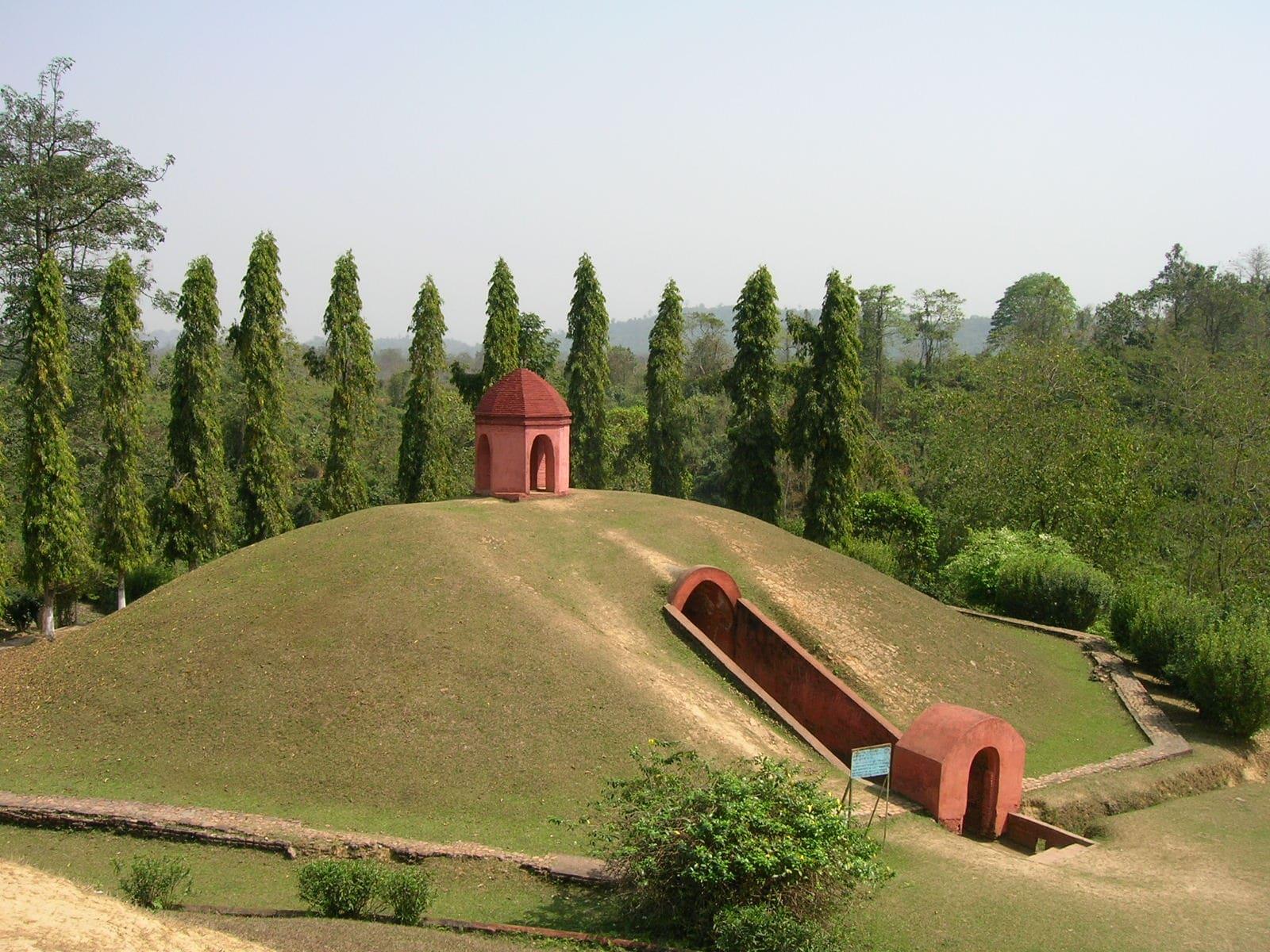
On 26 July 2024, the Moidams of Charaideo were inscribed on the UNESCO World Heritage List. India's forty-third site - and the first World Heritage Site anywhere in the North East to be listed for culture rather than nature.
That distinction matters more than it sounds. Assam already had two World Heritage Sites, Kaziranga and Manas, both listed back in 1985 and both listed for their wildlife. The region's landscapes and animals had been recognised for forty years. Its human history had not. Charaideo is the first time the world's heritage body pointed at something people here built.
The moidams are the burial mounds of the Ahom dynasty, which ruled Assam for close to six hundred years from the thirteenth century - one of the longest unbroken runs of any dynasty in India. Kings, queens and nobles were raised under vaulted brick chambers and covered with earth. They are routinely called the pyramids of Assam, which undersells them slightly: the pyramids are a tomb, and a moidam is a house. The name means something close to home for the spirit.
Reason two: the tea gardens became somewhere you can sleep
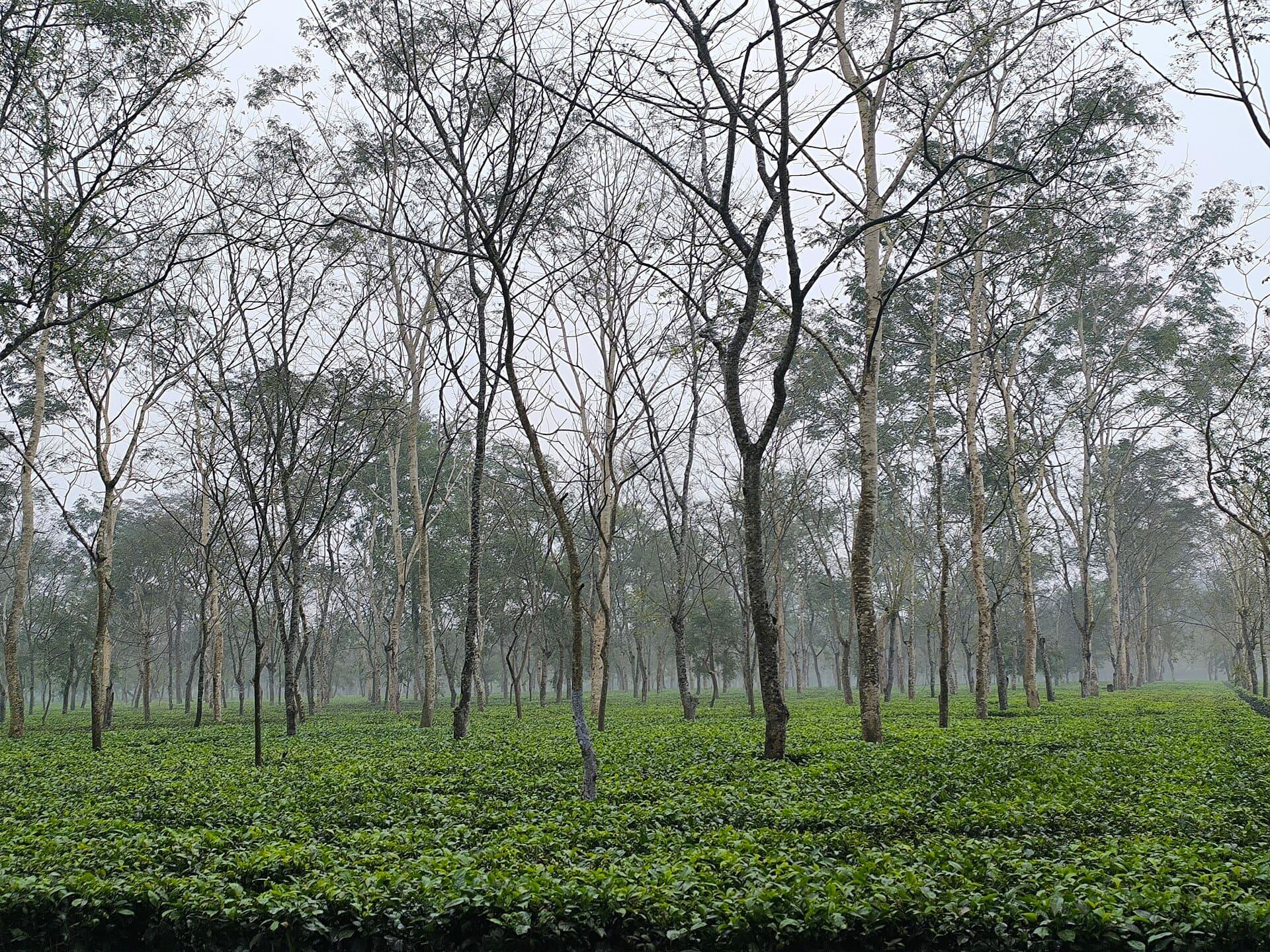
The Times described Assam as a land of green tea plantations and vibrant culture, and the tea is the image everybody already had. Endless flat green, women picking with baskets on their backs, mist sitting on it at seven in the morning. Assam has had that for two hundred years. Scenery is not news.
What changed is that the tea estates started letting people in. The planters' bungalows - colonial-era houses built for estate managers, standing in the middle of working gardens with verandas the length of a cricket pitch - have been converting into heritage stays. Some by the state tourism corporation, some by private hotel groups.
That is the difference between a view from a car window and a product you can book. You wake up inside a working tea estate, walk out into the section being plucked that morning, and taste the day's leaf in the factory before it is graded. It turns Assam's most photographed thing into a reason to stay three nights instead of driving past.
It is the backbone of our own Assam Heritage Trail, which is built around exactly these houses.
Reason three: getting here stopped being the hard part
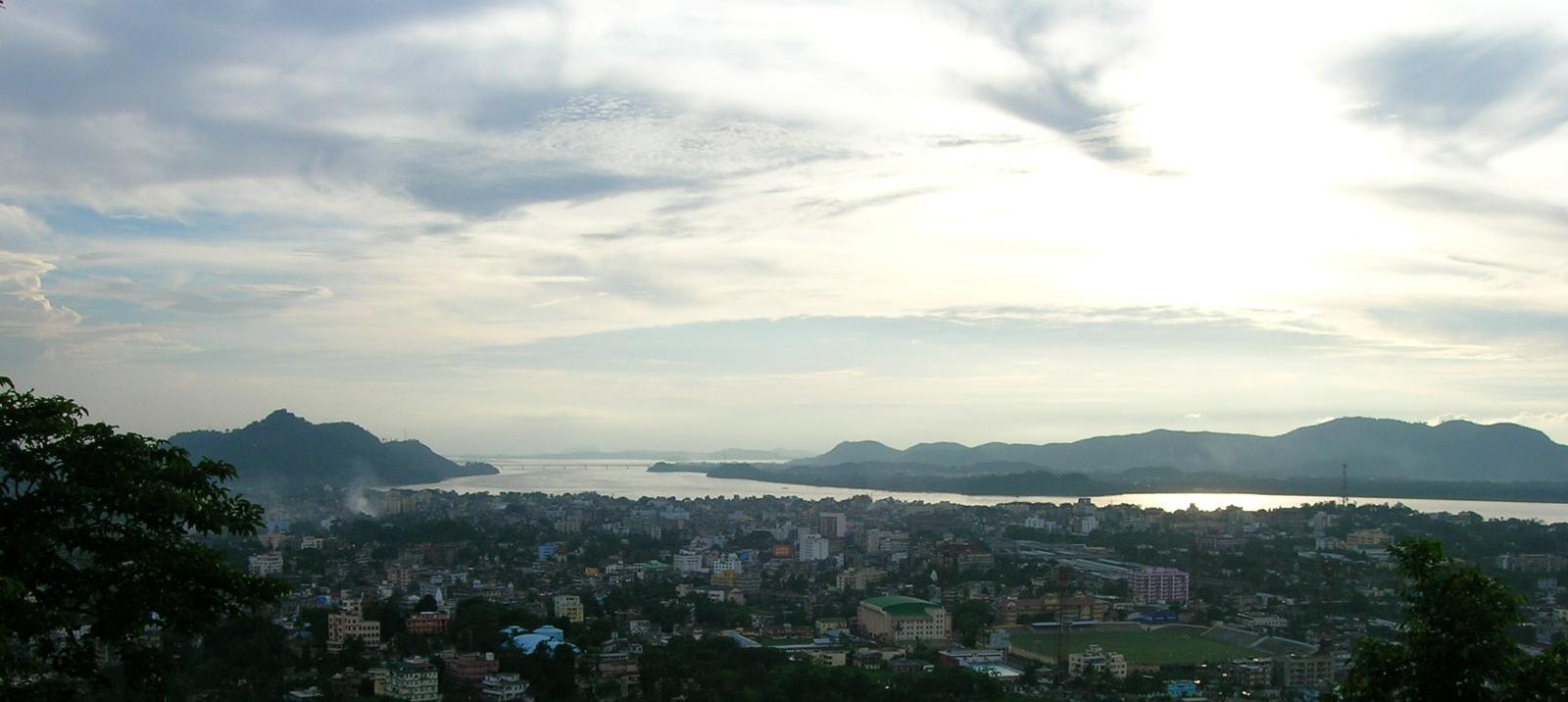
The third reason was the least romantic and probably the most decisive. The Times noted that Guwahati's airport was being expanded, and treated it as a promise about the year ahead.
Here is the part the 2025 list could not tell you: it has since happened. The new terminal at Lokpriya Gopinath Bordoloi International was inaugurated in December 2025 and began commercial operations on 22 February 2026, taking the airport to around 13.1 million passengers a year and making it the largest terminal in the North East. Airlines moved across to it in stages through 2026.
Connectivity is the whole game in this region. Almost every North East itinerary starts and ends in Guwahati, and for years the bottleneck was not what there was to see but how awkward it was to reach and how little of it you could reach afterwards. That constraint is loosening.
What the list did not have room for
Fifty-two places in one article means a couple of hundred words each, so the entry named the headlines and moved on. The things that actually make people fall for this state were not in it.
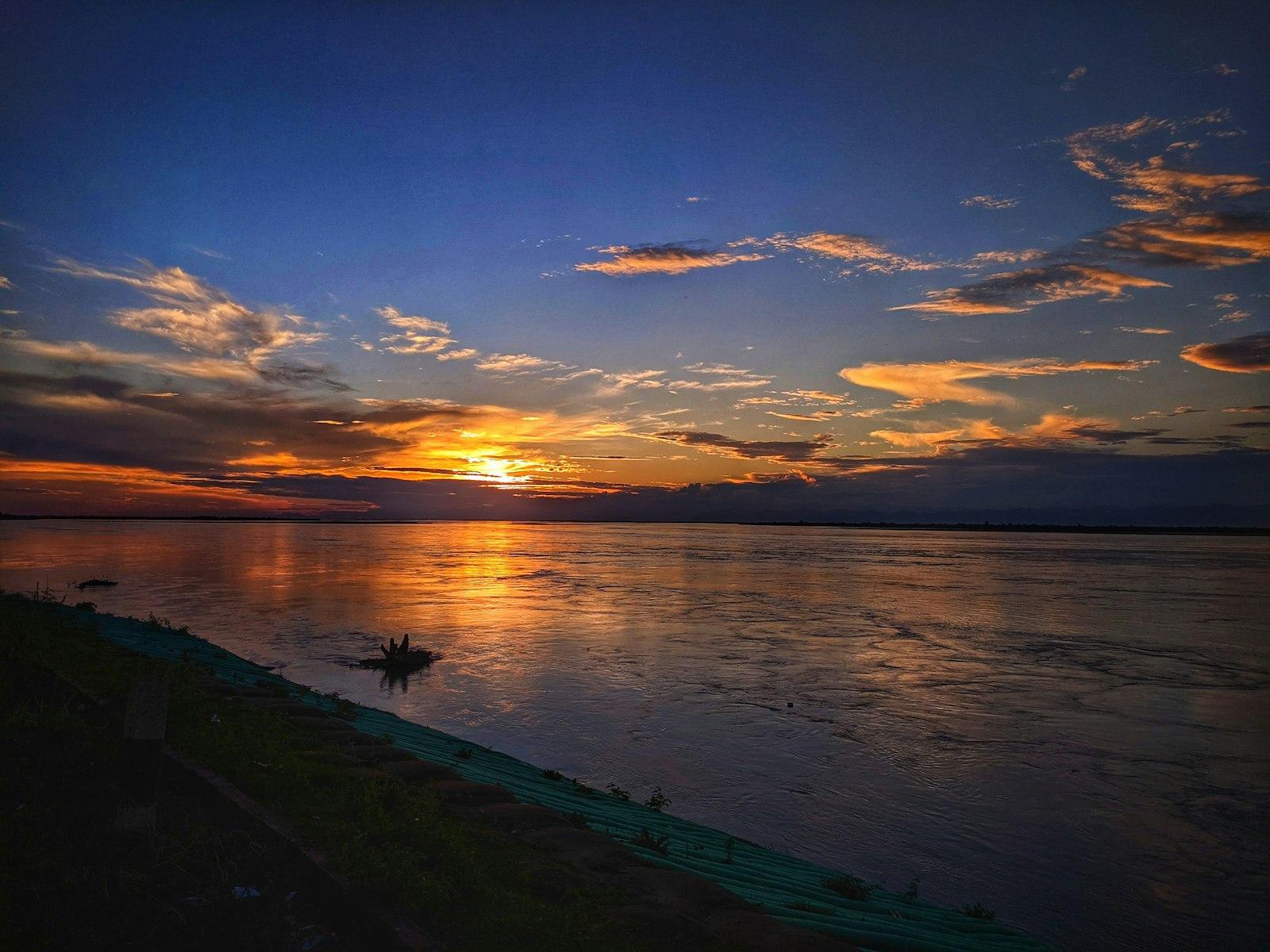
Kaziranga holds roughly two-thirds of every greater one-horned rhino alive, and seeing one at forty feet from an elephant's back rearranges your morning. Majuli is one of the largest river islands in the world, a monastery culture five centuries old, and it is eroding as you read this. The Brahmaputra is not really a river so much as a moving inland sea. Sualkuchi weaves silk on handlooms in nearly every house on the street.
None of that changed in 2024. That is precisely why it was not the story - and precisely why it is still here.
And no, Assam is not on the 2026 list
Worth saying plainly, because we would rather you heard it here. The 52 Places list refreshes completely every January. Assam was not on the 2026 edition; the only Indian entry that year was Bandhavgarh.
That is not a demotion and it does not mean anything went backwards. A place earns its slot by having changed recently, so by design nobody holds the title. If anything the position is stronger now than it was in January 2025, because the three things that got Assam onto the list have gone from promised to finished. The UNESCO plaque is up. The bungalows are taking bookings. The terminal is open.
The window the Times was pointing at is the one between a place being recognised and a place being crowded. Assam is still in it. That does not last.
If you want to go
Start with when - October to April is the do-everything window, and the tea gardens are at their best in the winter light. Assam needs no special permit for Indian or foreign passports, unlike some of its neighbours; the permits guide covers where that changes.
Then talk to us. We are based in Guwahati, we sell this region because we are from it, and the whole North East hub is our answer to the question the Times only had two hundred words for. Or just tell us what you are thinking and we will come back with something shaped around it.