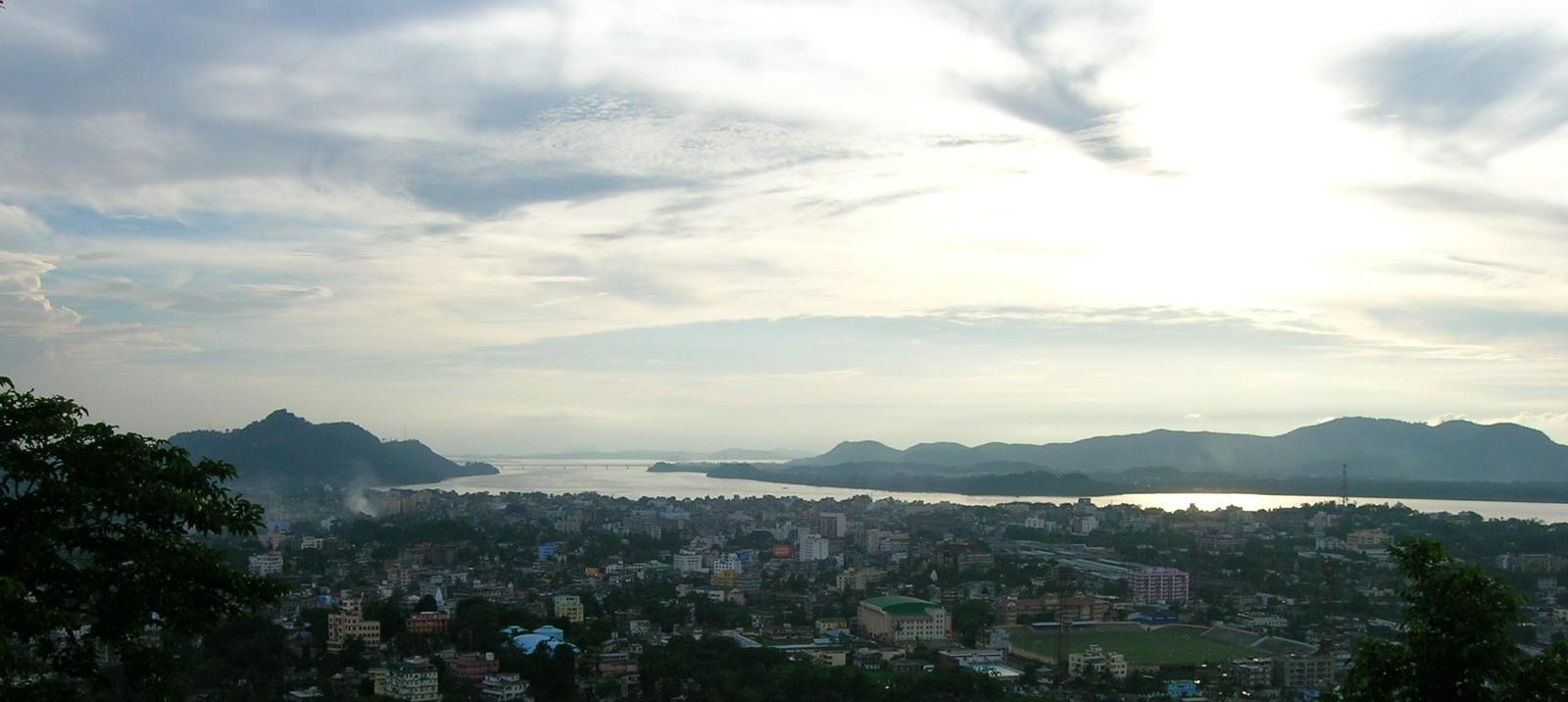
Majuli does not feel like an island. It feels like the river changed its mind halfway through being a river, and decided to grow rice fields instead. People call it the largest river island in the world, but that fact tells you nothing about being there.
Here is something closer to the truth. The island is smaller than it was last year. It will be smaller again next year. Everyone here knows this, and nobody says it like it's sad. They just build the next house a little further from the water.
I went in January, for two days. I came back wanting to write down everything before I forgot it: the satras, the mask makers, the villages on stilts, the food. So consider this that write-up, a guide from someone who has walked it, to an island that is quietly disappearing while it teaches you how to be still.
Getting there
I went by bus. It took a little under six hours out of Guwahati, though if you're driving yourself, plan for closer to seven. There's also a train, the Jan Shatabdi, a shade under seven hours to Jorhat. However you go, Jorhat isn't the destination, just the last town before the water.
From Jorhat, it's fourteen kilometres to Nimati Ghat, where the road runs out and the river takes over. The ghat itself is worth slowing down for: wide, unhurried, boats loading and unloading in no particular rush. Sailings run through the day, roughly every hour from half past eight to half past three. Buy a ticket, find a spot on the deck, and wait.
The crossing takes an hour, ninety minutes if the current is stubborn. Somewhere in that hour, Jorhat disappears behind you and something else begins. You land at Kamalabari Ghat, and this is Majuli, or what's left of it.
The island has lost close to a third of its land since the 1790s, and more than thirty-five villages since 1991. Nobody here needs a scientist to explain it. They can see it happening from their own front door.
Enter a satra, and everything slows down
A local taxi took me from the ghat to my homestay, Yggdrasil Bamboo Cottage, and from there I rented a scooter. Most homestays on the island offer this if you ask, and it's easier than going out to hunt for one separately. Get a scooter if you can. The island is bigger than it looks, and a bicycle will turn your holiday into a cardio session.
Majuli is an island of satras, Vaishnavite monasteries, some of them five hundred years old. Walk through the gate of one, and you feel it before you understand it. Something in you slows down. No rush, no honking, nobody checking the time.
The monks just move at their own pace: dance, prayer, craft, whatever their teachers say the day is for. It is the opposite of everything a city trains you to be, and it stays with you longer than any photograph.
There were once sixty-five satras on this island. Only twenty-two are left, the rest lost or moved inland, for the same reason the island itself keeps shrinking. You can't see all twenty-two in two days, so here is how I would split them if you are short on time.
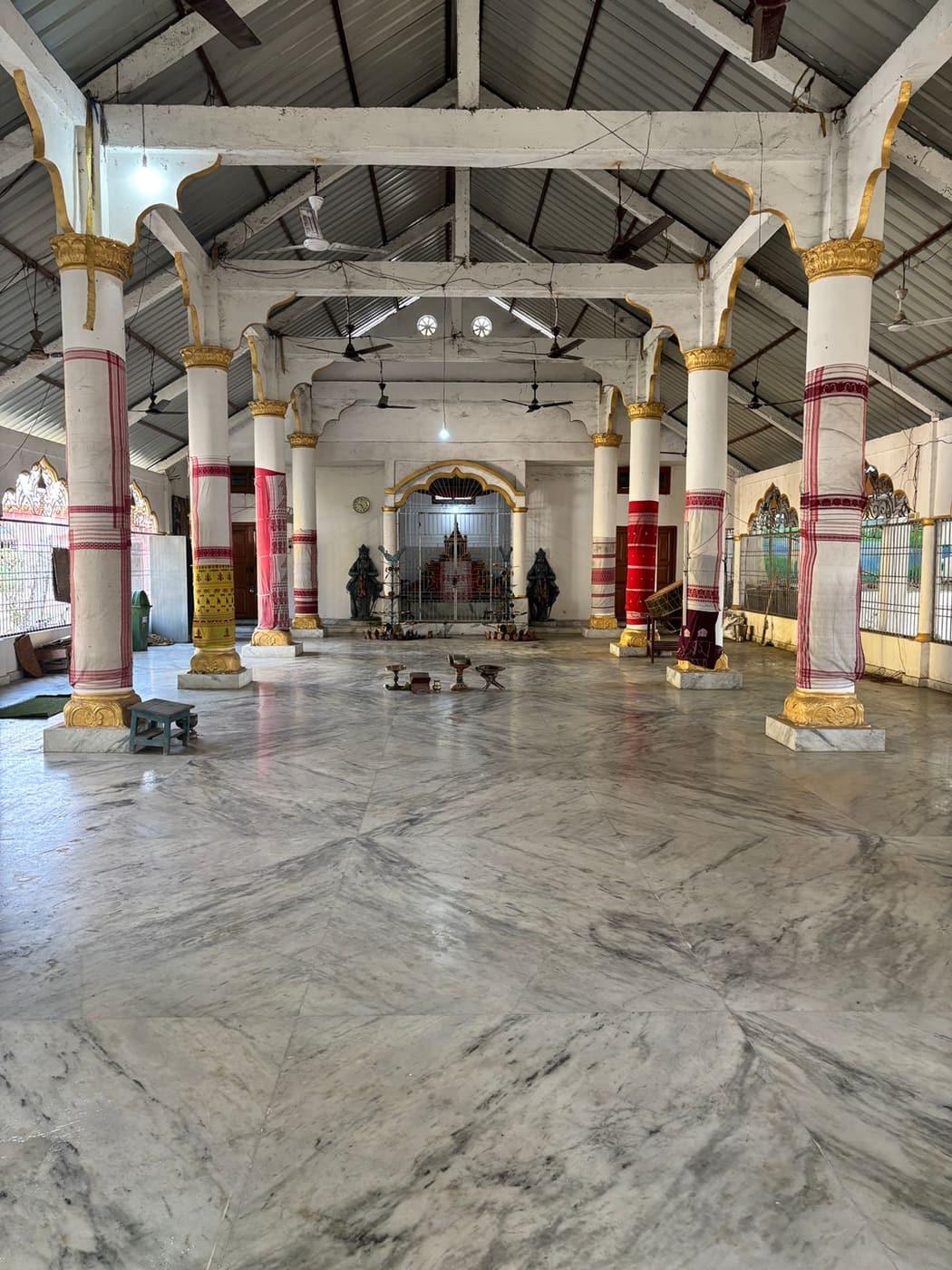
For history, Auniati Satra. It has a real museum inside: more than 300 manuscripts, old garments, and in one corner, an enormous, ancient piece of wood that nobody could fully explain to me, only that it had always been there.
For the unexpected, Garamur Satra, a royal satra that still keeps medieval weapons, including a heavy cannon called the Bortop. And if you only have time for one, make it Kamalabari, for the boats.
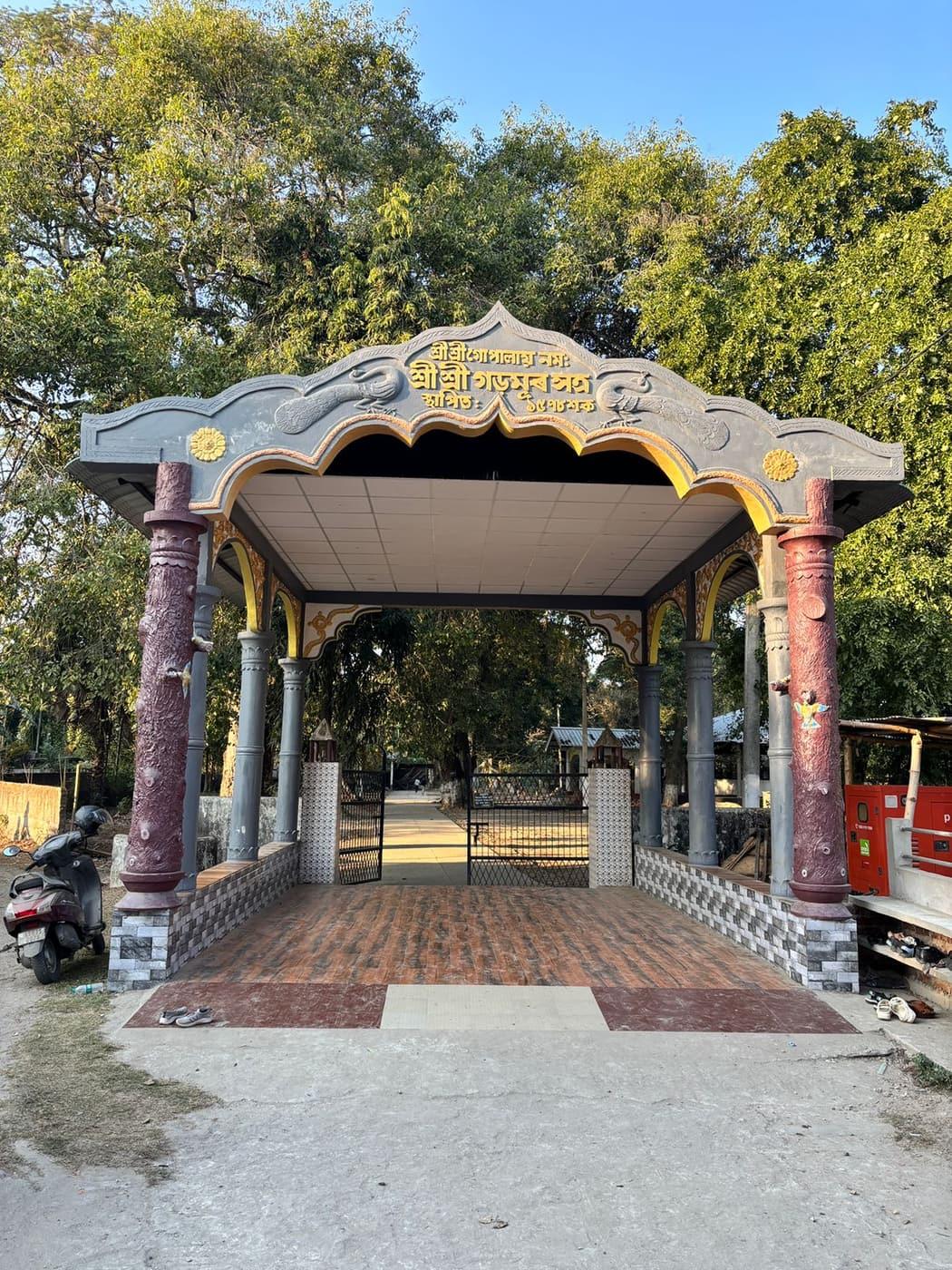
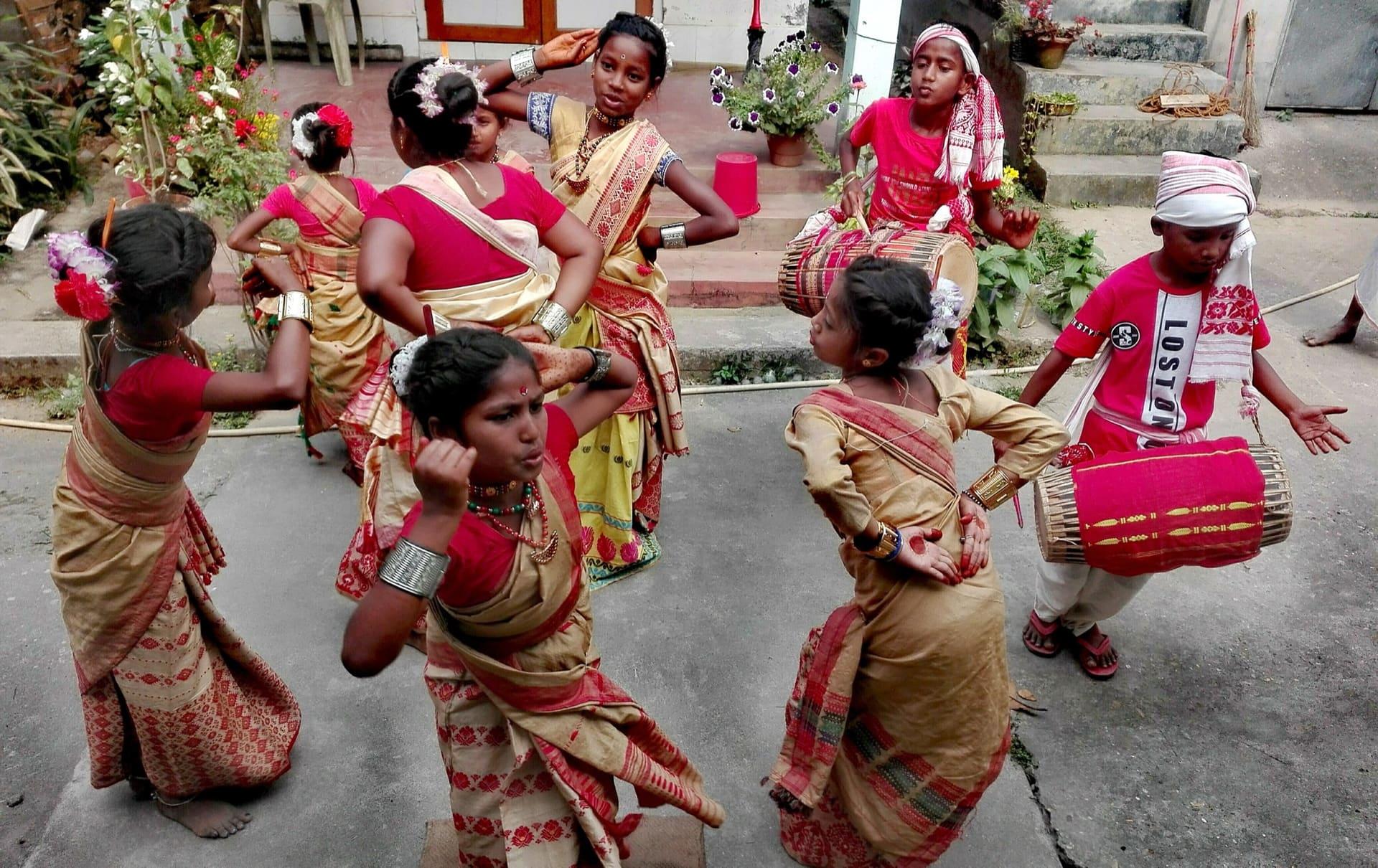
I went to Kamalabari Satra that day. The disciples were practicing. I couldn't tell you exactly what, only that it looked like devotion with rhythm to it.
By evening, the sightseeing was done, so I got on the scooter and rode down to the ghat, the way you would if you actually lived there. The river was calling.
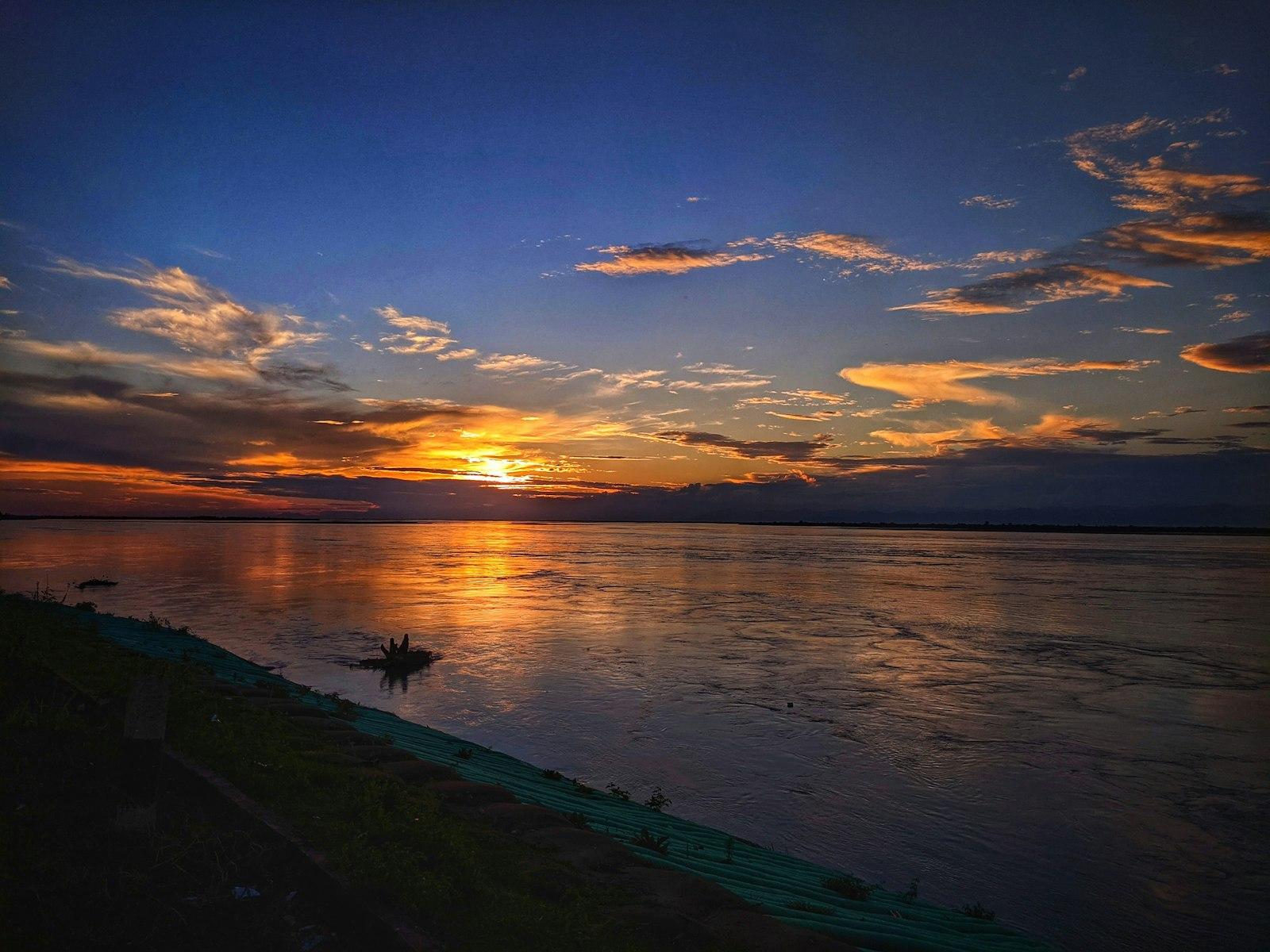
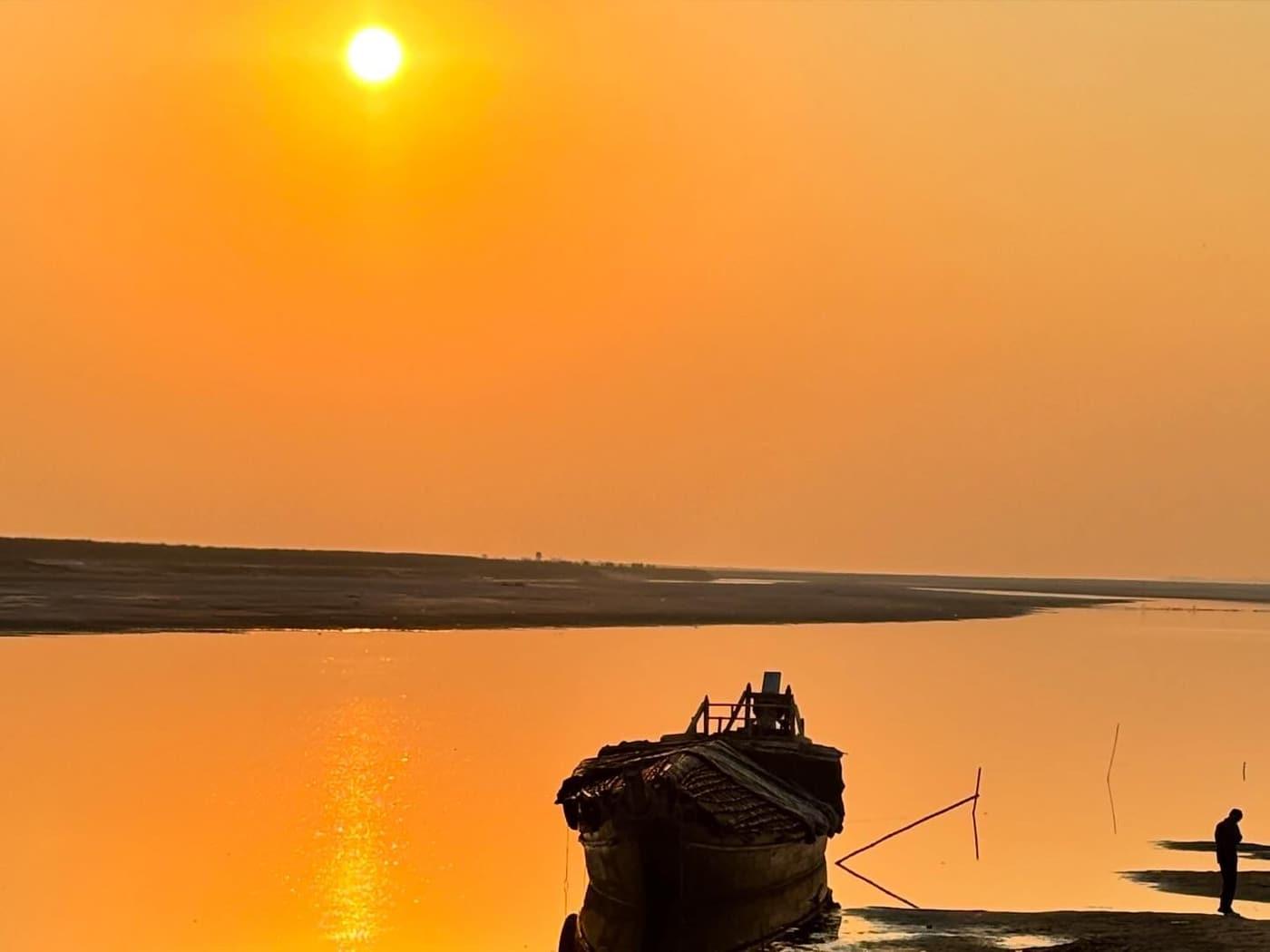
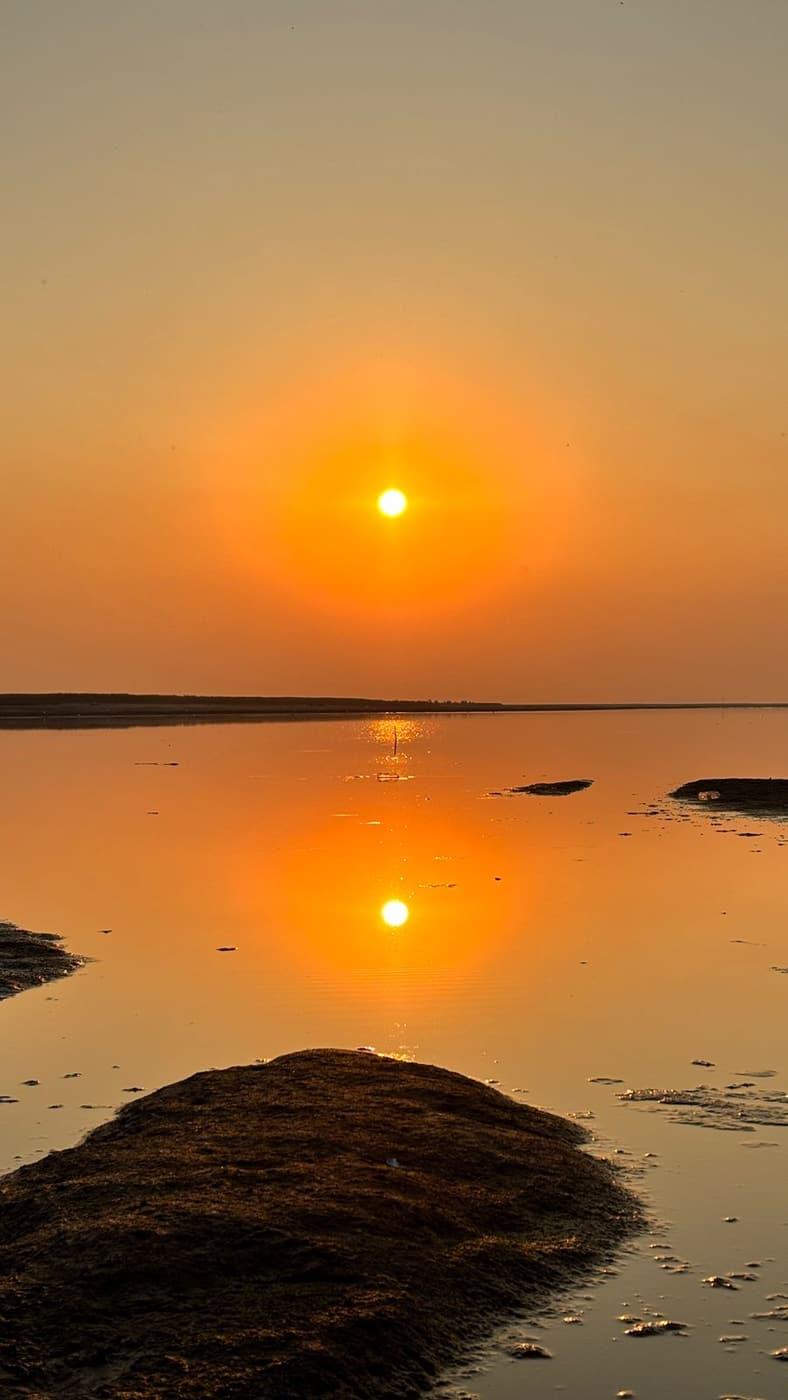
Down by the water, boats were being built and repaired, the same way they must have been for generations, and out on the river, more drifted slowly against an orange sky. There's always someone standing there with a phone or a camera, trying to catch the sunset, the orange - and then it's gone.
I stood there a long time too, not really doing anything, just letting the wind pass. It is one of those places where being useless for twenty minutes feels like the whole point of travelling.
The mask makers
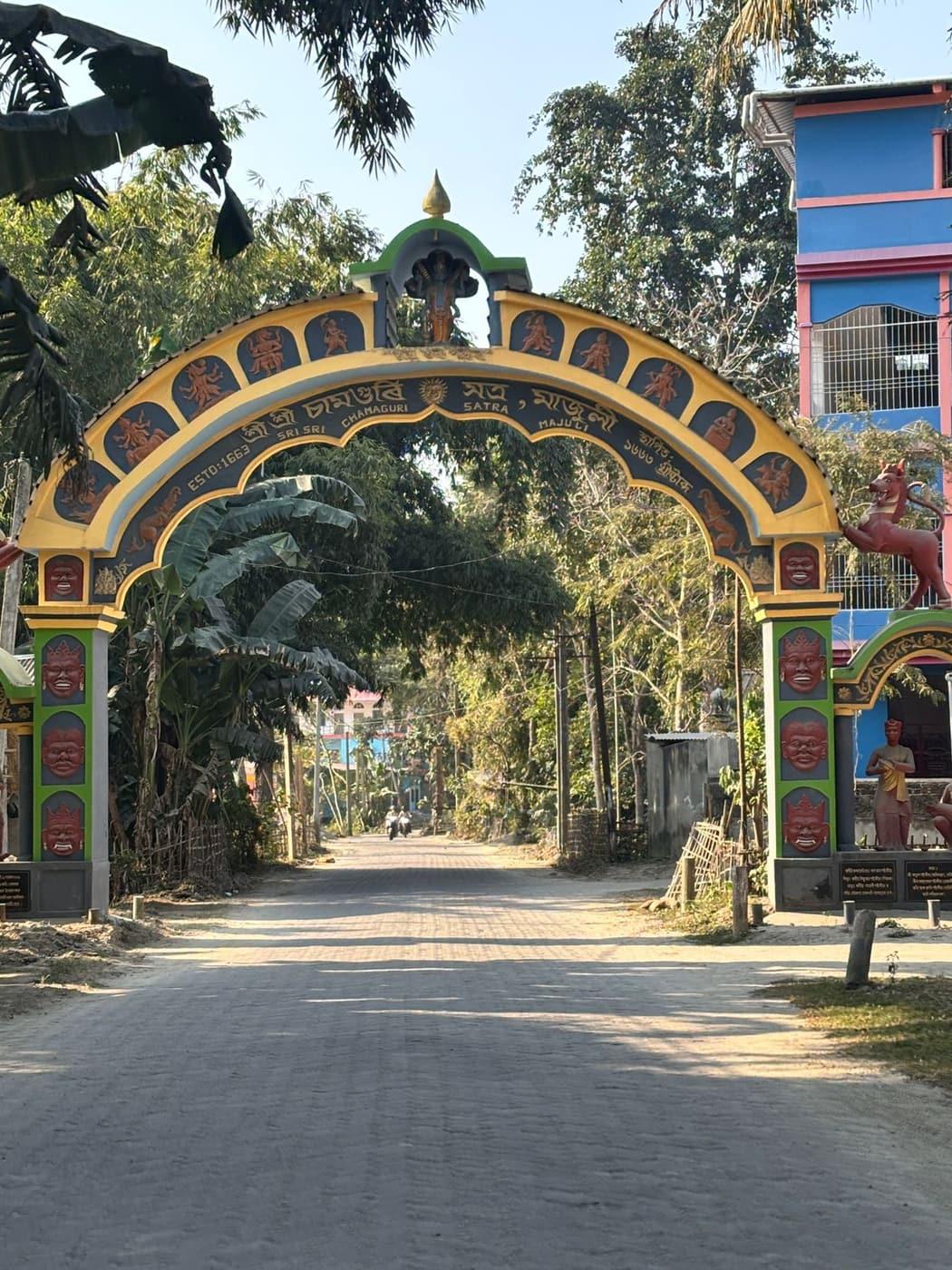
Samaguri Satra was founded in 1663, and for centuries it has done one thing better than anywhere else in Assam: it makes masks. Not decoration, but masks for a festival called Raas, held every November, when performers become gods and demons for a few nights and need faces large enough to be seen from the back of a crowd.
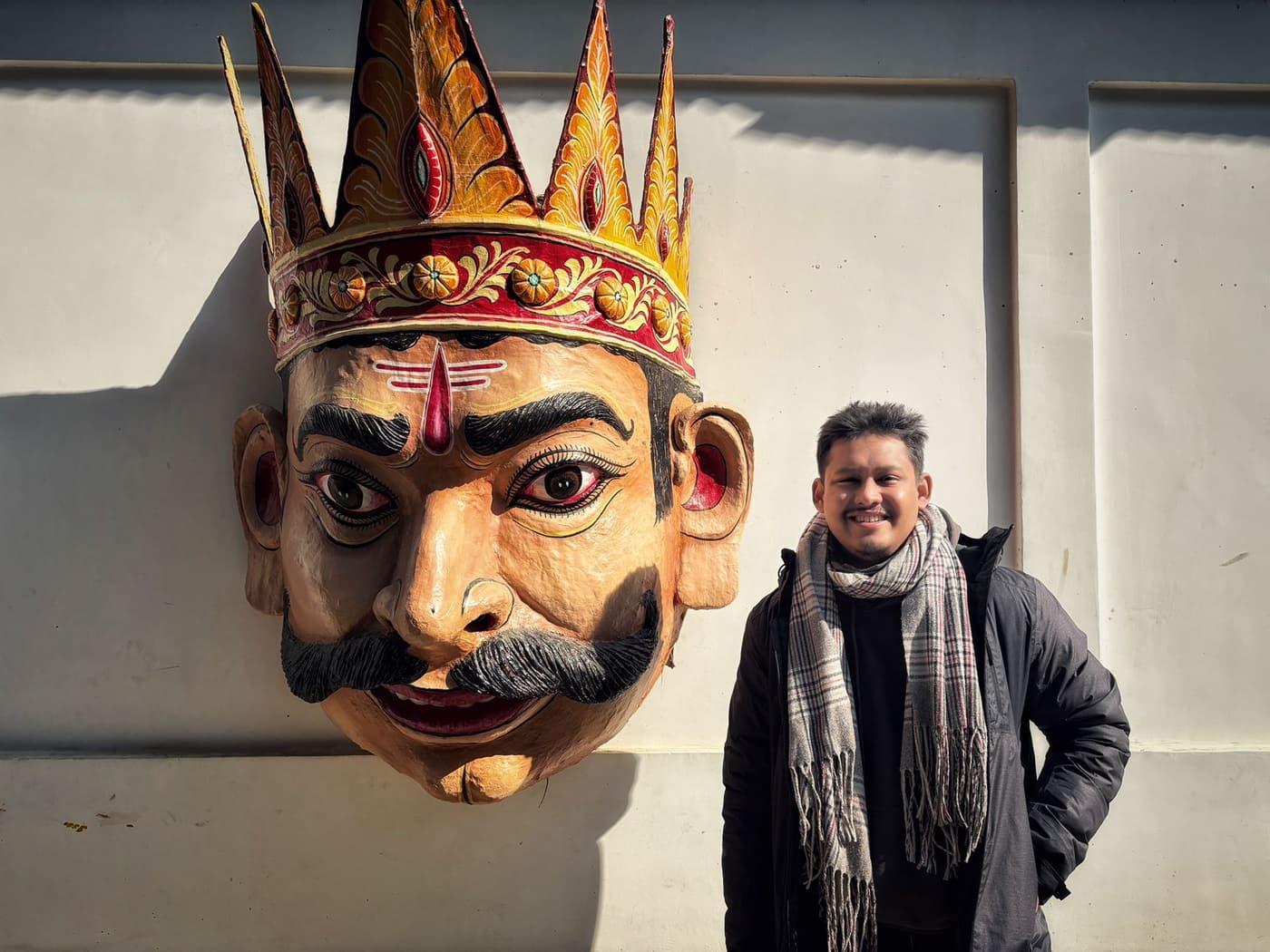
I got to meet the man who leads it now, Hem Chandra Goswami. He holds a Padma Shri for this work, India's fourth-highest civilian honour, and he still sits on the floor and builds masks by hand, the same way his teachers did. I had a photograph taken with him, which I will treasure more than any souvenir from any trip.
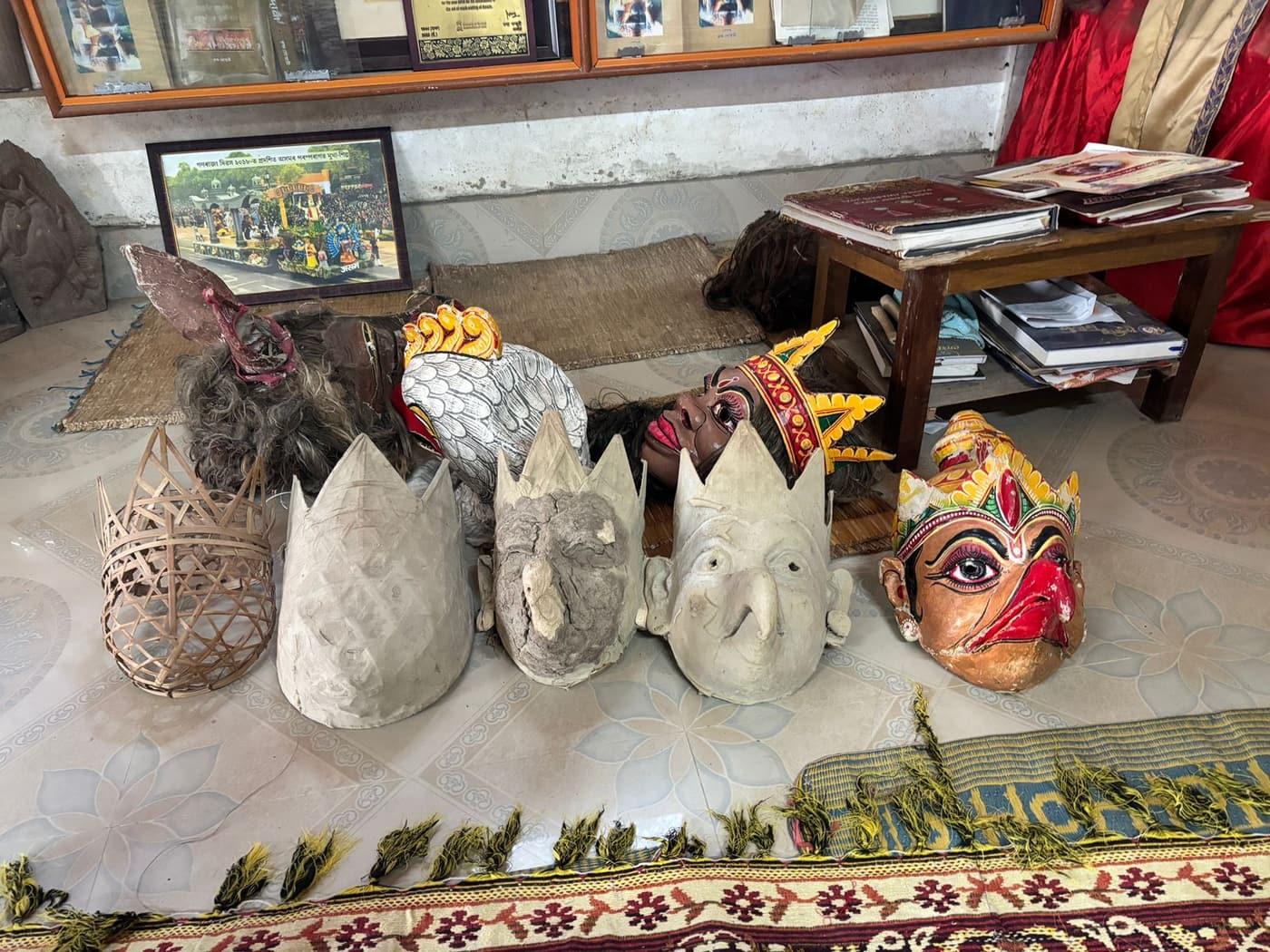
He showed me how it's done. A frame of bamboo, bent and tied. A paste of river clay and cow dung, layered over the frame. Paint, then hair made from coir or hay, then the final shape, a face three or four times the size of a human one, meant to hold a god for a night.
It takes days to make one mask properly. I bought a small one as a souvenir, and every time I look at it now, I think about how strange it is that something this delicate survives on an island that is otherwise losing everything else.
Villages on stilts, and pots shaped by hand
Not every home on Majuli sits on the ground. In the Mishing villages, houses stand on stilts, called chang ghar. Ride through on a scooter and you will see them everywhere, bamboo legs holding up a whole house above the floodline.
It is not decoration. It is survival. Every monsoon the river comes closer than anyone would like, and a house on stilts is a house that might still be standing in October. Some families raise theirs even higher after a bad year. You learn to read the height of a stilt like a measure of how bad the last flood was.
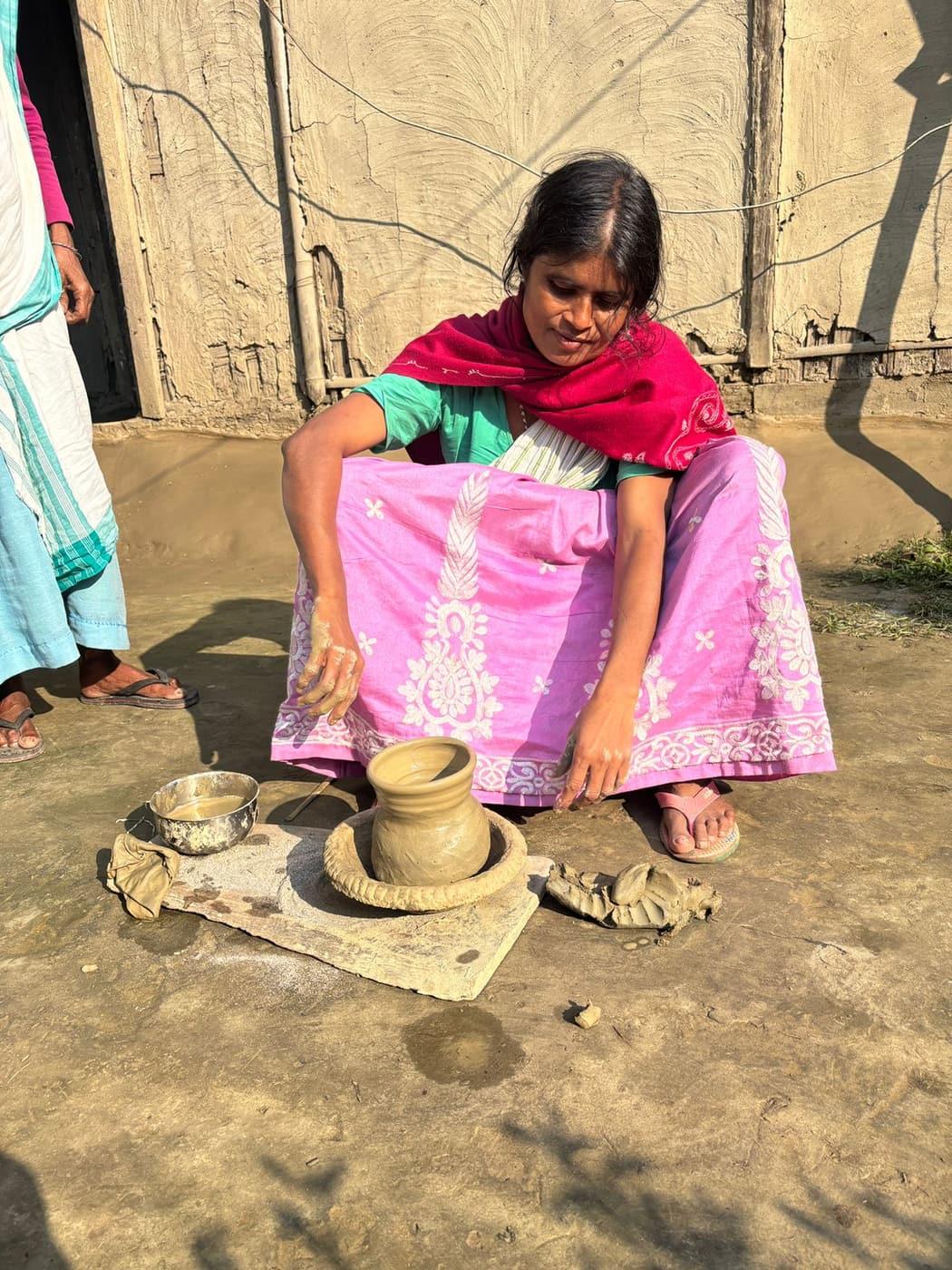
A short ride away is Salmora, a cluster of villages where potters still work exactly as they always have, without a wheel. They shape the clay entirely by hand, spinning the pot with their toes while their hands do the real work.
The clay itself is local, called kumar mati, and it is the reason this craft survives only here. I watched a woman turn a lump of it into a full pot in minutes, no machine in sight, and I understood why people call this one of the most pristine things on the island.
What to eat, where to sleep
Yggdrasil Bamboo Cottage is not one house. It's six or seven of them, all built as chang ghar, in the style you'll have seen out in the Mishing villages, scattered together on the property. Staying there feels less like checking into a hotel and more like moving into a local's house for a couple of days. There's even a hostel option for anyone travelling light. I ended up meeting more people there than I expected to, other travellers, the family running the place, whoever happened to be around that evening.
The dish to look for is Mishing thali. I had the best of it at a small eatery whose name I never caught, small and easy to miss. For Assamese thali instead, go to Manmuni, reliable and good every time.
Either way, it tastes like nothing I get back home. Simple ingredients, cooked the way people have always cooked them here, no seasoning trying too hard to impress anyone.
This is not fine dining, and it should not try to be. It is the kind of food that tells you more about a place than any monument does, one plate at a time.
Before you go
I went in January, when the island is calm and easy, cool mornings, clear skies, everyone moving at the pace I've described above. Go in November instead, and you'll find it dressed differently. That's when Raas Mahotsav happens, when the satras become stages, and the masks I watched being made finally get worn. Same island, same slow pace underneath, just with a festival laid over the top of it.
Two days is a strange unit of time to measure a place like this by. I got two days on it, and a great deal of memory out of it, and that trade felt entirely fair.
The Guwahati Answer
Q: What if the island isn't there next time I plan to visit?
A: Go this year instead of next.
If this has made you want to see it yourself, before the river takes any more of it, it is exactly the kind of trip we like building at Gentle Mile: unhurried, personal, with enough room left in the itinerary for a satra to actually mean something to you, not just tick a box. Come talk to us about a Majuli trip of your own.