Assamese food is simple and fresh. Rice sits in the middle of the plate. Fish, greens and a sour curry sit around it, cooked in mustard oil with few spices.
This guide names the dishes you will meet, in the order a meal is served. It covers rice, sweets, breakfast and Bihu food. It also shows how vegetarians eat well here, because many of our guests ask.
How an Assamese meal works
Assam Tourism describes the ideal meal like this. It starts with khar, an alkaline dish. It ends with tenga, a sour curry.
Between the two come rice, greens, a mash or two and fish or meat. There is no sweet dessert. The meal closes with tamul paan, raw areca nut with betel leaf.
Not every meal has both khar and tenga. In some homes the two are kept apart. But if a menu offers a thali, this is the order it follows.
Khar: the first dish
Khar gets its taste from ash. Cooks burn the dried peel or stem of the banana plant. They filter water through the ash, and that water goes into the pot.
The best-known khar is made with raw papaya and lentils. It can also be made with mustard leaves, other vegetables or fish.
The taste is mild and a little smoky. Eat a few mouthfuls with rice at the start of the meal.
Masor tenga: the sour fish curry
Tenga means sour. Masor tenga is a light fish curry, and it is the dish most visitors remember.
Tomato is the most common souring agent. Lemon, elephant apple, roselle leaves and dried mangosteen are used too.
Fish is the second pillar of the kitchen after rice. It comes from rivers, ponds and lakes. Rohu, borali and small puthi are all common.
Look out for patot diya maas as well. Small river fish are mixed with herbs, onion, chilli and mustard oil. Then they are wrapped in a banana leaf and steamed.
Pitika: the mashes
Pitika means mash. Aloo pitika is the great comfort food of Assam. It is boiled potato mashed with raw onion, green chilli and mustard oil.
Cooks make pitika from almost anything. Roasted aubergine, pumpkin, red lentils, small fish and fermented bamboo shoot all work.
A spoon of pitika sits beside the rice. Mix a little in with each mouthful.
Xaak: the greens
Xaak means leafy greens, and they come with most meals. Some are grown in gardens. Others grow wild, like dhekia, a fern.
Greens are often cooked simply, in water and salt, or lightly fried. At Bohag Bihu in mid April, tradition calls for 101 different xaak.
Duck, pigeon and pork
Meat is mostly for special days. Duck, or haah, is the one to try. It is cooked with ash gourd, and the pairing is a favourite.
Haah joha kumura is a winter dish. It uses a special ash gourd called joha kumura and is slow-cooked over a wood fire. Duck curry is also a highlight of the Uruka feast, the night before Magh Bihu.
Pigeon curry, paror mangxo, is another old dish. Not every family eats it.
Pork with bamboo shoot
Pork is loved by many of Assam's communities, among them the Bodo, Rabha, Sonowal Kachari and Ahom. It is not eaten in every home, though. Assamese Muslims traditionally avoid it, and so do some Hindu communities.
Pork with bamboo shoot is one of the classic dishes. One version adds black lentils. Laai xaak gahori is pork slow-cooked with mustard greens, ginger and garlic.
The Karbi of the Karbi Anglong hills have their own pork and bamboo shoot dish. It is called han-up-ahi-kiti. Villagers make it in September and ferment it for months in a bamboo basket.
Rice: joha, bora and komal saul
Rice is the staple, and Assam grows over 200 kinds of it. Three are worth knowing by name.
Joha is a fragrant, soft-grained rice. It won a GI tag in 2017. In March 2026 the first GI-tagged joha left India for the UK and Italy.
Bora saul is sticky rice. It goes into sweets, snacks and breakfast.
Komal saul, also spelt kumol saul, is rice that has been cooked, dried and then husked. You soak it in warm water and eat it as a light meal.
Jolpan: the Assamese breakfast
Jolpan means breakfast, or a light snack between meals. It is a plate of rice in many forms.
The best known is doi chira: flattened rice with curd and jaggery. It is often served in bell-metal bowls. Muri (puffed rice), akhoi, bora saul and komal saul can join it.
Jolpan is the breakfast guests are served during Bihu. It is also an easy, meat-free start to any day.
Pitha and laru: the sweets
Pitha are rice cakes, made mostly for festivals. They can be fried, steamed or roasted.
Til pitha is a rice cake filled with sesame and jaggery. Ghila pitha and sunga pitha are other kinds.
Laru are sweet balls. Tilor laru is roasted sesame and jaggery. Narikolor laru is grated coconut with jaggery or sugar.
Bihu food
Magh Bihu, in mid January, is the feasting Bihu. On the eve, called Uruka, friends share a big meal through the night. They eat in a bhelaghar, a hut built for the feast.
Next morning, after the meji bonfire and the prayers, come the sweets. Pitha, laru and doi chira fill every home.
Mah korai is made only at Magh Bihu. It mixes fried bora rice with sesame, grams and peanuts.
Read our Brahmaputra winter festivals guide for Magh Bihu and the rest of the season.
Food of Assam's many peoples
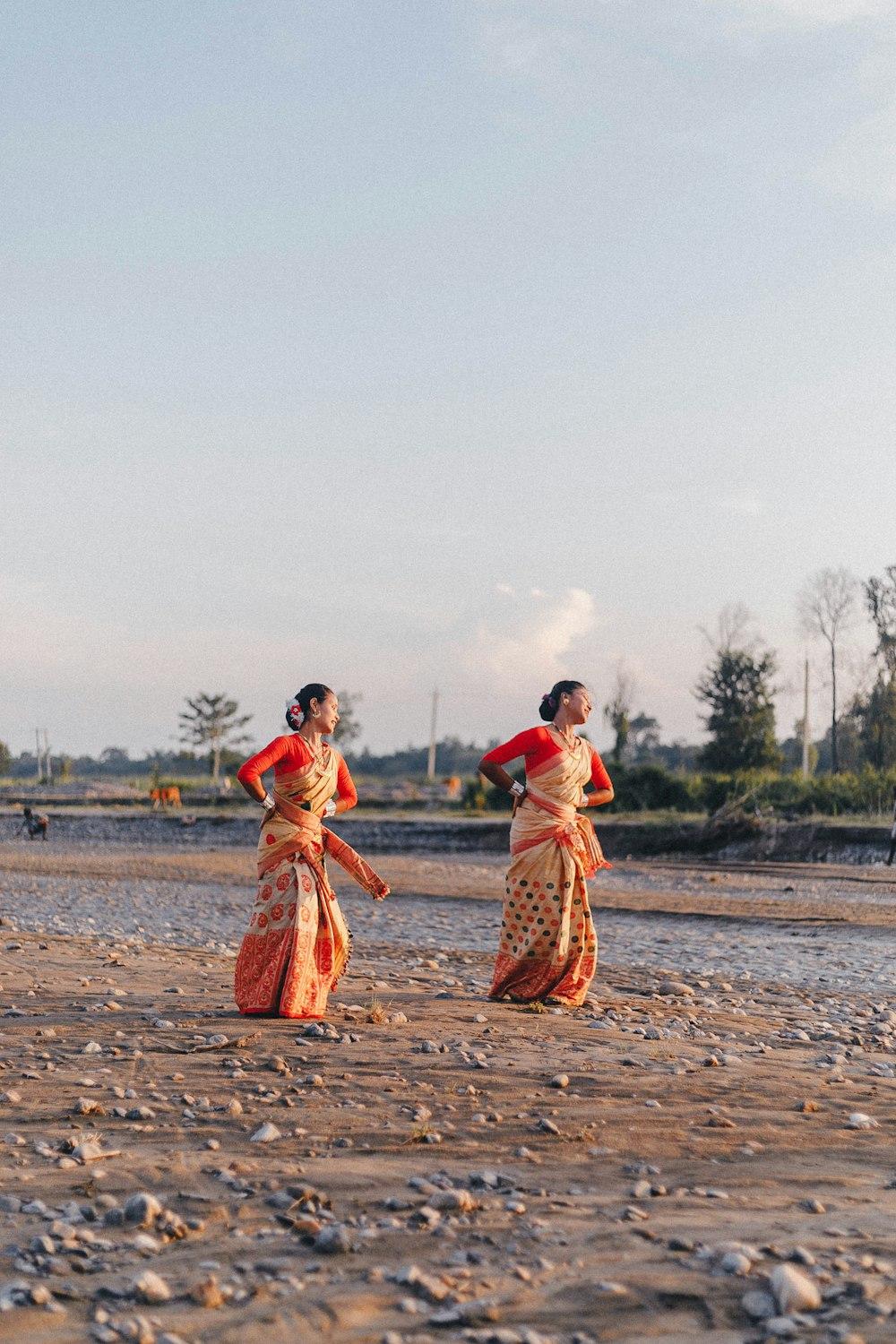
Assam is home to many communities, and each cooks its own way. The Bodo make onla, a dish of ground rice and herbs that is a full meal on its own.
Many communities brew rice beer, each with its own name. The Karbi call it harlang. The Bodo and Tiwa call it jou, and the Mising call it apong.
On Majuli, look for a Mishing thali. Our two days on Majuli story calls it the dish to find on the island.
Bhut jolokia: handle with care
Assam is famous for the bhut jolokia, or ghost pepper. It grows across the North East, mainly in Assam, Manipur and Nagaland. One old name for it is the Tezpur chilli.
In 2007 Guinness World Records named it the hottest chilli on earth. Hotter chillies have taken the title since, but it is still fierce.
You may see it in pickles or on the side of a plate. Taste a tiny piece first. Ask for it to be left out if you prefer.
Assam tea
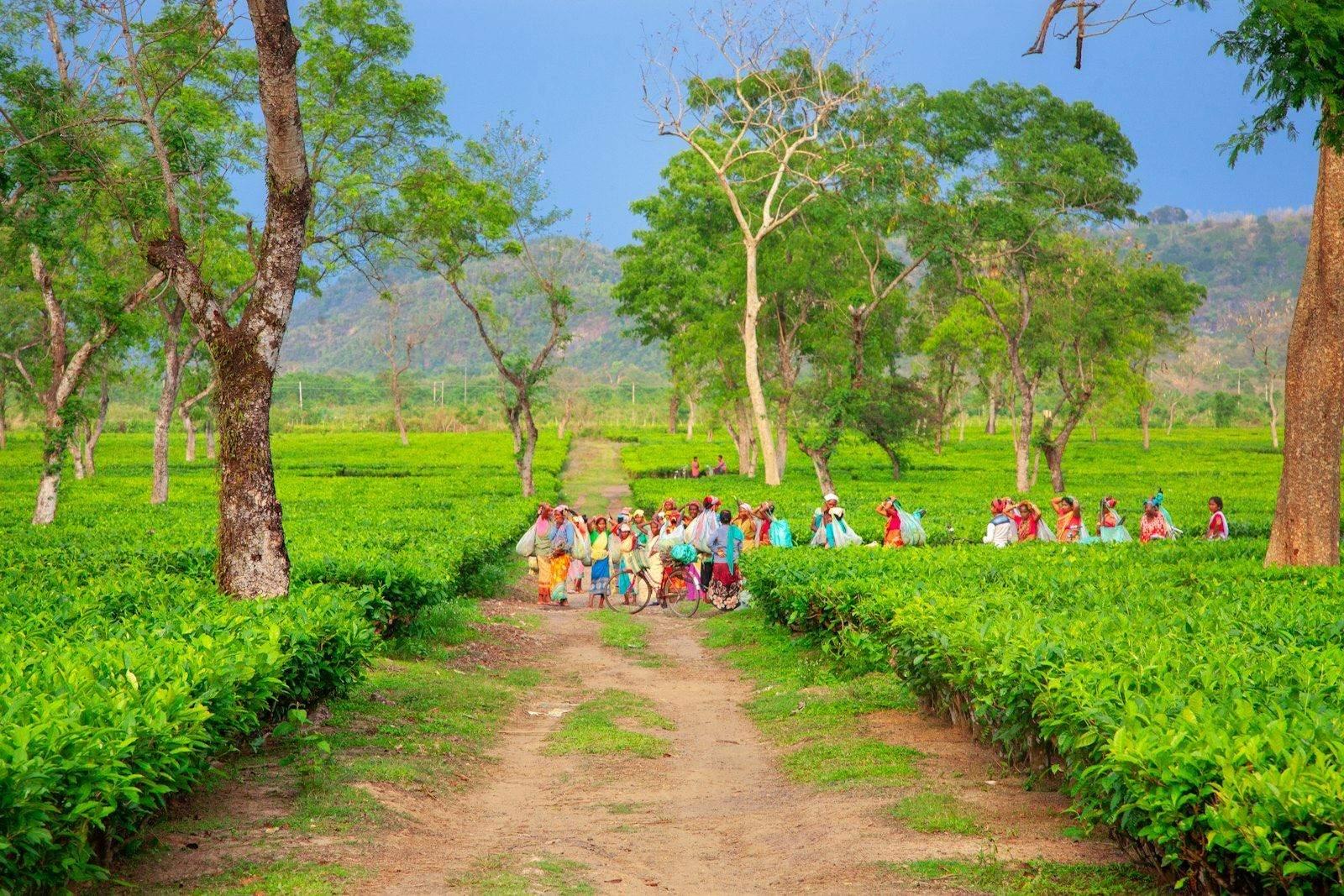
Tea, or saah, comes with almost everything. Assam tea is a black tea with a strong, malty taste. It comes from a local variety of the tea plant.
The Singpho people were brewing it long before Robert Bruce came across it in 1823. They still drink falap, their own tea, without milk or sugar.
Gardens pick the first flush in late March. The second flush, called tippy tea for its golden tips, is the one many people rate highest.
You can walk a working garden half an hour from Guwahati. Our Amchong tea estate day covers plucking, the factory and a tasting.
Vegetarian options
Vegetarians eat well in Assam. Assam Tourism notes that a vegetarian meal is served with many local vegetables.
These dishes are usually meat-free: khar made with papaya and lentils, aloo pitika, xaak, and bor, fried lentil balls. Ou tenga, a sour curry of urad dal and elephant apple, is vegetarian too. So are ou khatta, a sweet elephant apple chutney, and most pitha, laru and jolpan.
Check a few things. Some khar and pitika are made with fish, and aloo pitika sometimes has boiled egg. Jolpan uses curd, so vegans should ask. Pitika also has raw onion, so Jain travellers should say no onion or garlic.
How to ask for a veg thali
In hotels and homestays, tell the kitchen in the morning. Ask for a vegetarian Assamese thali with khar, pitika, xaak and dal.
Most kitchens also cook fish and meat. If that matters to your family, tell us before you travel. We check meals with every stay on our veg-friendly trips.
For more on the region's food, read our Meghalaya food guide. Our living culture and cuisine trips are built around meals like these.
Where to eat it on a trip
Guwahati is where most trips begin, and it is the easiest place to try a full thali. Our Guwahati travel guide covers the city.
On our Assam Heritage Trail, all meals in Assam are included. One night you stay with a family in Jorhat, who cook dinner at home and eat it with you if you like.
Read the Assam travel guide for the rest of the state, see our Assam trips, or tell us how your family eats. We reply within 24 hours.