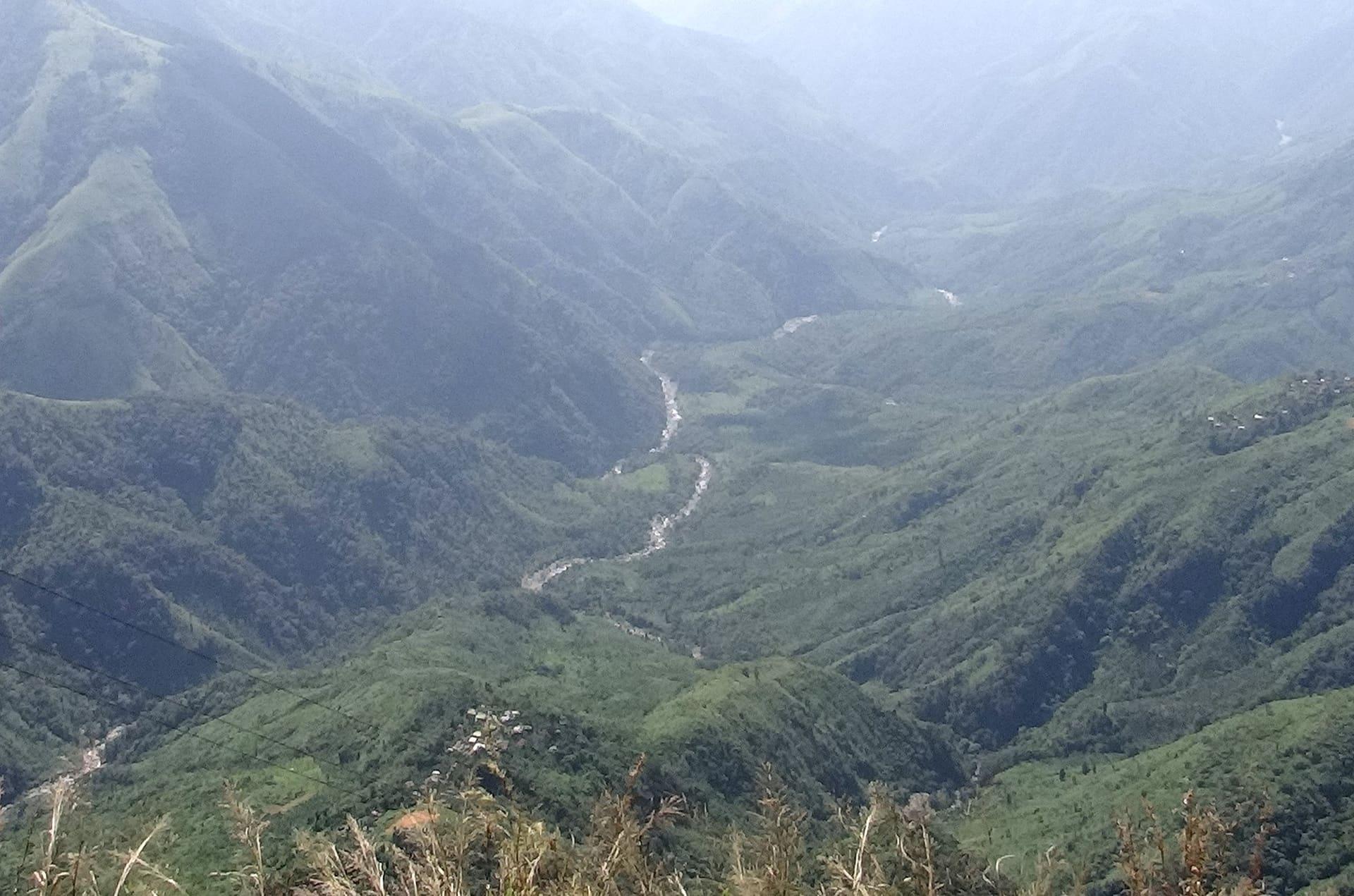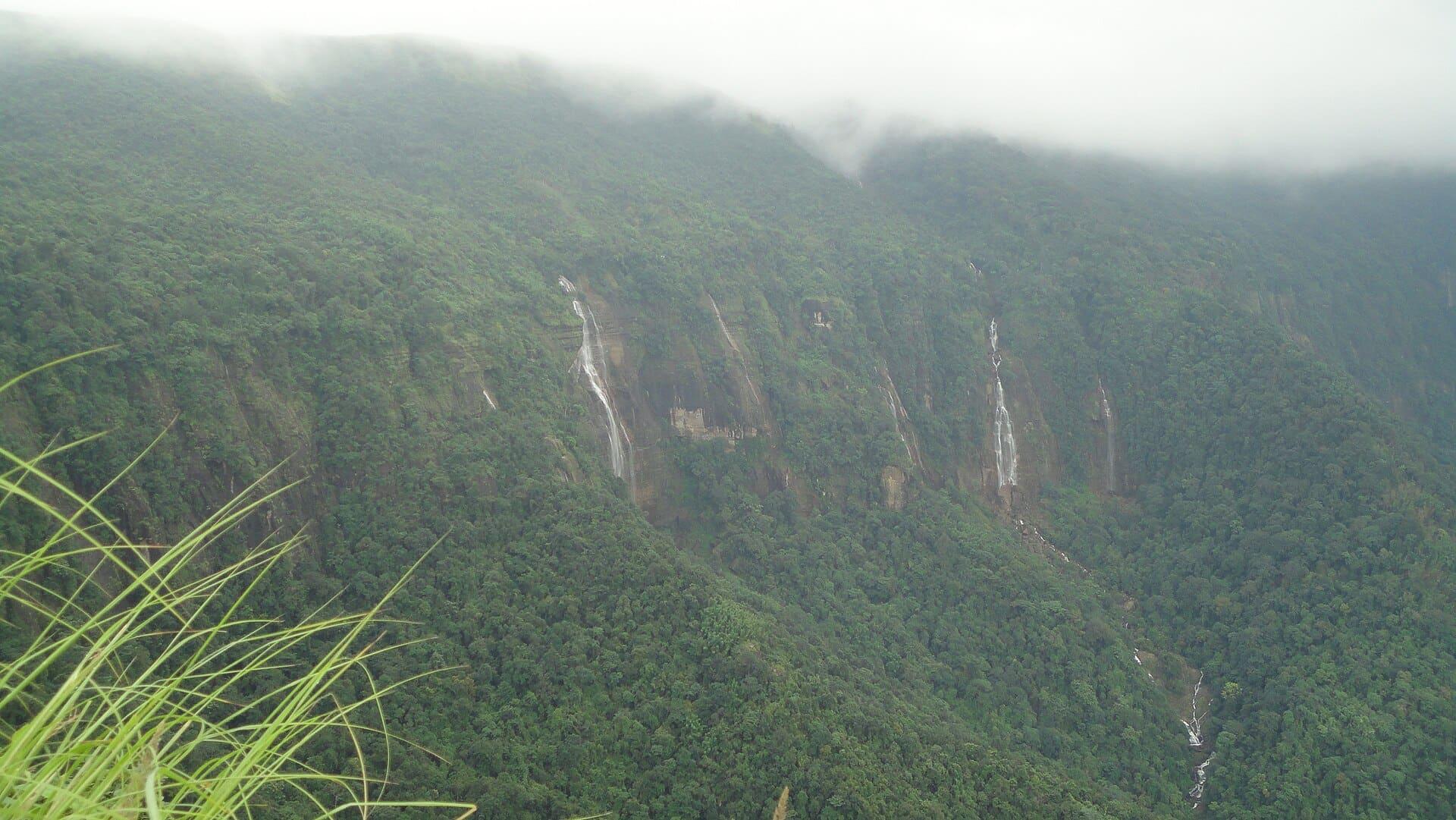
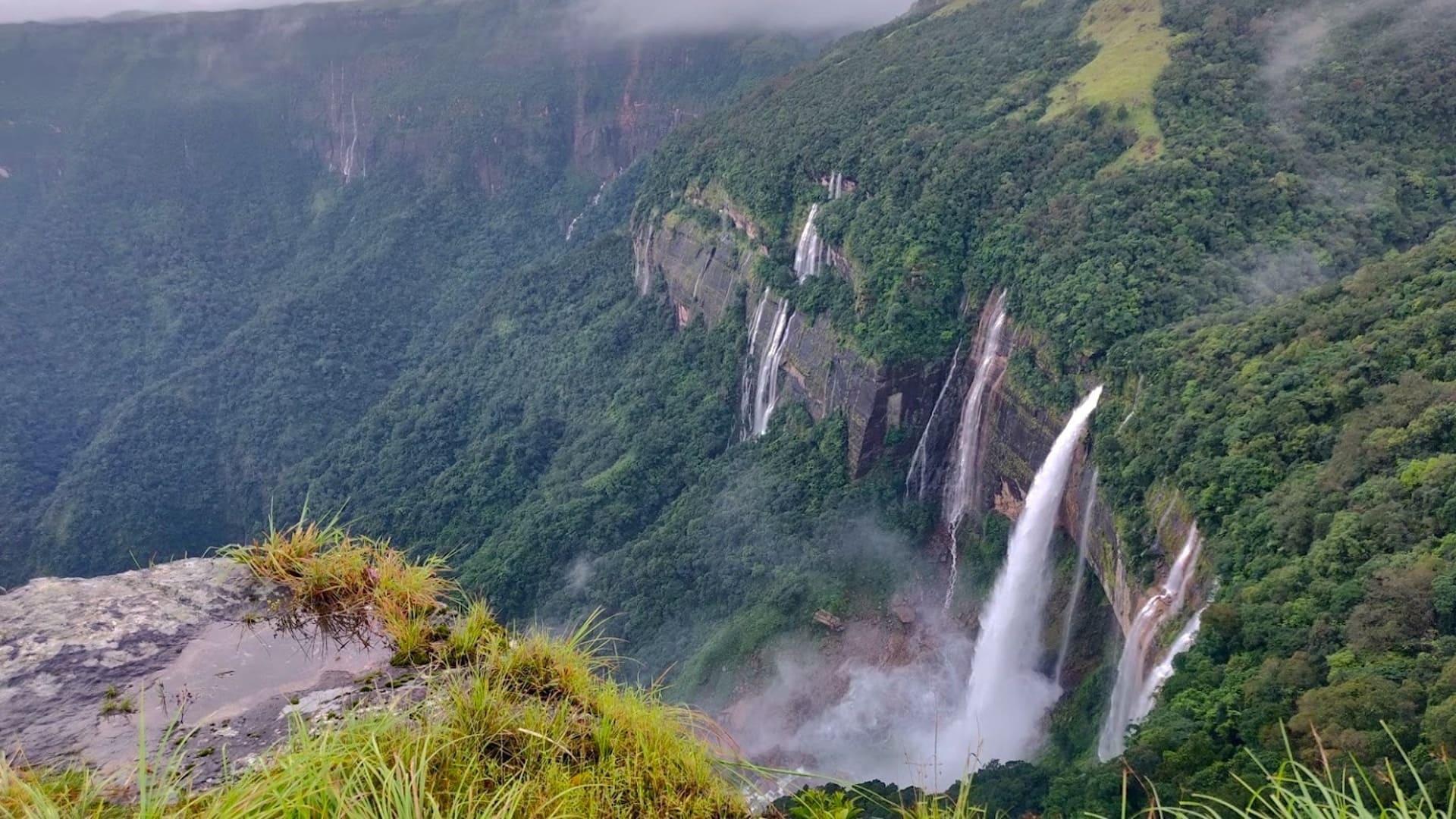
Meghalaya has two faces. In the dry months the skies are clear and the river at Dawki turns glass-green. In the monsoon the waterfalls roar, and the viewpoints vanish into cloud.
This guide goes season by season. It gives the real rainfall and temperatures, what the rain does to roads and treks, and the festivals worth timing a trip around.
The short answer
For a first trip, come between October and April. The rain has mostly stopped, the roads are reliable and the views are open.
November to February is the clearest stretch of all. It is also the coolest, so pack warm.
Come from June to September only if you want the rain itself. The waterfalls are at their biggest then, but you trade away views, river clarity and some road days.
October and November
October is the turn of the season. Shillong still gets about 200 mm of rain in the month, on around eight days. Highs are about 22°C and lows about 14°C.
By November the rain has nearly gone. Shillong averages about 25 mm, on one or two days. Highs drop to about 19°C and lows to about 10°C.
This is the sweet spot for most people. The falls still carry water from the monsoon, and the air is clear enough to see them. The Umngot at Dawki starts to clear in November.
One warning for October: Sohra fills up over the Durga Puja week. Book early if your dates touch it.
December to February
Winter is dry and cool. Shillong gets about 7 mm of rain in December and about 13 mm in January.
January is the coldest month, with highs near 15°C and lows near 6°C. Nights can feel colder than that, so pack warm layers for the evenings.
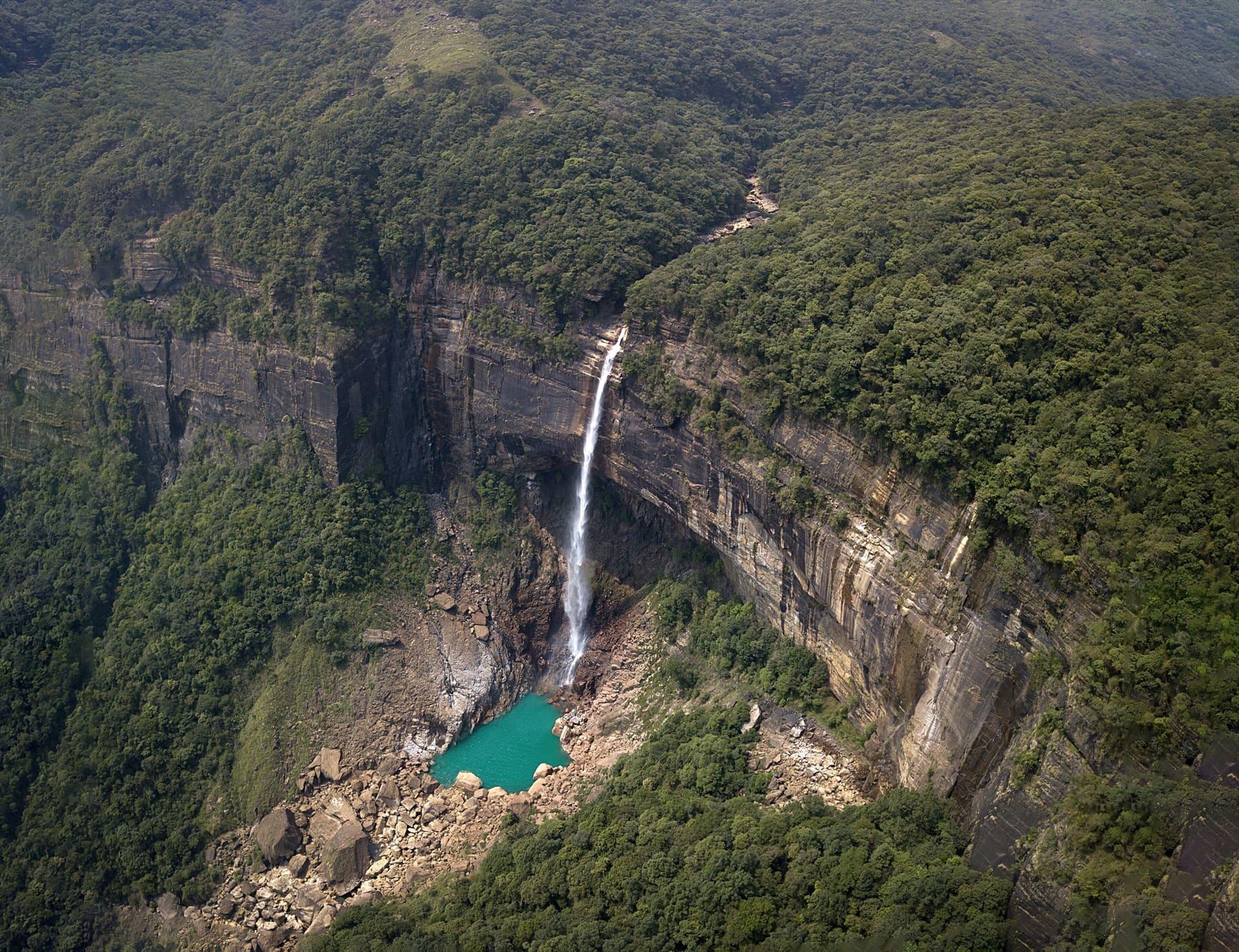
The skies are at their clearest. Laitlum, Nohkalikai and the Sohra cliffs are sharp from morning to late afternoon. The Umngot is at its most transparent.
The waterfalls carry less water now, and they thin out as the dry months go on. If falls matter most to you, come earlier in the season.
March to May
Spring warms up fast. By April Shillong's highs are about 23°C and lows about 14°C.
The rain returns early here. April brings about 130 mm to Shillong, and May about 245 mm. Expect afternoon storms, then clear mornings.
It is a good season for walking. The David Scott Trail and the root bridge treks are pleasant before the heavy rain starts. Start early and finish by lunch.
June to September: the monsoon
This is the wet season, and here wet means very wet. Shillong gets about 400 mm in each of June and July, with rain on about 18 days a month.
Sohra is in another league. The Japan Meteorological Agency's normals give it close to 3,000 mm in July alone. That is more than Shillong gets in a whole year.
Temperatures stay mild, with highs near 24°C and lows near 18°C. It is humid, not hot.
The trade-off is real. You may stand at Nohkalikai and hear it but see only white. The Umngot runs fast and brown, and boating at Dawki is often stopped.
Best time for waterfalls
For waterfalls you can both hear and see, aim for September to early November. The falls are still full from the rains, and the cloud has begun to lift.
July and August give you the most water. Seven Sisters becomes a whole cliff of falls. But plan for days in cloud, and keep a spare day.
Some falls need steps. Wei Sawdong has a steep, slippery path down to its pools. It is far easier in the dry months.
Read The Monsoon, and My Brand-New Nikes for what a wet-season trip feels like, and what to pack for it.
Best time with family
For children and older parents, October to March is the safest bet. Roads are dry, steps are less slippery and the days are mild.
November and early December are the easiest months of all. You get clear views without the deep winter cold.
Avoid the peak monsoon with young children or anyone unsteady on their feet. Wet stone, long drives and road delays add up.
Our guide to Meghalaya with kids and elderly parents covers what is easy and what to skip.
Monsoon roads and treks
Landslides are a normal part of the monsoon here, and they close roads. On 21 June 2026 a slide cut the Shillong-Dawki road beyond Laitlyngkot. Traffic had to go round via Sohra or Jowai.
In 2025 the district asked people to avoid needless travel to Sohra after landslides in late May. In August it closed part of the Dawki road for hours each day.
So in the rains, build in slack. Keep one free day, and do not book a tight flight on your last morning.
Treks still run, but the steps are wet and mossy. Since June 2025, East Khasi Hills has required visitors to take a registered guide on treks.
Festivals by month
April: Shad Suk Mynsiem, the Khasi dance of thanksgiving. In 2026 East Khasi Hills marked it with a holiday on 13 April.
May: Bob Dylan Day in Shillong on 24 May, when Lou Majaw plays his yearly Dylan concert. Read about it in Shillong, India's rock capital.
July: Behdienkhlam, the big Jaintia festival at Jowai. In 2026 it ran from 6 to 9 July. It is a monsoon festival, so plan for rain.
November: three in one month. The 100 Drums Wangala Festival runs from 11 to 14 November 2026 at Tura, in the Garo Hills. The Nongkrem dance at Smit is usually in November, but check the date. The Shillong Cherry Blossom Festival is on 20 and 21 November 2026.
December: Christmas in Shillong, with lights, carols and the Winter Tales festival at Ward's Lake.
Crowds and busy weeks
The dry season is also the busy season. A few weeks fill up faster than the rest.
The Durga Puja week in October and the run from Christmas to New Year are the busiest. Long weekends are busy too, and Sohra has only so many good rooms.
The Cherry Blossom Festival weekend in November brings a big concert crowd to Shillong. If you want the trees more than the music, come a week either side.
What to pack, season by season
October to February: a warm jacket, a fleece and a woollen cap for the evenings. Days are mild, but the plateau gets cold after dark.
March to May: light layers, a rain jacket and a small umbrella for the afternoon storms.
June to September: a proper rain jacket, quick-dry clothes and shoes with a good grip. Leave white trainers at home. Pack a dry bag for your phone.
All year: walking shoes with a firm sole. The rock at the viewpoints is slick even on a dry day.
How many days to give it
Give Meghalaya five to seven days in the dry season. That covers Shillong, two or more nights in Sohra, and a day for Dawki and Mawlynnong.
In the monsoon, add a day. It is your buffer for a closed road or a day lost to cloud.
Going further afield? Our guide to the best time to visit North East India shows how Meghalaya fits with Assam and Arunachal.
Plan your trip
Our Meghalaya in Full trip gives you three nights on the Sohra plateau, so the weather gets more than one chance. It starts from ₹31,500 per person, indicative, for 2 adults sharing, land only.
Tell us your month and we will tell you honestly what it will look like. We reply within 24 hours.