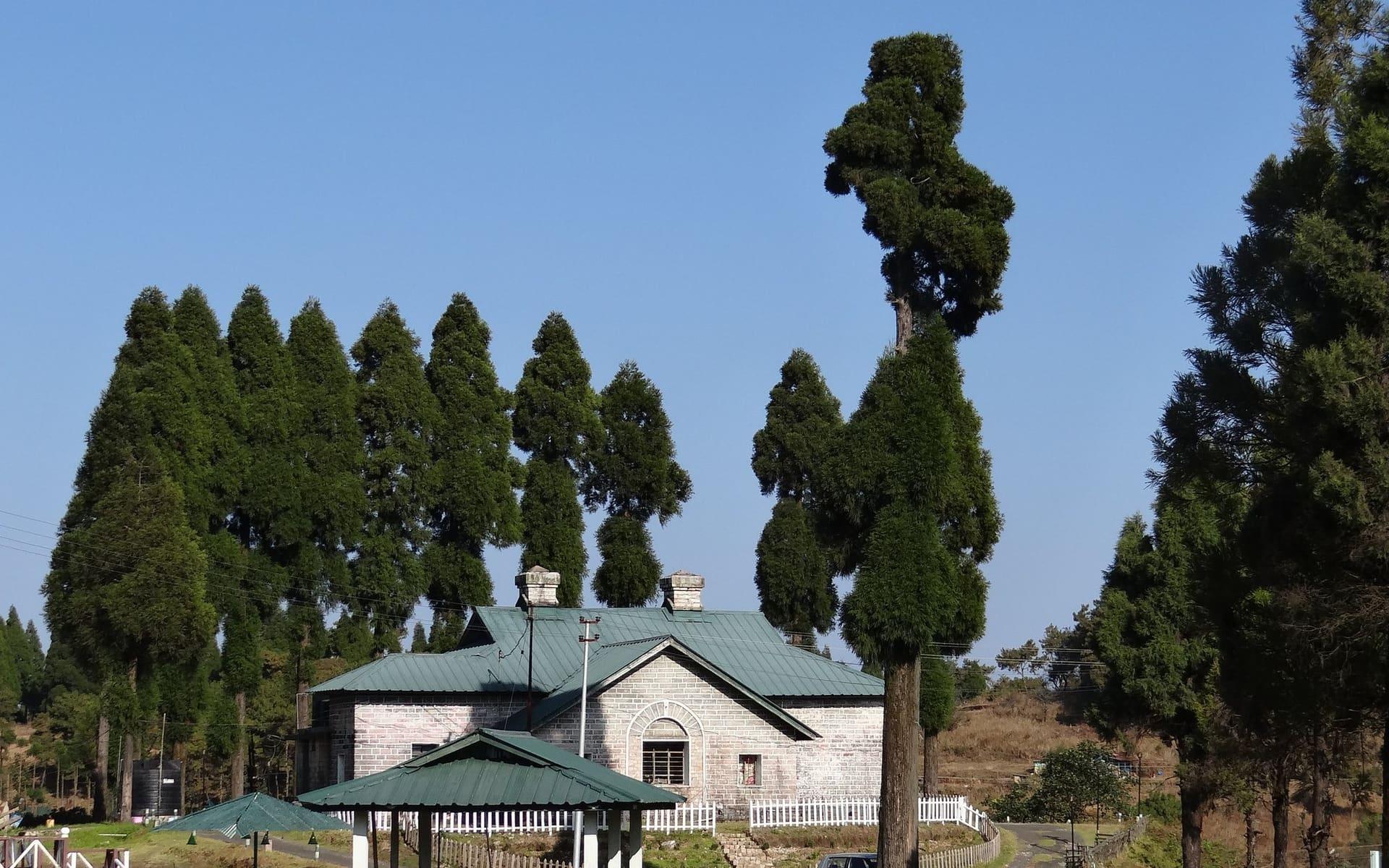
Meghalaya works well for families. Many of its best sights are viewpoints you can drive right up to, and the weather is mild.
But some of its famous sights mean hundreds or thousands of steep, wet steps. This guide sorts the easy from the hard, and covers drives, cold, medical care and pace.
The short answer
Come between October and March, give it six or seven days, and sleep in Sohra rather than driving there and back. Pick one big sight each morning and rest after lunch.
Skip the double-decker root bridge at Nongriat unless everyone is fit. See a root bridge at Riwai instead.
The best season for a family trip
October to March is the easy window. The rain has mostly gone, the steps are drier and the views are open.
The monsoon is harder with family. Paths are wet and mossy, and landslides close roads. On 21 June 2026 a slide shut the Shillong-Dawki road beyond Laitlyngkot, and traffic had to go the long way round.
December and January are the coldest months. They suit children who like a chill, but older parents may prefer October, November or March.
Easy sights: little or no walking
Umiam Lake, which the Khasi call Barapani, is a roadside stop on the way up from Guwahati. It is a good first break after the climb.
Laitlum is easy if you stay at the top. The view of the gorge is the whole point, and most people never take the stairs down.
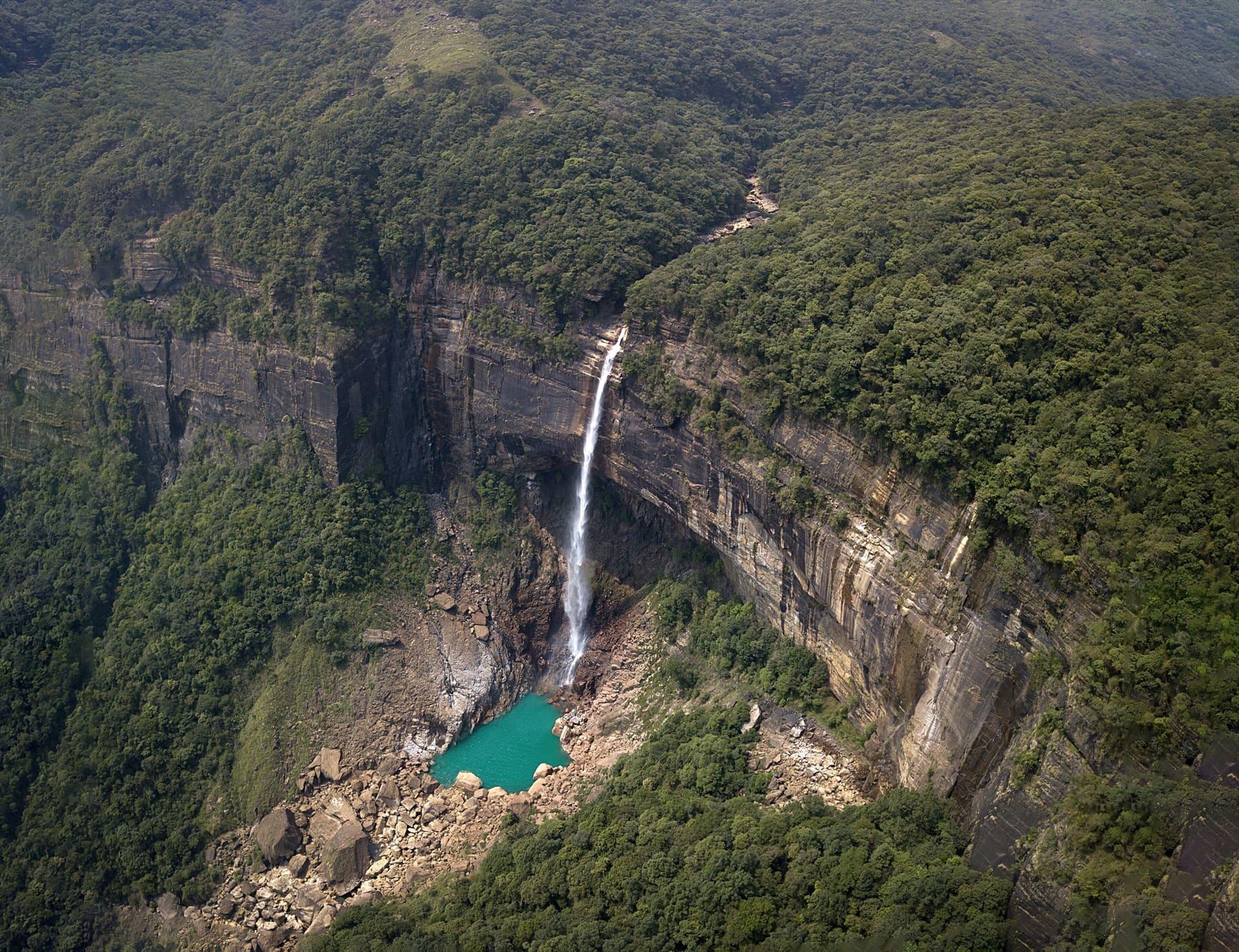
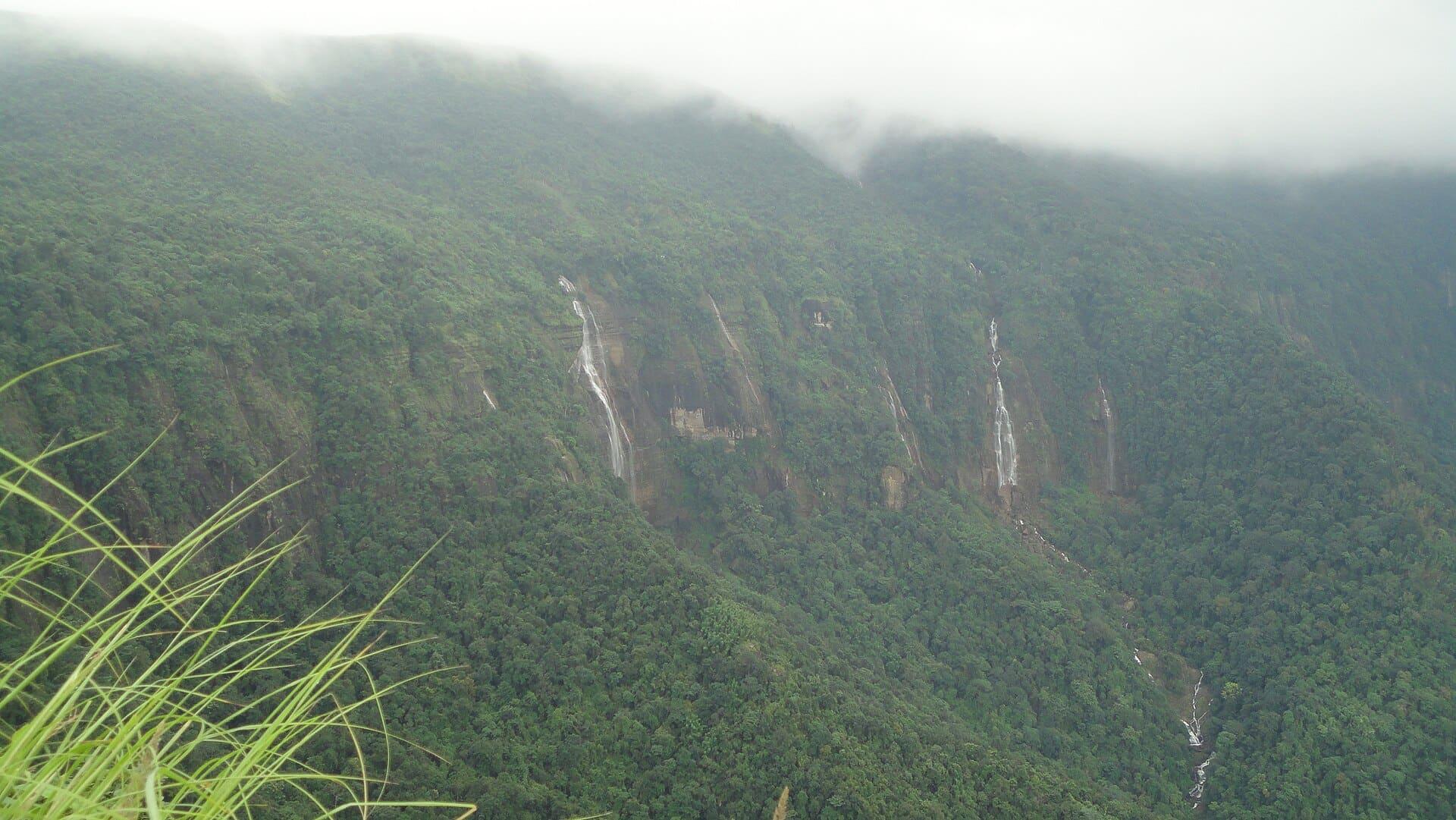
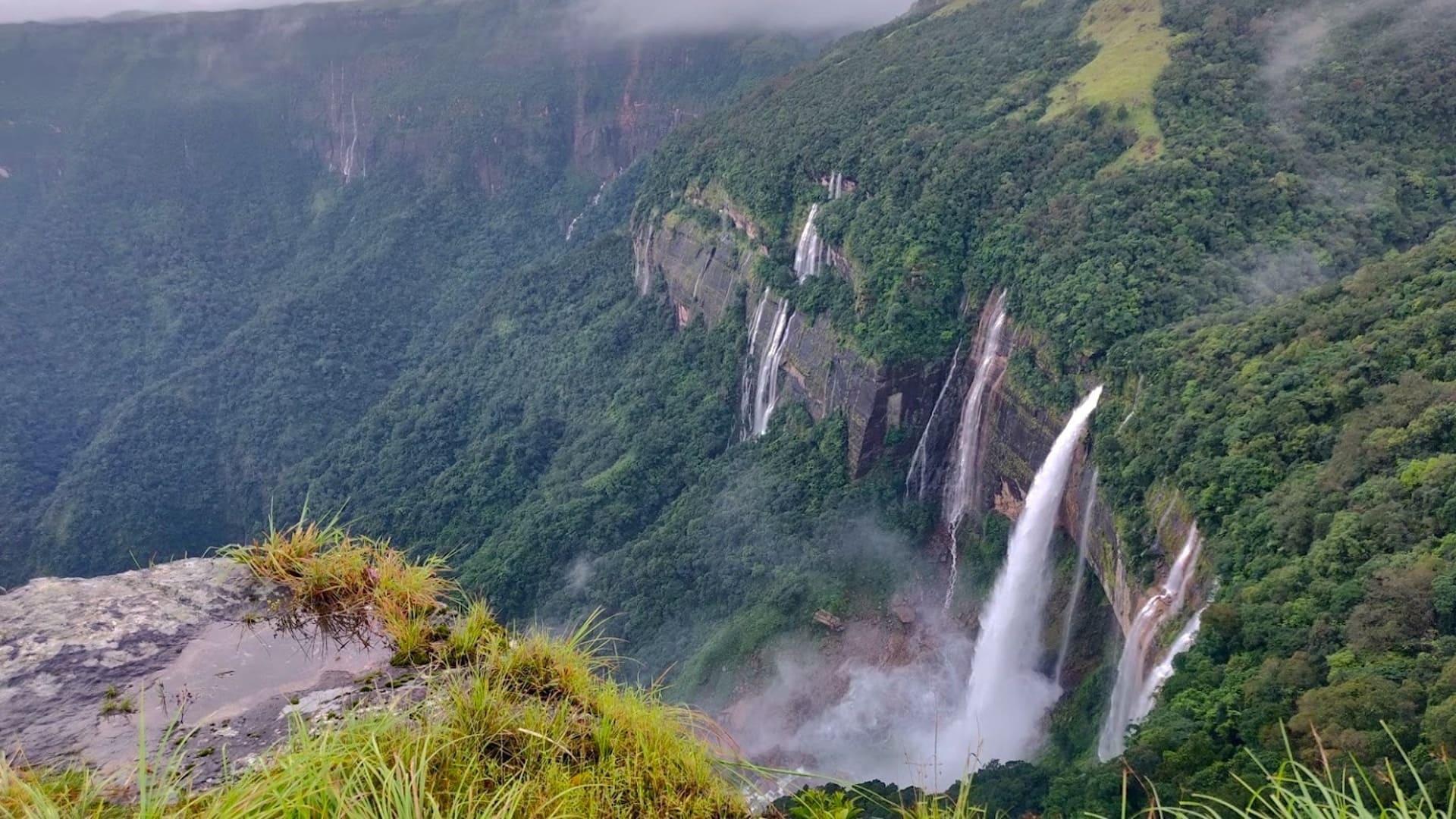
Nohkalikai and Seven Sisters are viewpoint falls. You see them from the edge of the plateau, not from the bottom.
In Shillong, the Don Bosco Museum covers the cultures of the whole North East. It is a good choice for a slow afternoon or a rainy one. An evening in Police Bazar suits everyone.
Easy sights: a short walk
Mawlynnong is a village walk on swept paths. Children like the bamboo bins and the flowers outside every house. Do not go on a Sunday. Since January 2026 it has closed to day visitors that day, and its shops and toilets shut too.
The root bridge at Riwai, near Mawlynnong, is far easier to reach than Nongriat. It gives children and grandparents a real root bridge without the gorge.
Mawphlang Sacred Grove is a slow, guided walk on forest paths. The ground is uneven in places, so take a walking stick if one is used at home.
Boating on the Umngot at Dawki is a hit with children. Go between November and April, when the water is clear.
Hard sights: skip or split the group
Nongriat is the big one. It is about 3,500 steps down from Tyrna and the same back up, four to six hours in all. There is no road, no ATM and no pharmacy below Tyrna.
Wei Sawdong is a short but steep descent. Part of it is on bamboo ladders, and it turns muddy when wet. Skip it with small children or unsteady parents.
Wahkhen's bamboo trail runs along a cliff on lashed catwalks. It is only for steady walkers with a head for heights.
Phe Phe Falls is short but steep. The Laitlum stairs to Rasong go a long way down.
The sky view tower at Mawlynnong is a tall bamboo structure that sways a little. Some children love it. Some grandparents do not.
Caves: good for children, harder for knees
Mawsmai cave, near Sohra, is lit and has a floor. Children often love it. But it has two tight spots where you turn sideways to squeeze through.
Older parents with stiff knees, or anyone uneasy in tight spaces, can wait outside. Arwah cave is a longer walk in, through a forested gorge, so judge it by your slowest walker.
Altitude and cold
Altitude is not a worry here. Shillong sits at about 1,500 metres and Sohra at about 1,300. Altitude sickness usually starts above 2,500 metres.
The cold is the real thing to plan for. In January, Shillong's average high is about 15°C and its low about 6°C. Evenings on the Sohra plateau feel colder, and wet weather makes it worse.
Pack warm layers, caps and socks for children and older parents. A hot-water bottle is worth the space for anyone who feels the cold.
Road time
Guwahati to Shillong is about three hours by road. The drive back down to Guwahati airport takes about three and a half.
Shillong to Sohra is about two hours each way. That is why we put families in Sohra for two or three nights, rather than doing it as a day trip.
The roads are winding. If anyone gets carsick, carry their usual tablets and sit them in front. Plan a stop every hour or so.
Toilets, medicine and hospitals
Shillong has the big hospitals. They include NEIGRIHMS, a large central government medical institute and hospital. Guwahati, at the start and end of every trip, has more.
Outside Shillong, facilities are basic. Use the hotel toilet before you set out, and carry tissues and hand sanitiser.
Bring enough of every regular medicine for the whole trip, plus a few spare days. Village shops may not stock them. Travel insurance with medical cover is wise for older travellers.
Pacing the days
Start after breakfast, not at dawn. Do the main sight in the morning, when the views are clearest, and keep afternoons light.
Do not stack two hard days in a row. The Dawki and Mawlynnong day is a long one on the road, so keep the next morning free.
Keep one spare day. Rain, cloud or a closed road can wipe out a plan, and a spare day takes the stress away. Shillong Peak, for one, sits in an Air Force area and can close without notice.
Where to stay
Sleep on the Sohra plateau for two or three nights. You unpack once, and the waterfalls are close by, so the drives each day are short.
In Shillong, stay near Police Bazar. Dinner is then a short walk, not another drive.
Tell us if anyone needs a ground-floor room, a lift or a western toilet. We check before we book.
A gentle week, day by day
Day 1: Guwahati to Shillong, with a stop at Umiam Lake. Day 2: Laitlum in the morning, the Don Bosco Museum after lunch.
Day 3: Mawphlang Sacred Grove, then on to Sohra. Day 4: Nohkalikai and Seven Sisters in the morning, a quiet afternoon.
Day 5: Mawsmai cave, or a rest day while the fit ones trek. Day 6: Riwai, Mawlynnong and a boat at Dawki, then back to Shillong. Day 7: down to Guwahati.
How many days you need
Give it six or seven days for a gentle trip. That allows a night or two in Shillong, two or three on the Sohra plateau, and a day for Mawlynnong and Dawki.
Five days can work for a family with older children who do not mind longer drives. With grandparents, do not go shorter than six.
For month-by-month weather, read our best time to visit Meghalaya. For more ideas, see things to do in Meghalaya.
Plan your trip
Our Meghalaya in Full trip has three nights on the Sohra plateau. If Nongriat is not for your family, we swap in the easier root bridge at Riwai at no extra cost. It starts from ₹31,500 per person, indicative, for 2 adults sharing, land only.
See how we plan elderly-friendly trips, or tell us who is travelling. We reply within 24 hours.