They were new. That is the detail that still bothers me. Bought the week before, white, box-fresh, worn out of the house that morning with the specific self-satisfaction of new shoes.
By four o'clock that afternoon they were the colour of the road, full of water, and making a noise at every step that I can only describe as a small polite burp. They never fully recovered. I have since replaced them and I have never again worn anything I liked to Meghalaya in July.
You do not understand this rain yet
I grew up in Assam. I thought I knew rain. The plateau rain is a different category of event.
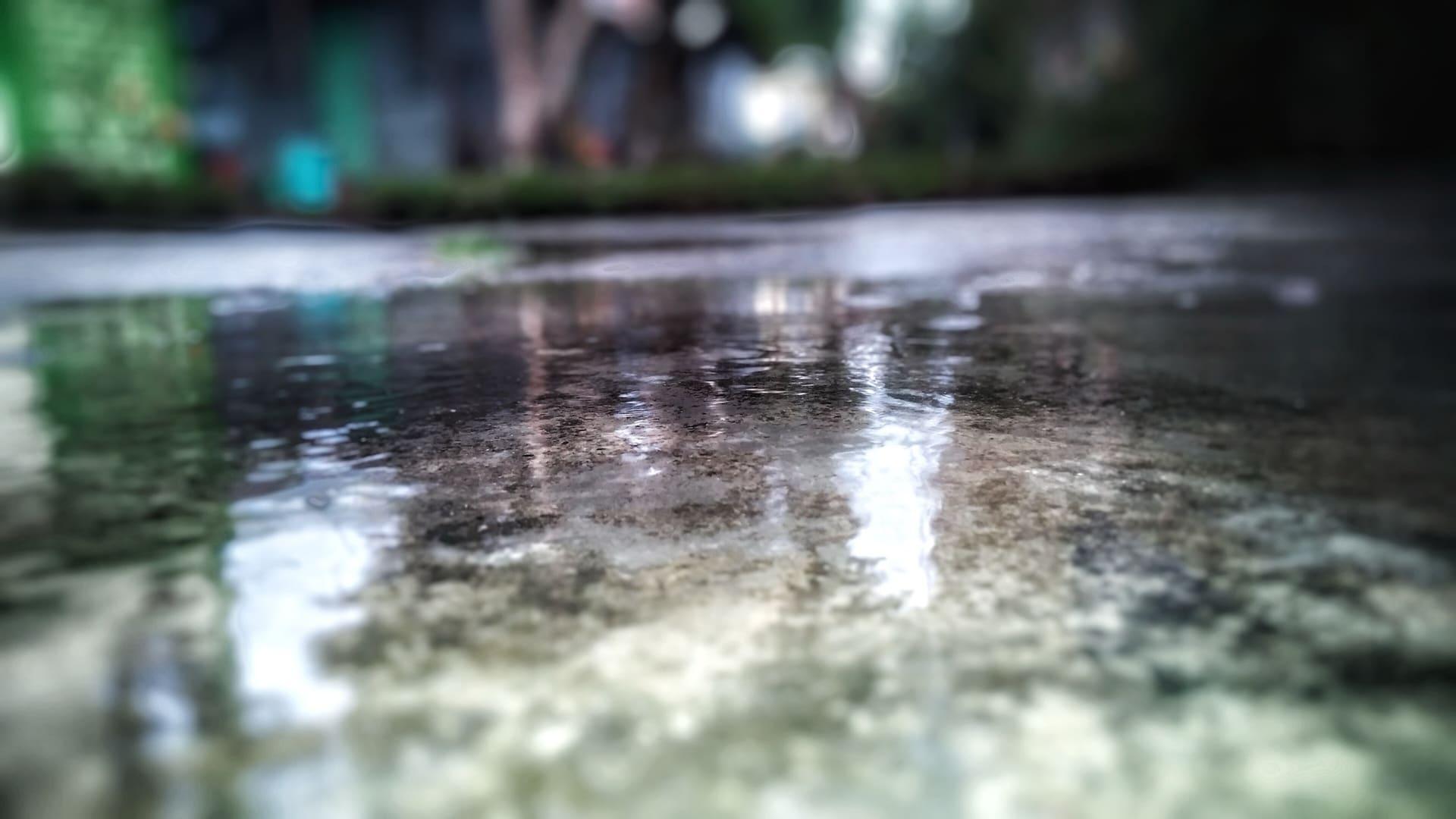
It does not arrive as drops. It arrives as a single continuous vertical mass of water, and it does so with no meaningful warning - the cloud comes across, the light goes green-grey, and then the world is white noise. An umbrella is a joke. A cheap poncho lasts about four minutes before the wind gets underneath it and turns you into a sail. Water does not run off you, it runs through you, finds your waistband and goes down.
And then, quite often, twenty minutes later it stops dead, the sun comes out, steam lifts off the tarmac, and there is a rainbow standing in the gorge. That is the part that gets you. You are furious and soaked and then the whole valley does something absurd and beautiful and you forgive it instantly.
What the locals wear, which should have been my first clue
In the villages around Mawsynram people carry a knup - a full-body shield woven from bamboo and banana leaf, shaped like an upturned boat, that covers you from head to knee and leaves both hands free to work. It has existed for a very long time because it is the correct answer to this problem.
Meanwhile I had white sneakers and a hoodie. A farmer named Shemphang watched me squelch past, said something to his son in Khasi, and both of them laughed without any unkindness at all.
The actual packing list
Quick-dry trousers, not jeans. Wet denim in a hill breeze is genuine misery and it stays wet for two days.
Sandals with grip, or trail shoes you have already ruined, plus a second pair for the evening. Nothing you would be sad about. Wet stone in Meghalaya is slick beyond belief - the moss does it - and smooth-soled shoes on those steps are the single most common way people get hurt here.
A proper rain jacket with a hood and taped seams, not a poncho. Dry bags for phone, camera and passport - actual dry bags, not a plastic bag. A microfibre towel. More socks than seems reasonable. And leeches exist on the wet trails in season, so salt in your pocket and long socks are not paranoia.
Come anyway
Everything I have just written is an argument for visiting between November and February, and if you want comfortable weather and clear views, go then.
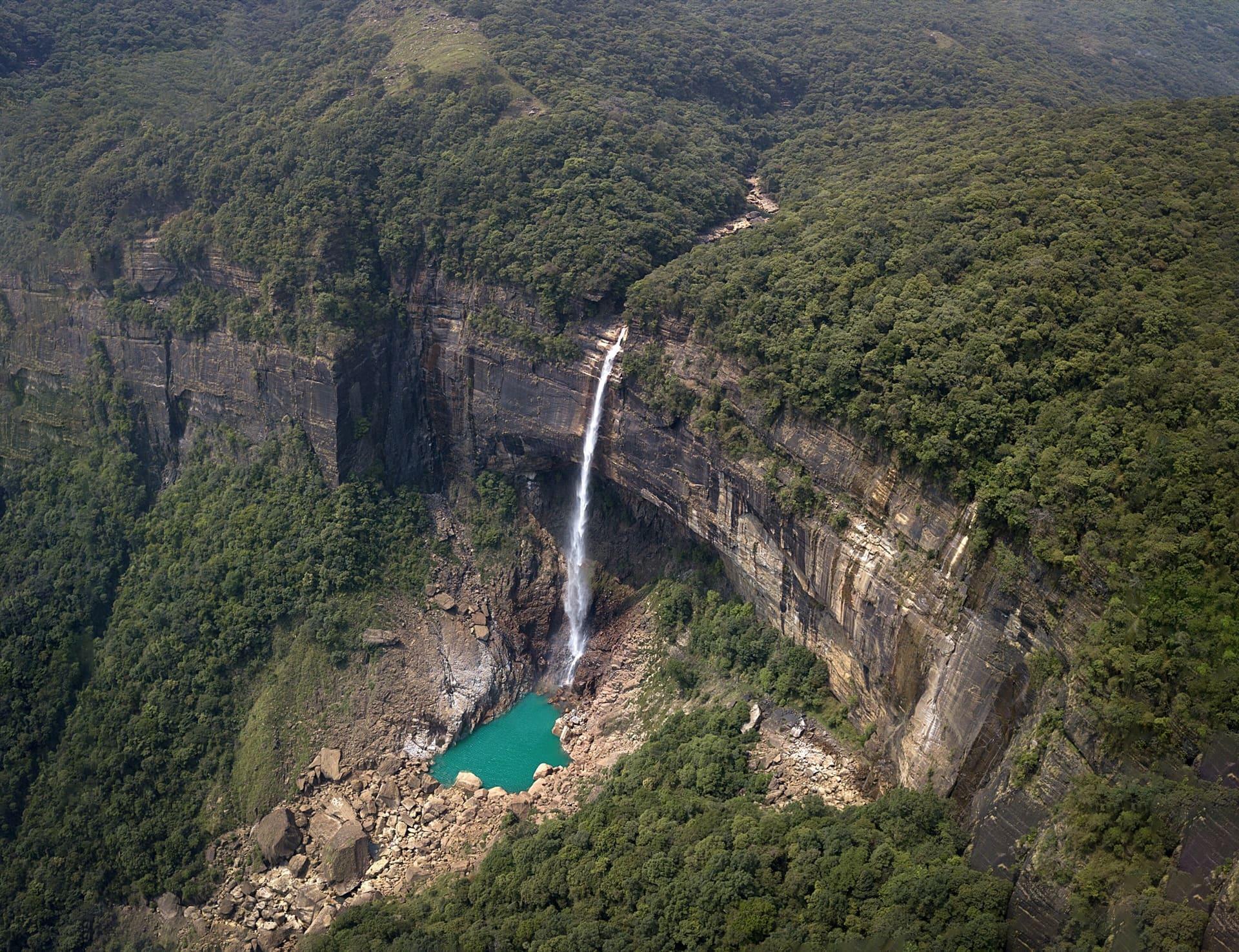
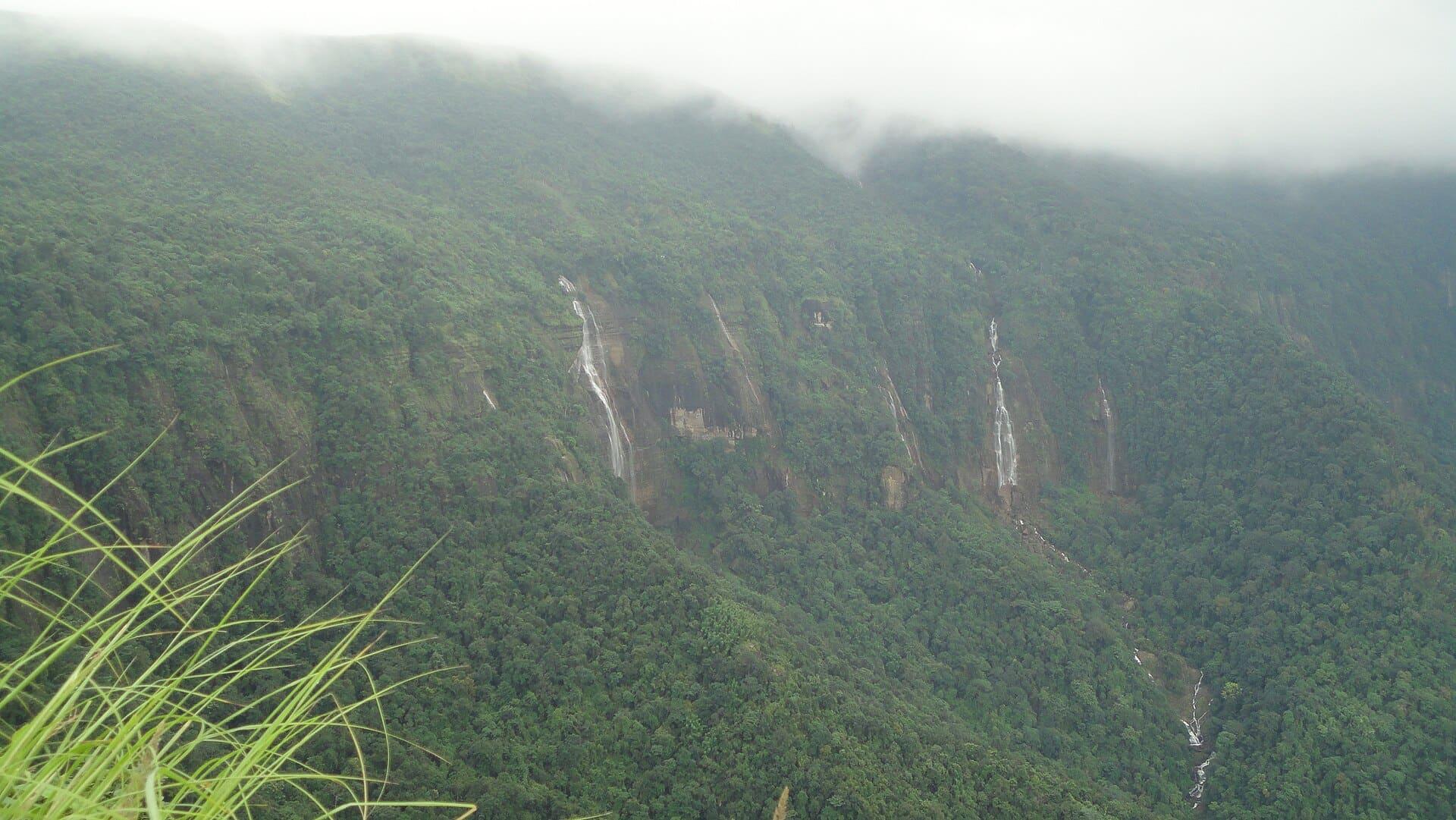
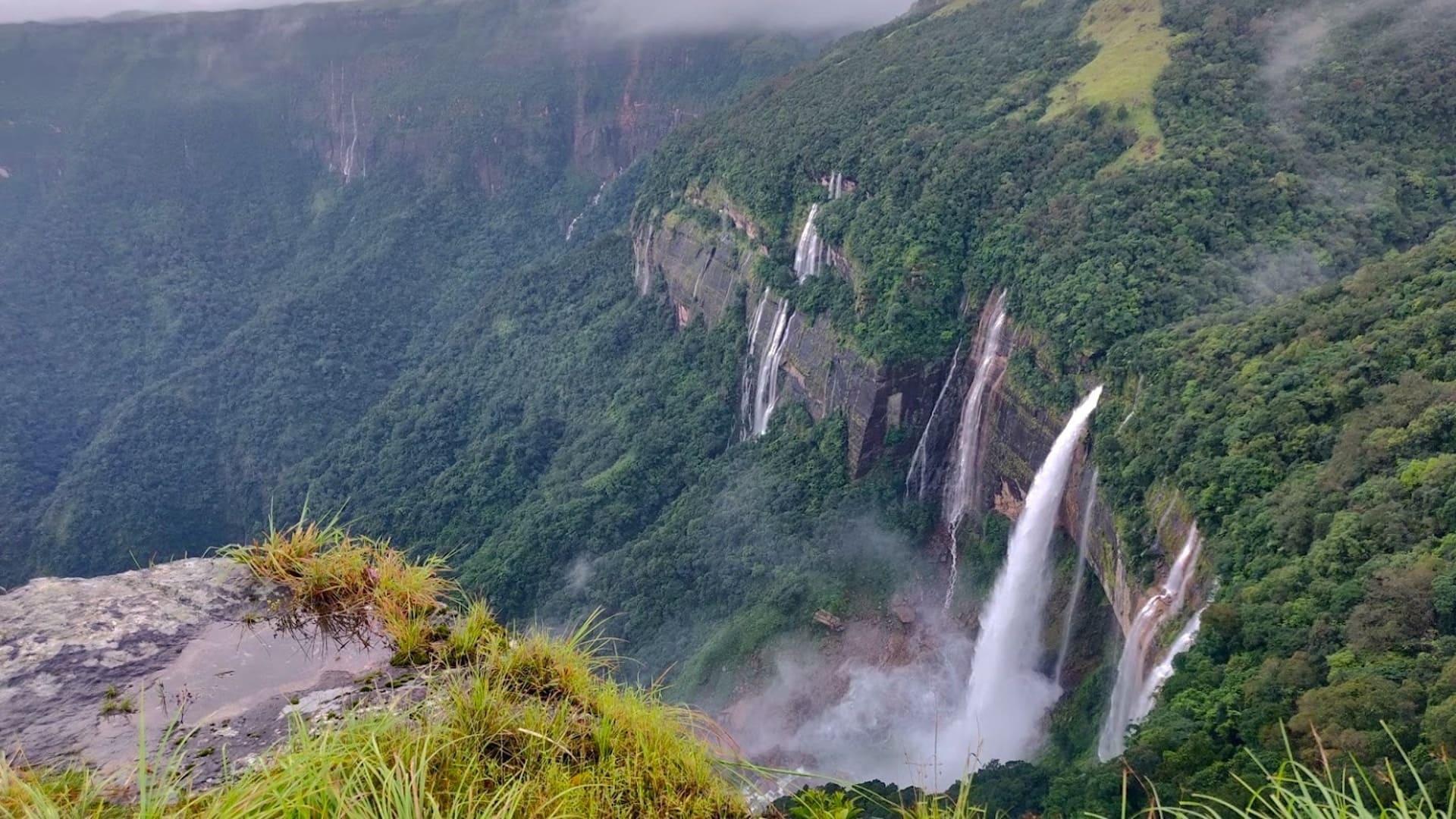
But the monsoon is when this place is itself. The waterfalls that are polite trickles in March are thundering white columns in July - Nohkalikai in full spate is genuinely frightening to stand near. The gorges fill with cloud that moves through the trees in front of you. Everything is a green you will not quite believe. There are fewer people. It costs less.
The trade is real: you will see less, because the cloud closes viewpoints for hours at a time, and some trails become genuinely unsafe. But if you are the kind of traveller who would rather feel a place than photograph it, monsoon in Meghalaya is one of the great experiences available in India.
One last thing
Leave the good shoes at home. Bring the ones you do not care about, accept on day one that you will be wet from about eleven in the morning, and stop fighting it. The moment you stop trying to stay dry, the whole trip improves.
My Nikes are in a cupboard. They are grey now. I keep them, honestly, as a reminder.