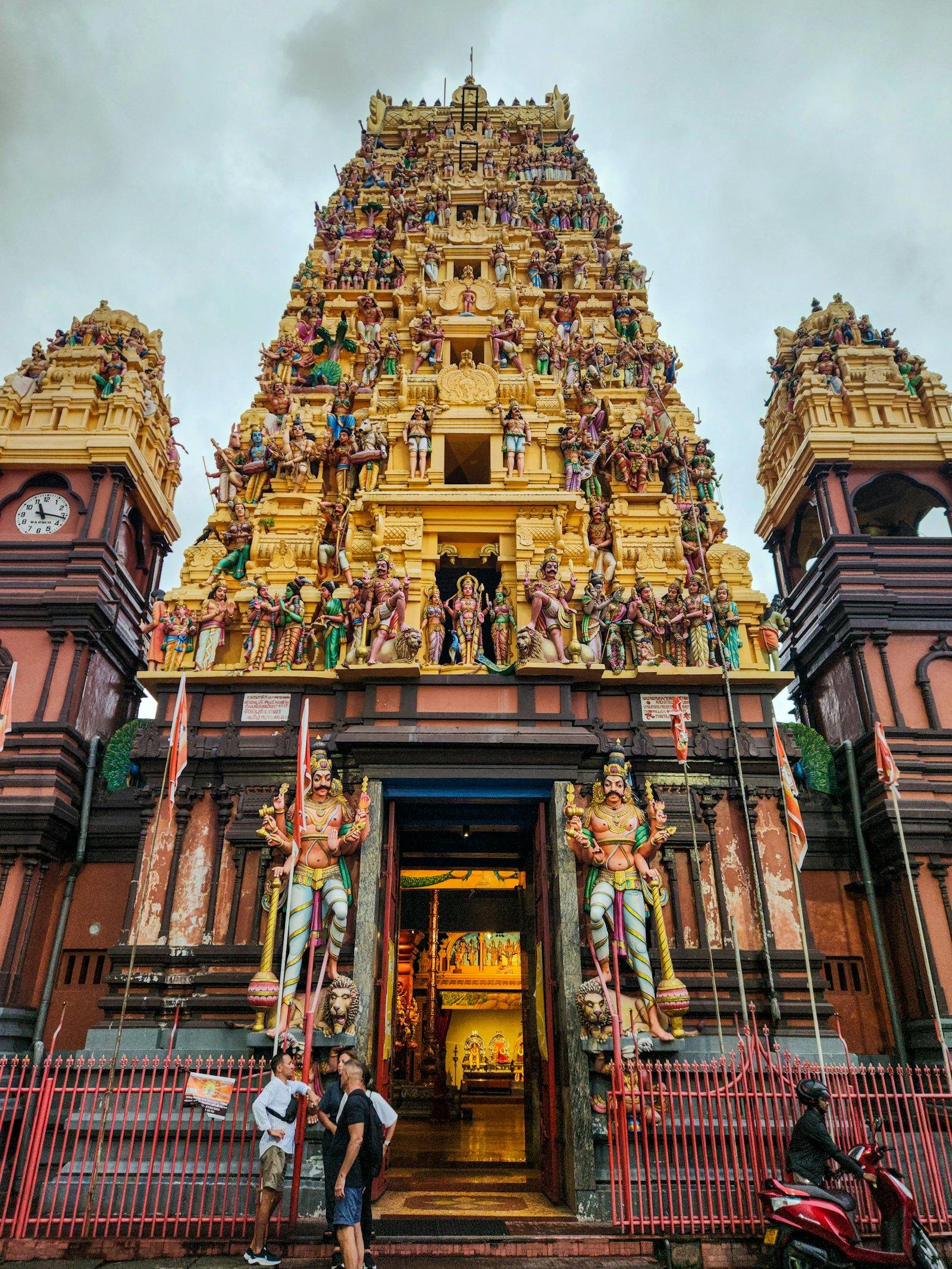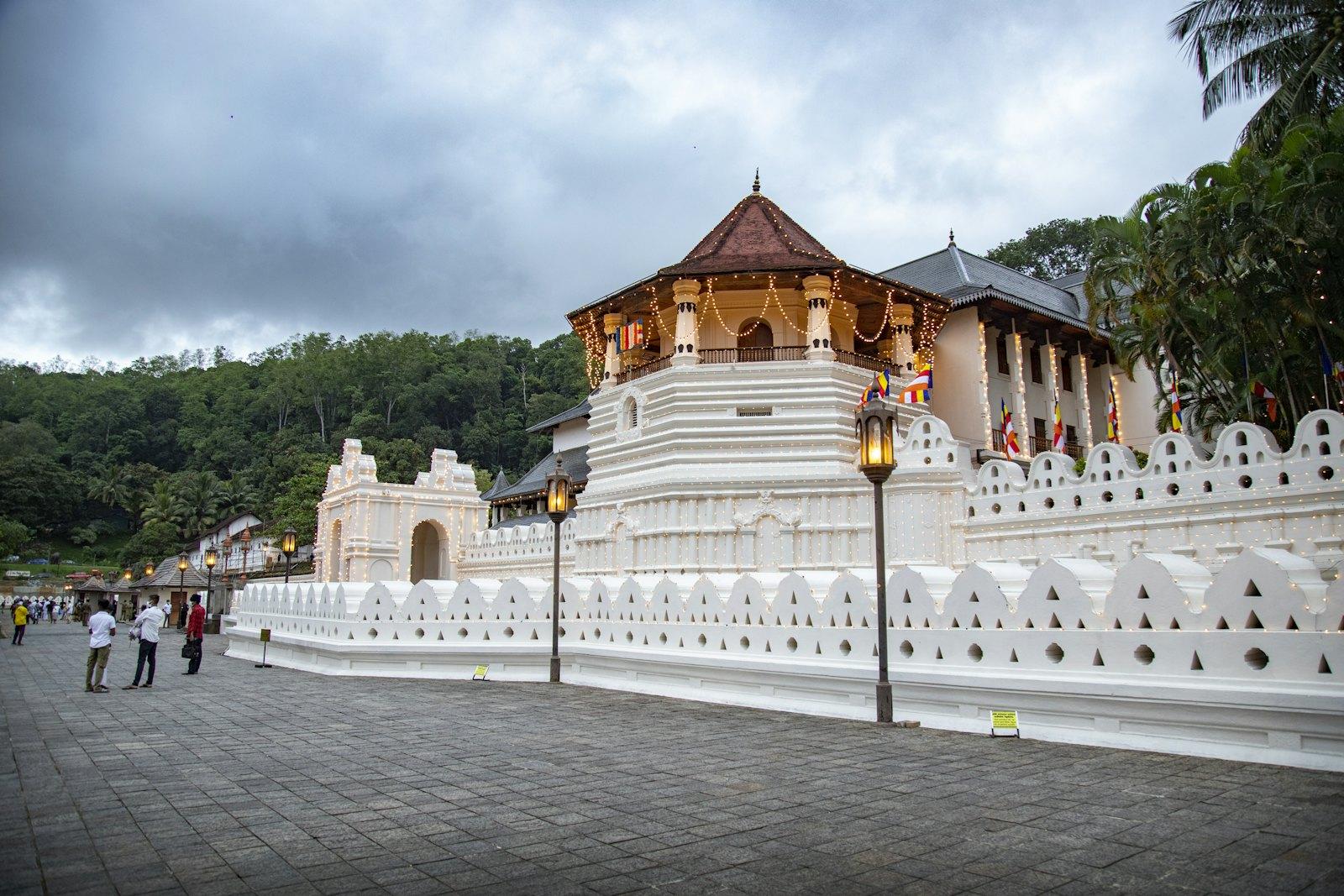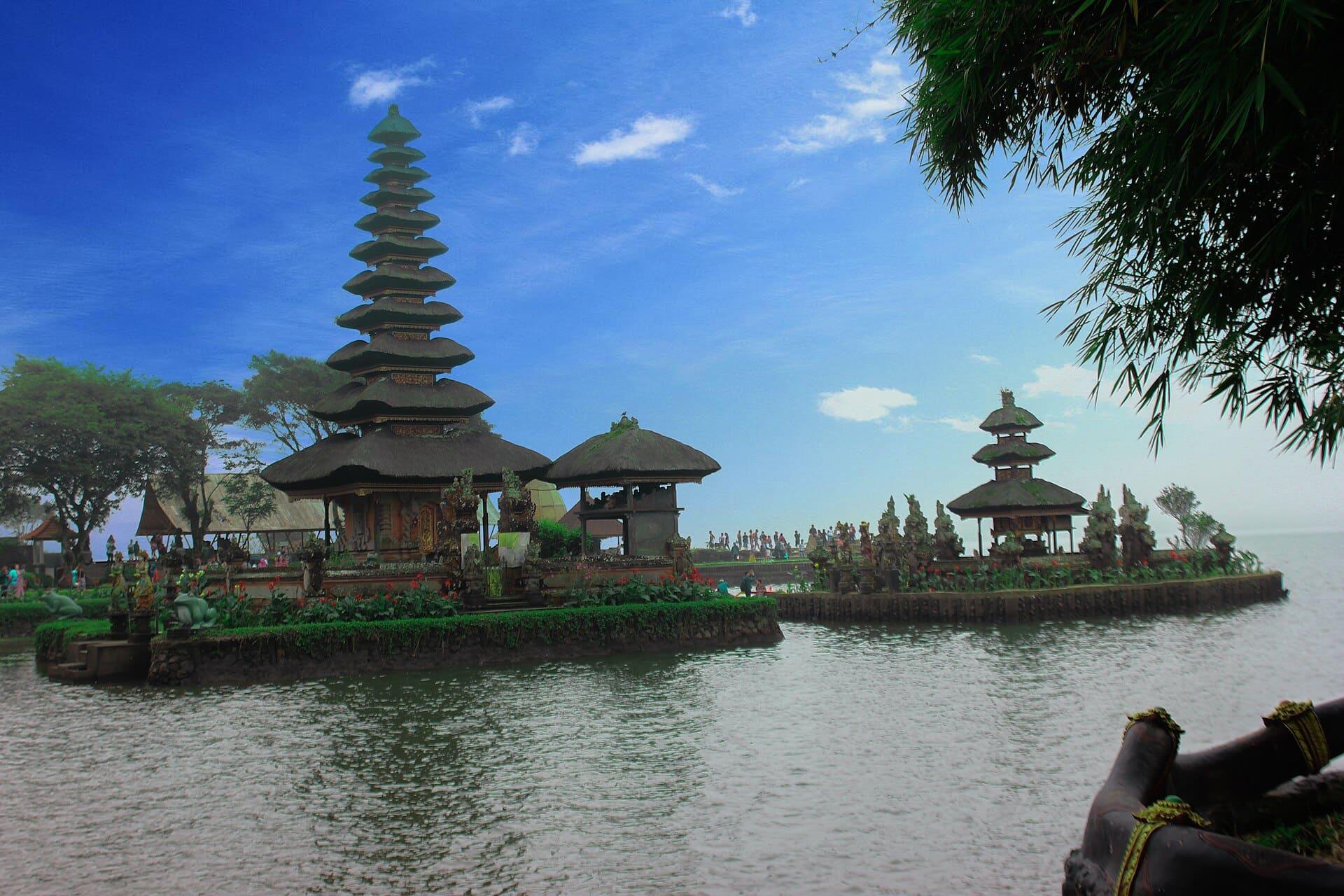
For most Indian travellers, Sri Lanka means beaches, tea and Kandy. It is also Lanka, the kingdom of Ravana. The second half of the Ramayana happens here.
Here Ravana held Sita, Hanuman searched for her, and the war was fought. Across the island, tradition ties temples, springs, gardens and rocks to specific moments in the story.
None of this is archaeology, and nobody on the ground pretends it is. These are places of living worship, some of them centuries old. Their link to the epic is a matter of faith and local tradition.
That is what makes them worth the trip. You are not looking at a site. You are standing where people have come to pray for a very long time.
This guide takes the places in the order a week on the road visits them. At the end are two shorter pieces: one on doing the trail with elderly parents, and one on the practical side of December.
Chilaw: Munneswaram and Manavari
The trail starts on the west coast, a couple of hours north of Colombo airport. That is handy. You can land in the morning and reach the first temple by lunch.
Munneswaram is an old Shiva temple complex. Rama is said to have prayed here for absolution after the war. He had killed Ravana, who was himself a Brahmin and a great devotee of Shiva.
A few minutes away is Manavari, home of the Ramalingam. Rama is believed to have installed this lingam and consecrated it with his own hands.
Trincomalee: Koneswaram and the Shankari Devi Shakti Peeth
On the east coast, Thirukoneswaram stands on Swami Rock above the Indian Ocean. It is one of the great Shiva temples of the island. Ravana himself is said to have worshipped here.
Within the complex is the shrine of Shankari Devi. Devotees who know Adi Shankaracharya's hymn to the eighteen Maha Shakti Peethas will know the name at once. The verse opens with Lankayam Shankari Devi - Shankari Devi, in Lanka.
Below the temple, the cliff drops straight into the sea. This is the one place on the trail where people tend to linger just for the view.
Just outside town are the Kanniya Hot Springs. These are seven small walled wells of warm water, each a slightly different temperature. Tradition links them to Ravana performing the last rites for his mother.
Ramboda: where Hanuman searched
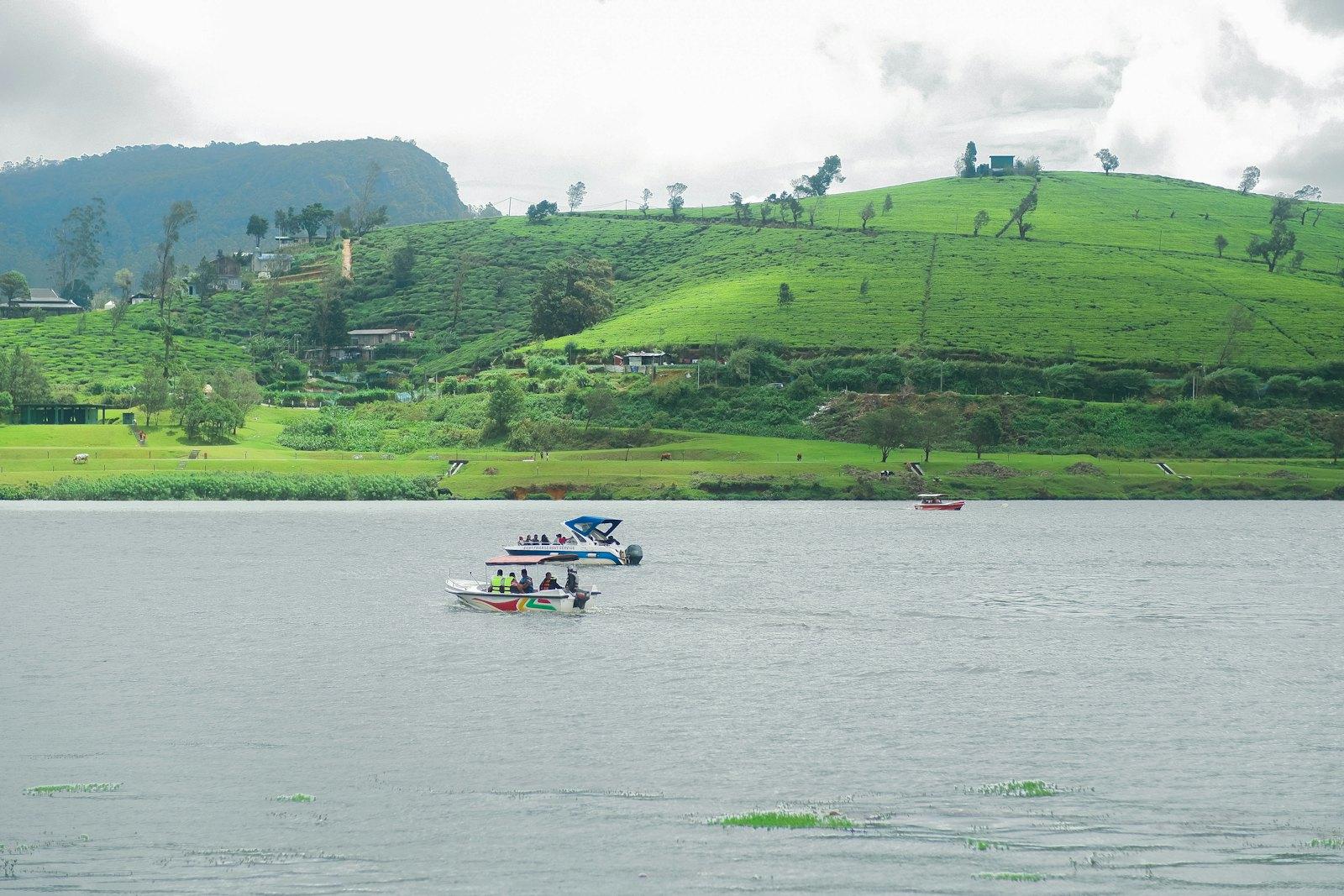
From Kandy, the road climbs into the hill country through tea estates for most of a morning. At Ramboda, on a hillside above the valley, stands the Sri Bhaktha Hanuman Temple. The Chinmaya Mission built it on ground where Hanuman is believed to have searched for Sita.
The murti looks out over the valley, and so do you. Ramboda Falls is a few minutes further along the same road.
Nuwara Eliya: Ashok Vatika and Seetha Amman
This is the heart of the trail. At Sita Eliya, just outside Nuwara Eliya, stands the Seetha Amman Temple. Tradition names this spot as Ashok Vatika, the grove where Ravana kept Sita captive.
The temple is small and colourful, set on a stream. On the rock face across the water are round hollows. Local tradition calls them Hanuman's footprints.
Next door are the Hakgala Botanical Gardens. The story names these slopes as Ravana's pleasure gardens. Nearby is the Gayathri Peedam, a temple to the goddess Gayathri.
Most people who make this journey say this is the day that stays with them.
Divurumpola: the place of oath
Divurumpola is near Welimada. Here Sita is said to have undergone the Agni Pariksha, the trial by fire, to prove her purity.
The name means place of oath, and that is not only history. Villagers still come here to swear oaths, and people take them seriously.
It is a small, quiet temple and easy to miss. It should not be.
Ravana Falls: the waterfall and the cave
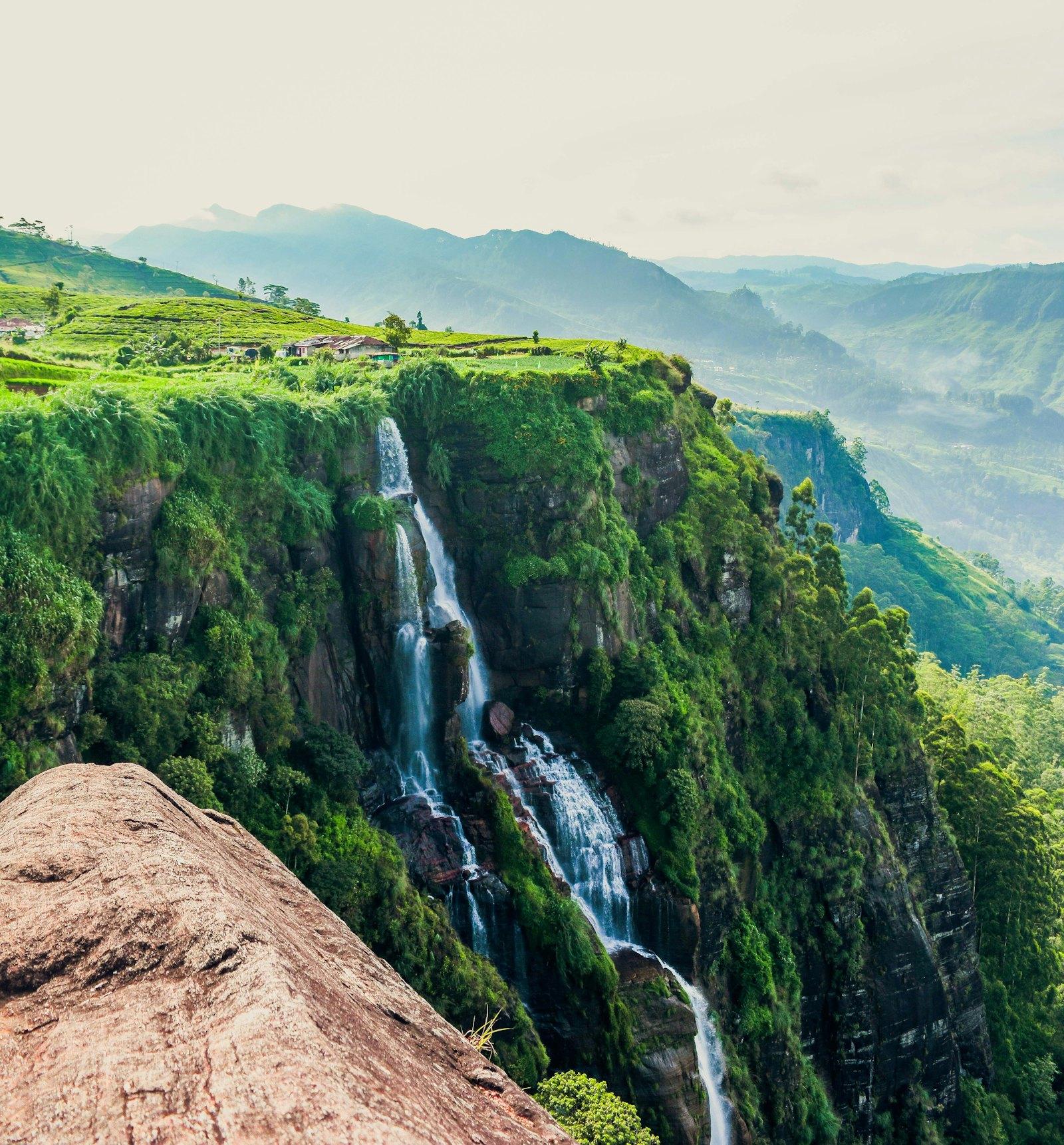
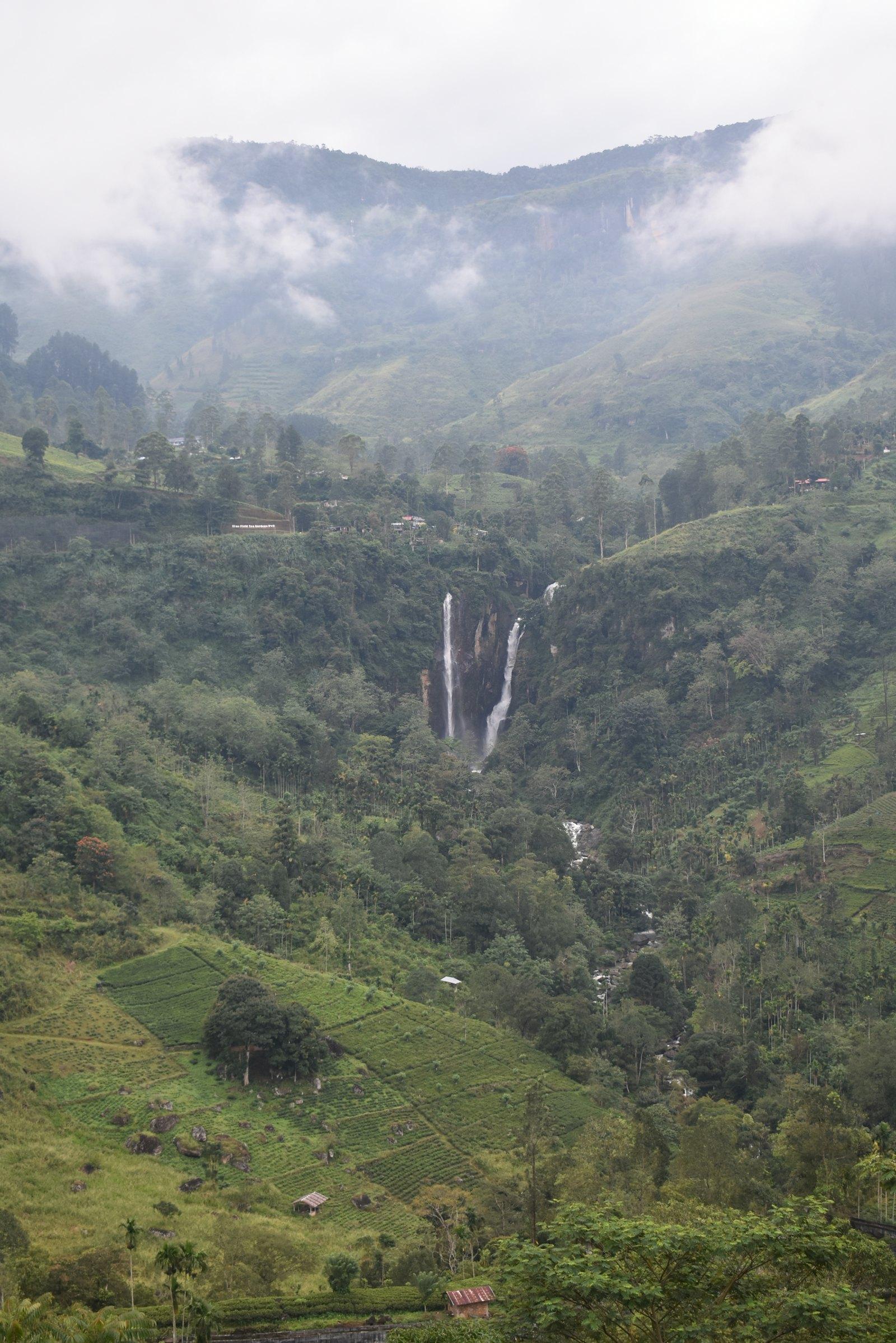
Ravana Falls sits on the road down from the hills towards Ella. It is a tall fall straight off the rock beside the highway.
Tradition holds that Ravana hid Sita for a time in the caves behind the falls. You can see it from the roadside without leaving the vehicle.
Kelaniya: where Vibhishana was crowned
The trail ends back in Colombo. Kelaniya Raja Maha Vihara stands on the river north of the city. It is one of Sri Lanka's most important Buddhist temples.
In Ramayana tradition, it is also where Ravana's brother Vibhishana was crowned king of Lanka after the war. A shrine to Vibhishana stands within the complex. The murals inside the temple are among the finest on the island.
Colombo also has the Panchamuga Anjaneyar Temple at Kalubowila. It is dedicated to Hanuman in his five-faced form. It makes a fitting last darshan.
How long it takes
These places spread across the whole island: west coast, east coast, the hill country and back. So it is a week, not a long weekend.
Six nights is enough for an easy pace. That means a night on the east coast, one in Kandy, two in the hills and two in Colombo.
That is the shape of our Ramayana Trail, 6N/7D. It has a private van and driver throughout, half board, and every temple reached by road.
For everything else Sri Lanka offers, see our Sri Lanka destination page, or tell us what you have in mind.
Two shorter guides sit under this one: doing the trail with elderly parents, and the practical side of Sri Lanka in December.