Most people go to Goa for the beaches and the parties. On our latest trip we went looking for a different Goa, and found it.
We walked among the great churches of Old Goa and the painted lanes of Fontainhas in Panjim. Then we went south, to kayak on the lagoon at Cola Beach and watch the sun go down from the old fort at Cabo de Rama.
Old Goa: the great churches
Old Goa was once the capital of Portuguese India. Its churches and convents have been a UNESCO World Heritage Site since 1986.
The city was built by the Bijapur Sultanate in the 15th century. Afonso de Albuquerque took it for Portugal in 1510. At its height it was called the Rome of the East, for its many churches.
Then came malaria and cholera in the 17th century. In 1759 the viceroy moved to Panjim, and in 1843 Panjim became the capital in name too. What stands today is mostly the churches.
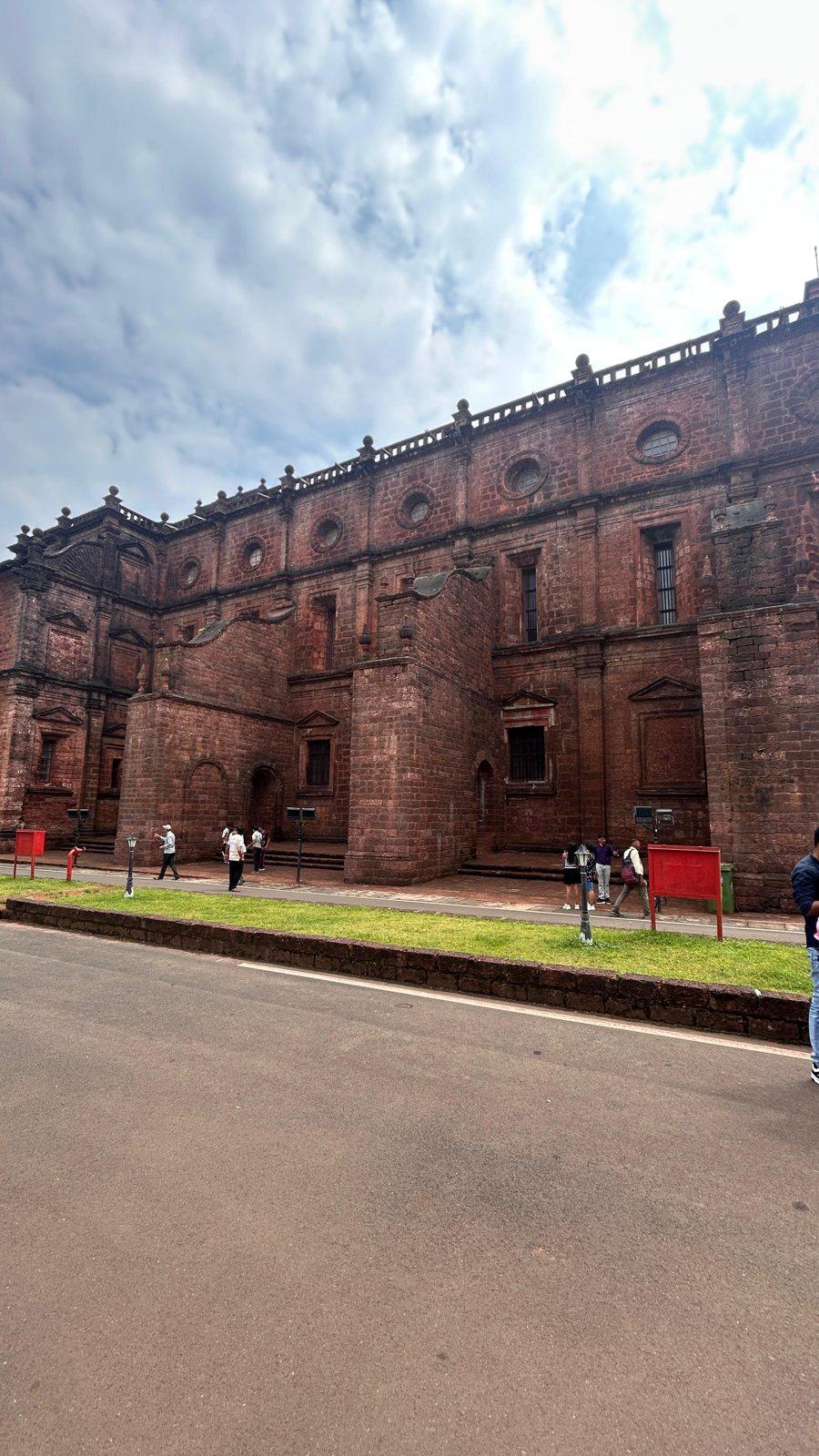
The Basilica of Bom Jesus, in red laterite stone, holds the tomb of St Francis Xavier. It was begun in 1594 and consecrated in 1605. His remains have lain in a silver casket since 1655.
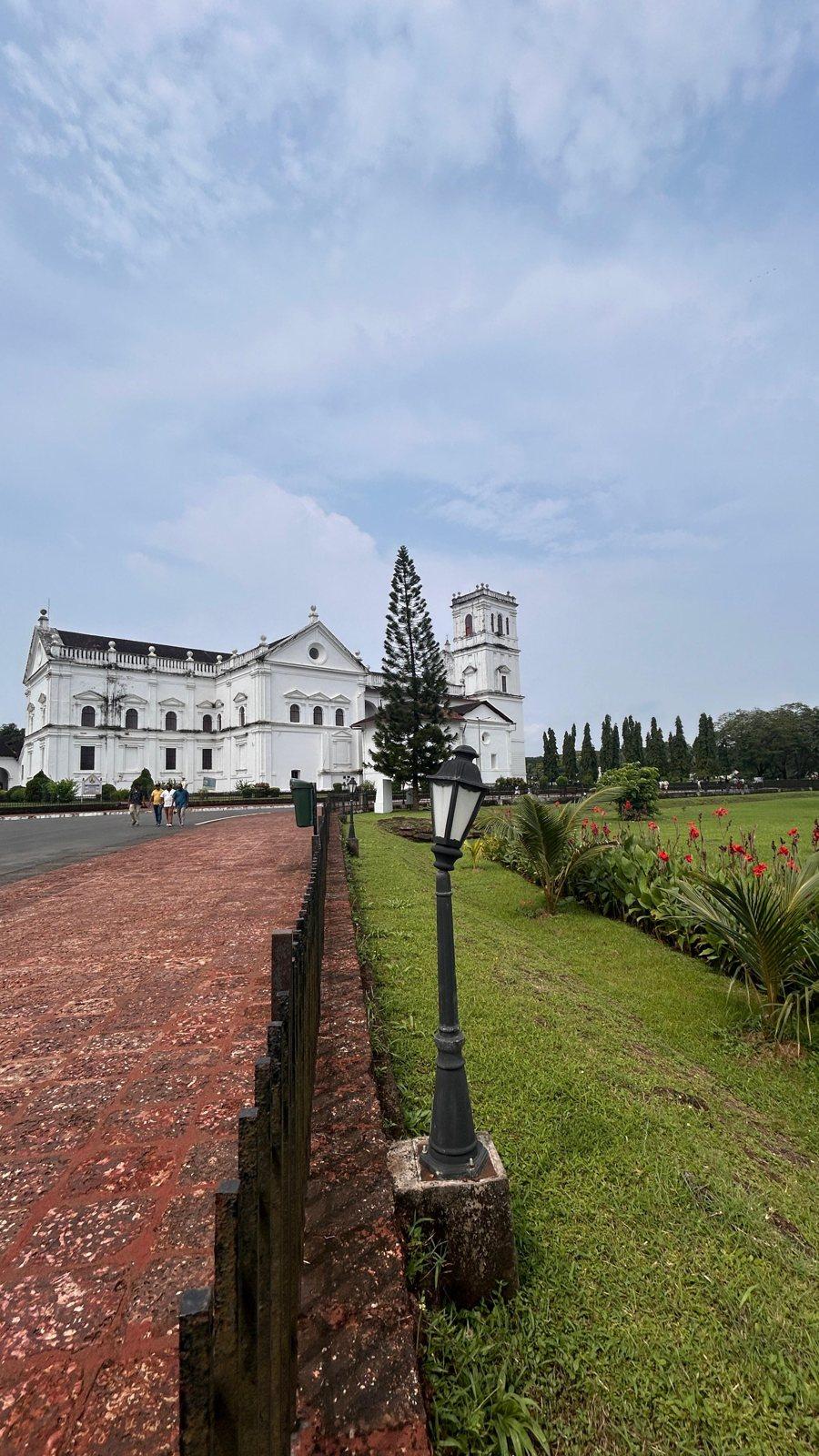
Across the road stands the Se Cathedral, bright white and one of the largest cathedrals in Asia. It is dedicated to St Catherine, and work on the present building began in 1562.

More to see in Old Goa
The UNESCO site is more than two churches. It also takes in the Church of St Francis of Assisi, the Chapel of St Catherine and the Church of St Cajetan, whose front copies St Peter's in Rome.
One tall broken tower is all that is left of the Church of St Augustine. These buildings carried European church styles out across Asia, wherever the missions went.
Every ten years, the remains of St Francis Xavier are put on show for pilgrims. The last time was from November 2024 to January 2025. His feast falls on 3 December each year, and Old Goa fills up in the days before it.
Fontainhas: the painted Latin Quarter
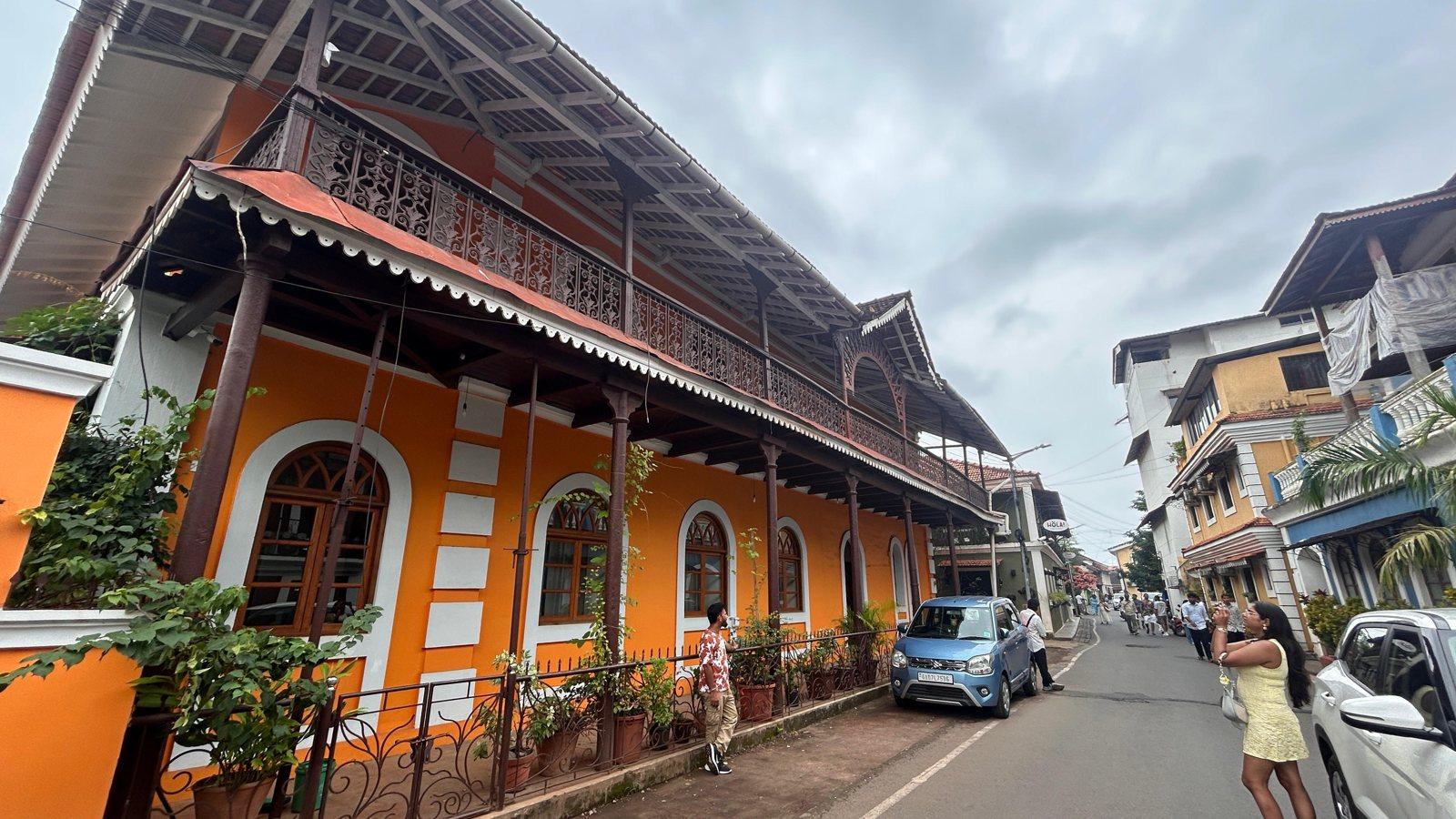
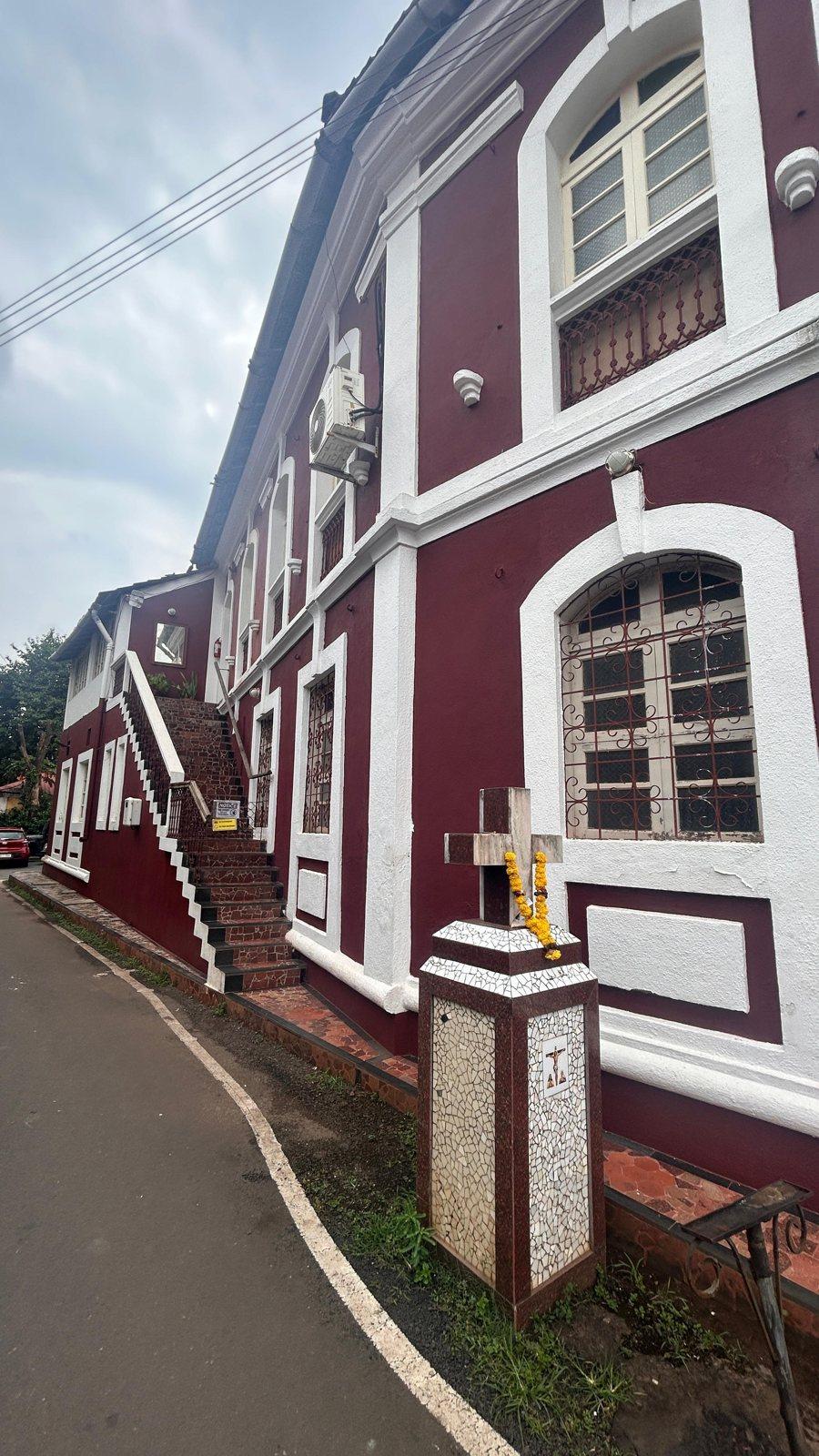
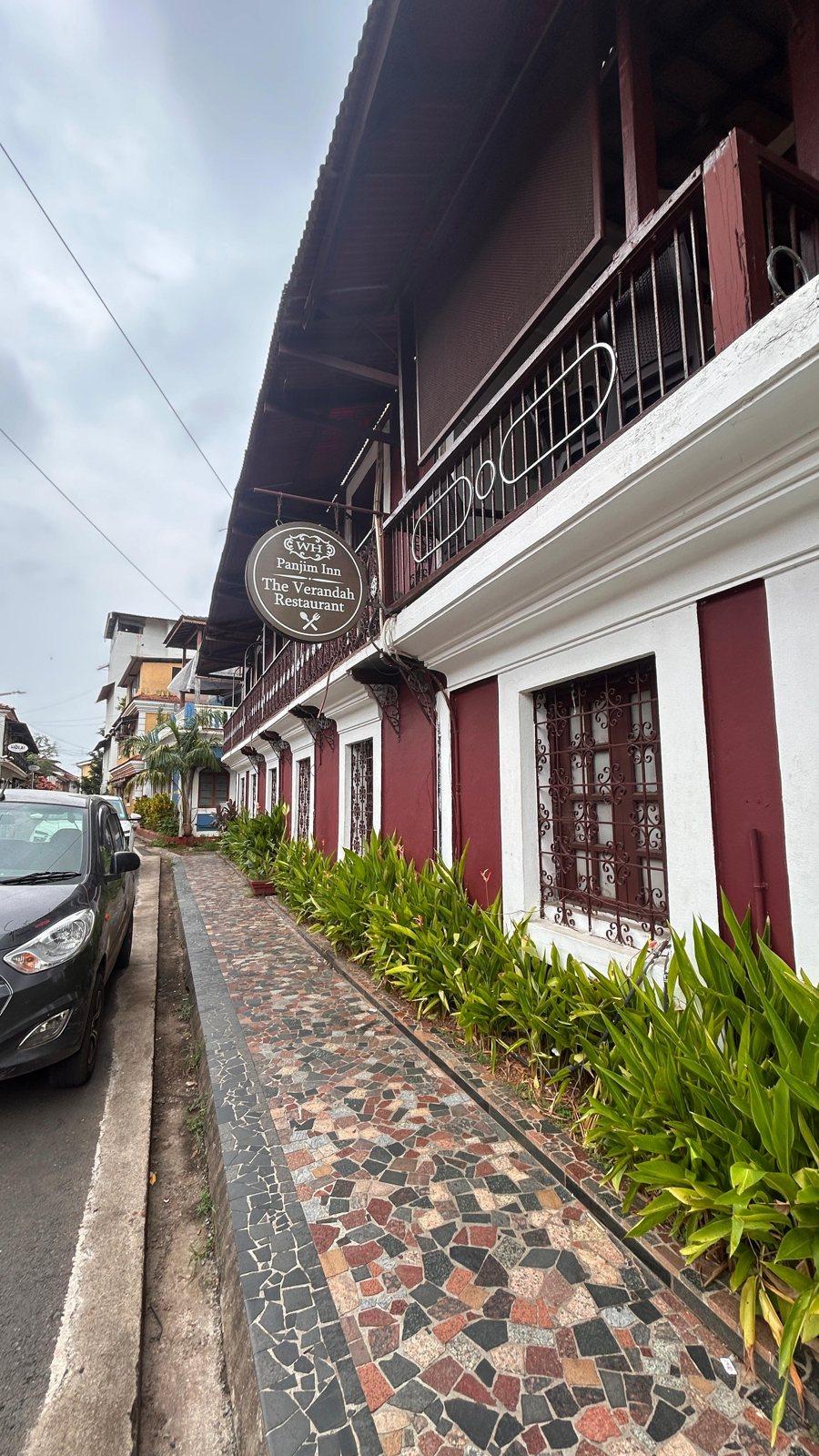
In Panjim, Fontainhas is the city's oldest Latin Quarter. Its old Portuguese-style houses are painted in bold colours: mustard, red, indigo and more. By custom they are repainted after each monsoon. Under Portuguese rule, it was the law.
The quarter began in the late 18th century. A Goan called Antonio Joao de Sequeira made his money in Mozambique and came home to plant coconuts here. The name means little fountain, after a spring at the foot of the hill.
Look for the street names, painted on Portuguese-style tiles called azulejos. At the southern end stands the small Chapel of St Sebastian, from 1818. Its large crucifix once hung in the Palace of the Inquisition in Old Goa.
It is a place to wander slowly, with a camera. Please be kind to the people who live here: these are homes, not a film set.
Walk it on foot, in the cool of the morning. Old Goa and Fontainhas fit easily into one day. In February the old houses open for an arts festival. Panjim's Church of Our Lady of the Immaculate Conception, first built in 1541, is in the same city.
Cola Beach and the lagoon
Down in South Goa, in the Canacona area, Cola Beach is a quieter world. A calm lagoon runs right alongside the sea, kept apart from it by a bar of sand.
There are no big hotels or beach clubs here. Places to stay are mostly tents and cottages near the sand.
We took out a kayak on the lagoon. The water is calm, so it suits beginners, and you can take a single or a double kayak.
Sunset at Cabo de Rama
Cabo de Rama is an old fort on a headland above the Arabian Sea. Legend says Rama sheltered here during his exile, which is how it got its name. The Portuguese took it in 1763, and a small chapel inside is still in use.
The fort changed hands many times before that. The Portuguese took it from the Raja of Sonda and rebuilt it. Its rusty cannons are from their time. Later the fort was a prison, until 1955.
The western wall looks out over the Arabian Sea. We stayed for the sunset, and it was mesmerising.
The fort is south of Madgaon, along a winding hill road by the sea. Goa Tourism advises arranging your own transport.
Getting to Goa
Goa has two airports. Dabolim is the older one. The newer Manohar International Airport, at Mopa in the far north, opened in December 2022.
For Cola and Cabo de Rama, the south is closer. By train, Madgaon is the big station on the Konkan Railway. Canacona, further south, has a station too.
When to go
The monsoon runs from June to October, with heavy rain and strong winds. The sea is rough then.
From October to March the weather is dry and pleasant. Carnival brings parades to the streets in February.
The days around the feast of St Francis Xavier, on 3 December, are busy at Old Goa.
If you go
October to March is the best time, when the weather is good and the lagoon and sea are calm.
Give South Goa at least a couple of days. It is quieter than the north.
To plan your own Goa trip, tell us your dates on Plan My Trip.

About the writer
Shrawani
Shrawani is an avid traveller. She writes about the trips she takes, in India and abroad.