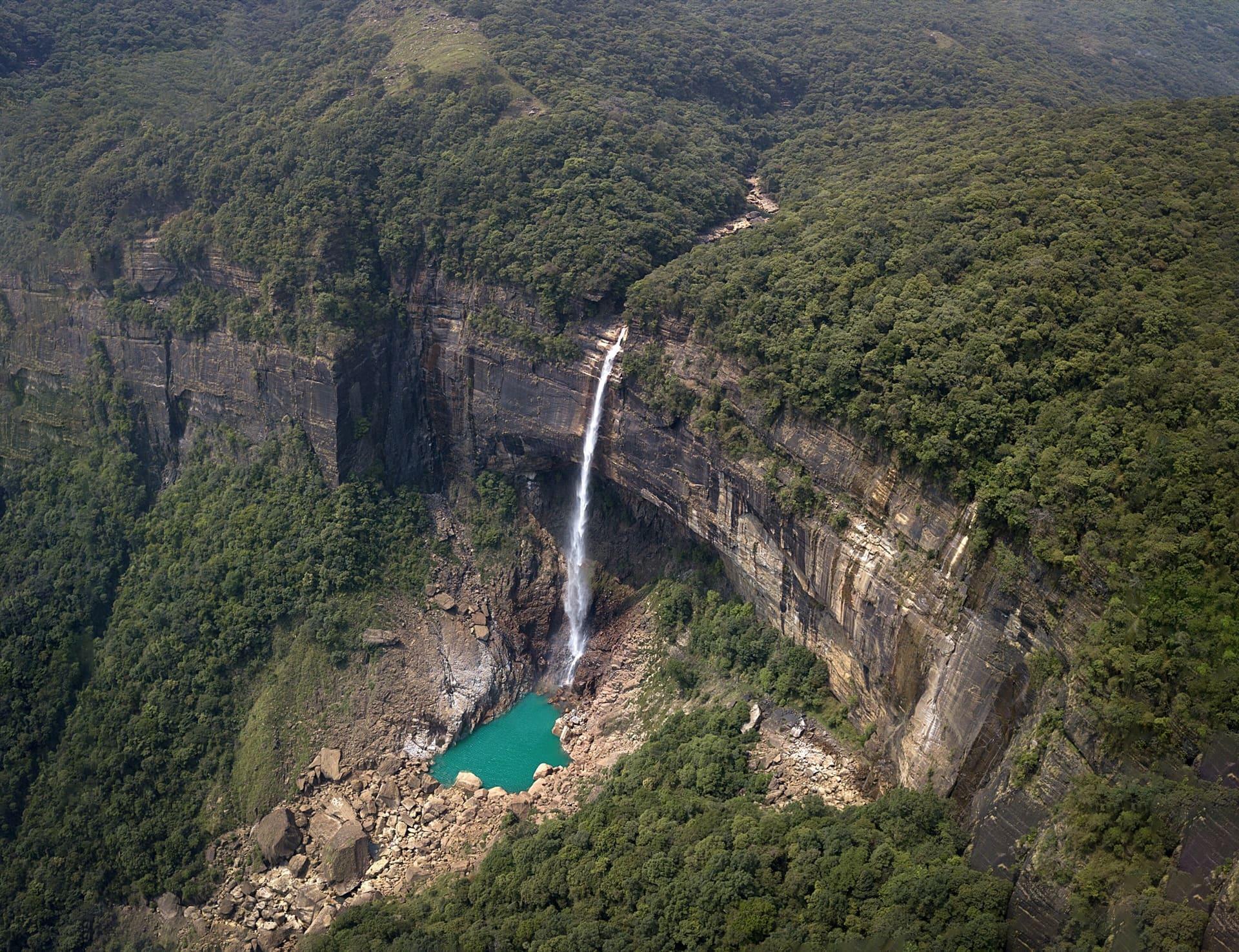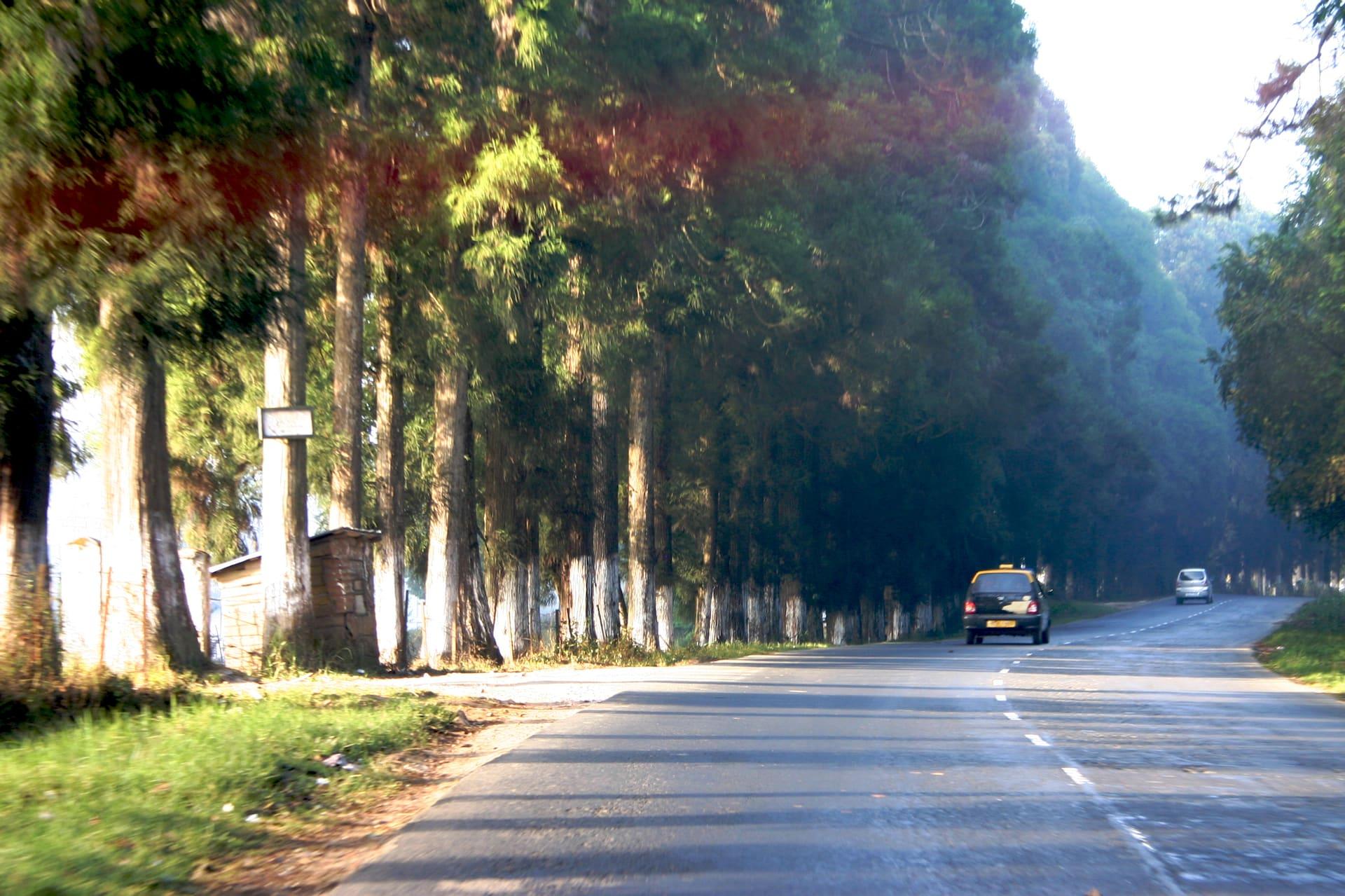
Nobody comes to Sohra for the stars. You come for rain, for waterfalls, for the root bridges down in the gorge. The sky is not on the brochure, largely because for a good half of the year there is no sky at all - just a grey ceiling sitting on the plateau, close enough to touch.
But the rain here does not fall continuously. It falls hard and then it stops, and sometimes when it stops in the night the entire cloud deck lifts off the plateau at once, and what is underneath is the best night sky I have stood under in this country.
Why it is so good here
Two reasons, and they are both accidents. The first is that Sohra sits at about 1,400 metres on an open plateau with no trees to speak of and no hills behind it - you get the full dome, horizon to horizon, which almost nowhere else gives you.
The second is darkness. There is no city here. Shillong's glow is a faint smudge behind you to the north and that is the extent of the light pollution. To the south, where you are looking, is a cliff and then the plains of Bangladesh a long way below and a long way off. Between you and the horizon there is essentially nothing making light.
And the rain washes the air. That is the bit people underestimate. After a storm the atmosphere over the plateau is scrubbed of dust and haze in a way that the dry-season sky over most of India simply never is.
What you actually see
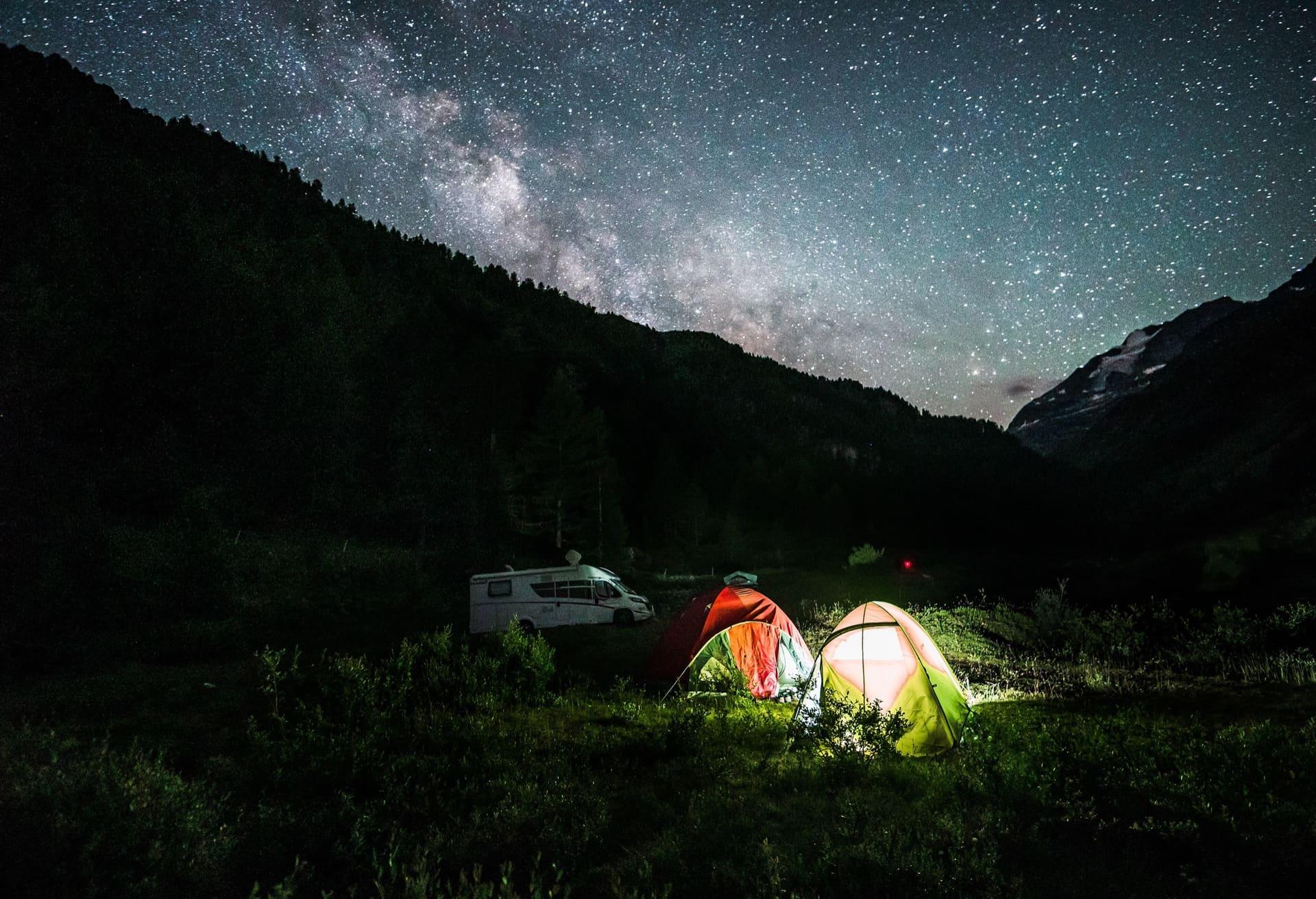
The Milky Way, unambiguously - not a suggestion of it, but a textured band with dark lanes in it running right across the middle of the sky. On a good night in the winter months it is bright enough to be obvious the moment you step outside, before your eyes have adjusted at all.
Give it twenty minutes in full dark and the sky fills in. It stops being a scattering of individual stars and becomes a surface, dense and slightly grainy, with the brighter ones sitting on top of it. Satellites cross. Shooting stars are common enough that you stop announcing them.
And it is quiet in a specific way. There is no traffic. What you hear is water - the falls off the cliff edge, running constantly, kilometres away and still perfectly audible - and wind moving over open grass. That is the entire soundtrack.
How to give yourself the chance
Come between November and February. This is the opposite of the advice you will get for waterfalls, and you have to choose: monsoon gives you thunderous falls and almost no sky, winter gives you a thinner cliff-face and the whole galaxy. I would take winter, and I say that as somebody who loves the rain here.
Stay outside the town. Bah Lambok, who runs one of the homestays out past the Nohkalikai turn-off, will knock on your door if the cloud lifts after midnight, which is the single most useful hospitality I have encountered anywhere. Sohra proper has streetlights; the resorts and homestays out along the plateau, towards Laitkynsew or past the Nohkalikai turn-off, do not. Check the moon before you book - a full moon will wash out everything, and a new moon is worth planning a trip around.
Then go outside at around ten, let your eyes adjust for a full twenty minutes without looking at a phone, and lie down. Standing up and craning your neck for an hour is how you waste it.
The bit I did not expect
I have watched clients go quiet up there, which does not happen often on a trip. Something about that much visible sky over that much empty dark plateau, with the sound of falling water and nothing else, resets people slightly.
It is also, and I mean this practically, cold. The plateau at night in January gets down near single digits and the wind has nothing to slow it. Carry more layers than you think you need, take a flask of tea out with you, and give it an hour. Nobody has ever told me afterwards that it was not worth it.