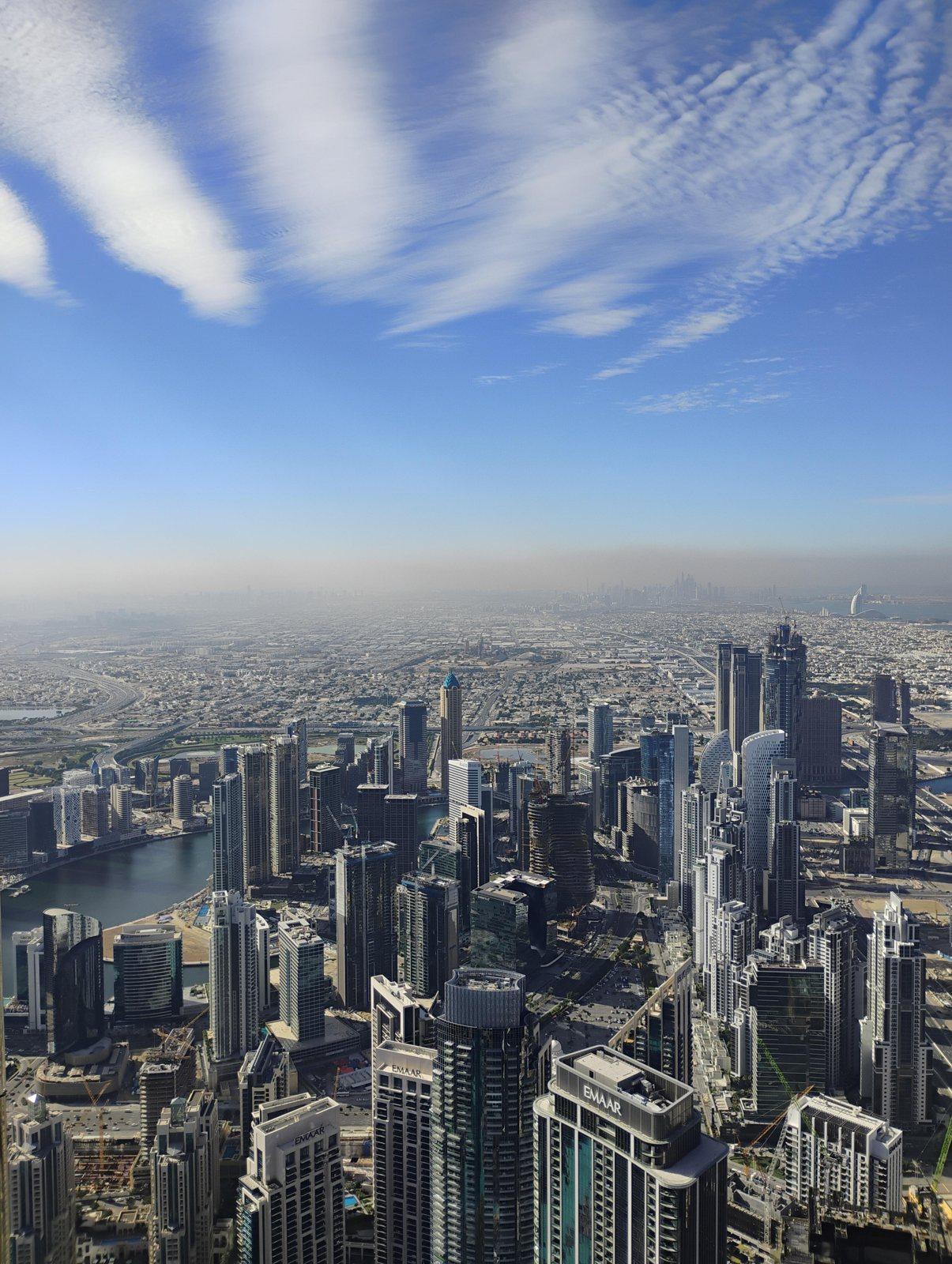

We went to Baku, the capital of Azerbaijan, over the festive season. The streets were full of Christmas lights and colour, and it made the whole trip much more fun.
For us it was the best time of the year to go. Here is what we saw.
Getting there from India
Baku sits on the Caspian Sea. There is no direct flight from Guwahati, so you will change planes at least once. That might be in a bigger Indian city, or in Dubai or Istanbul, which both have flights to Baku. Routes change often, so check when you plan.
Where oil drilling began
Oil is Baku's story. In 1846 a well was drilled at Bibi-Heybat, just outside the city. Azerbaijan calls it the world's first industrially drilled oil well, thirteen years before the famous Drake well in the United States.
A hillside that never stops burning
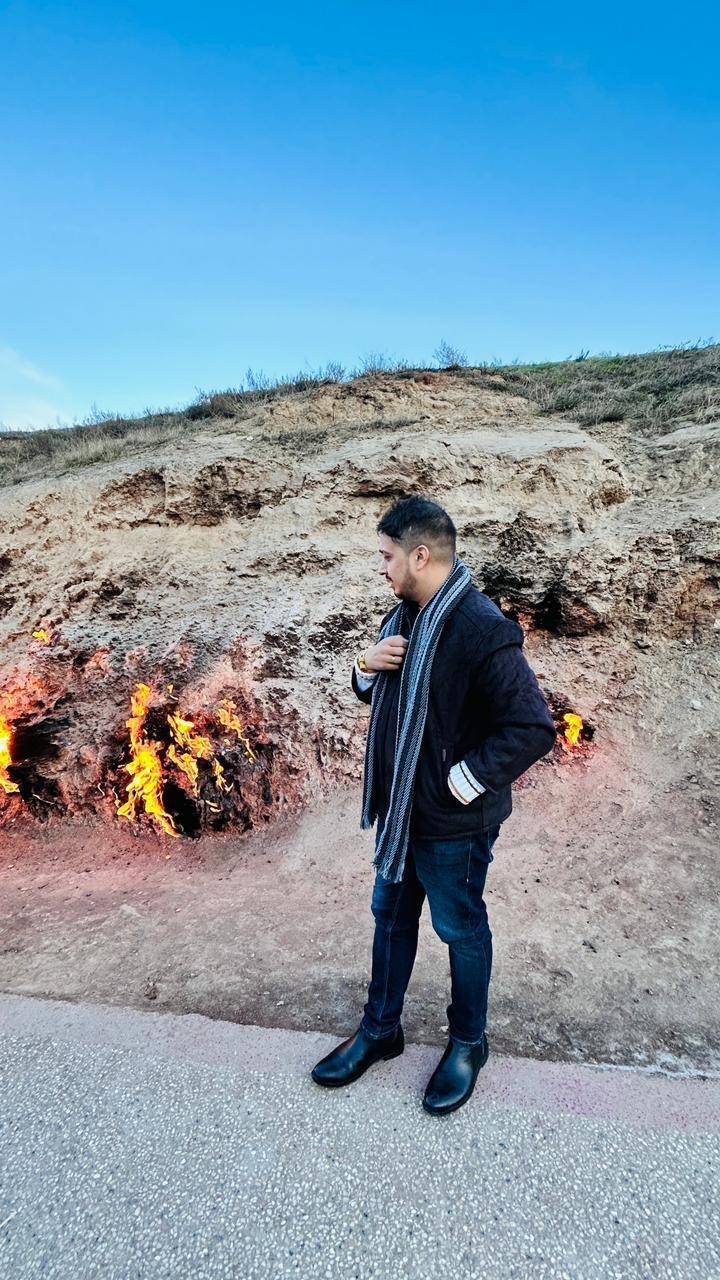
Outside the city is Yanar Dag, where natural gas seeping from the hillside burns in a long line of flames.
A fire temple with an Indian past
Fire here has a long link with India. At Surakhani, on the edge of Baku, stands the Ateshgah, a fire temple built in the 17th and 18th centuries. Hindus and Sikhs worshipped here, and most of its old stone inscriptions are in Sanskrit or Punjabi.
Its flame once came straight from the ground. It went out in 1969, as gas was drawn off from below, and today it burns on piped gas. The temple has been a museum since 1975.
The mud volcanoes
Azerbaijan has more mud volcanoes than any other country. By some counts, it has nearly half of all the mud volcanoes in the world. They are one more sign of the oil and gas that lie under this land.
We went out to see them. They are not tall and fiery like the volcanoes you picture. They are cones of grey mud that bubble up out of the ground.
The best-known ones, at Dashgil, are about an hour and a half's drive from Baku, near Gobustan.
Gobustan rock art
Gobustan is a stony plateau rising out of the semi-desert. It holds more than 6,000 rock carvings, and UNESCO lists it as a World Heritage Site for what they tell us about 40,000 years of human life here. Since it lies close to the mud volcanoes, the two fit well into one day out.
The Old City
At the heart of Baku is the Old City, Icherisheher, a walled town of stone lanes around the Maiden Tower. UNESCO listed it in 2000, together with the Palace of the Shirvanshahs and the Maiden Tower. It was Azerbaijan's first World Heritage Site.
The Maiden Tower is about 30 metres tall. Much of it is thought to date from the 12th century, though some scholars argue it is far older. Inside is a museum on Baku's past, and from the roof you look out over the Old City and the bay.
The Palace of the Shirvanshahs was built in the 15th century by the shahs who ruled this region. Behind its walls are the palace, a mosque, royal tombs and the remains of a bathhouse. It is now a museum.
A Formula 1 track through the streets
Baku has its own street circuit. The Baku City Circuit runs 6 km through the city. Formula 1 has raced on it since 2016, first as the European Grand Prix and then as the Azerbaijan Grand Prix.
Part of it squeezes right past the walls of the Old City. At its narrowest the track is only 7.6 metres wide.
The skyline and the Flame Towers
Baku's skyline is a mix of old and very new. The three Flame Towers have stood over the city since 2012, shaped like flames. The tallest is 182 metres high.
After dark, more than 10,000 lights turn the towers into giant screens. The show moves from leaping flames to the colours of the national flag.
The Heydar Aliyev Center, designed by Zaha Hadid, looks like a white wave frozen in place.
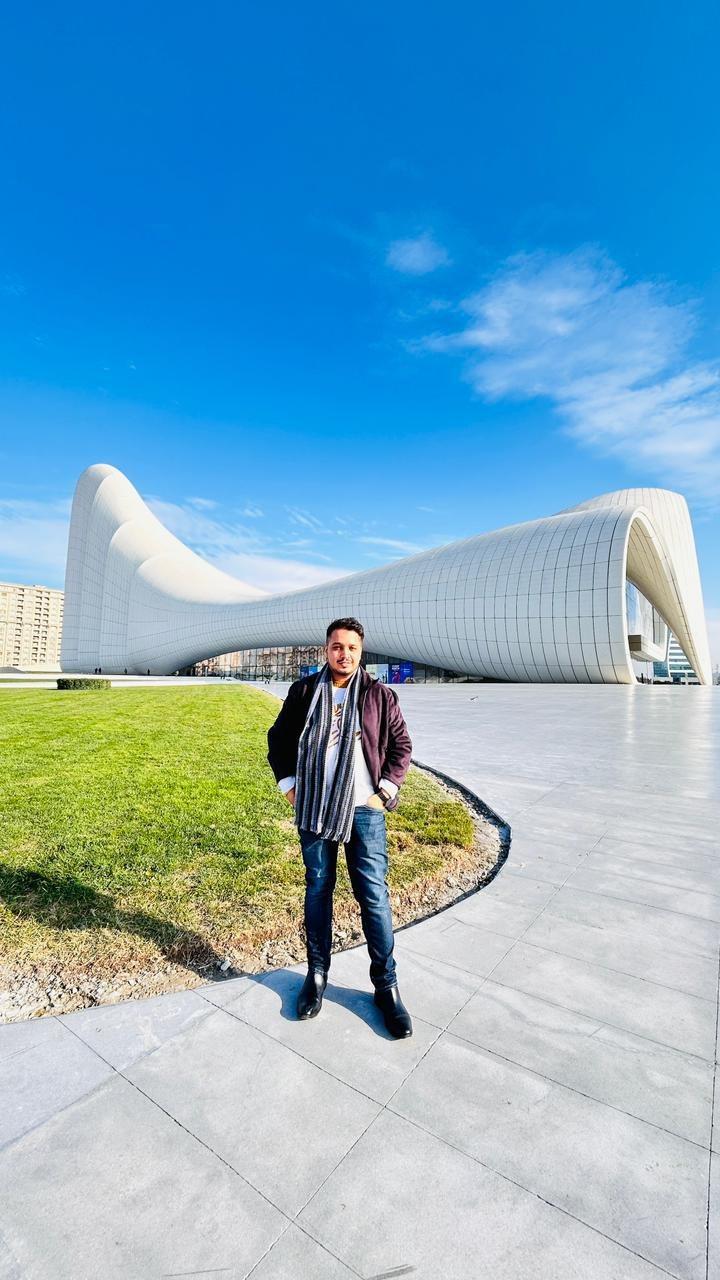
From the viewpoints above the bay, you see it all together: the sea, the old town and the new towers.
A Soviet metro, deep underground
Baku's metro opened in 1967, in Soviet times. The central stations are very deep, and the escalators seem to go on for ever.
Built at the height of the Cold War, the deepest stations are said to have been made to double up as bomb shelters.
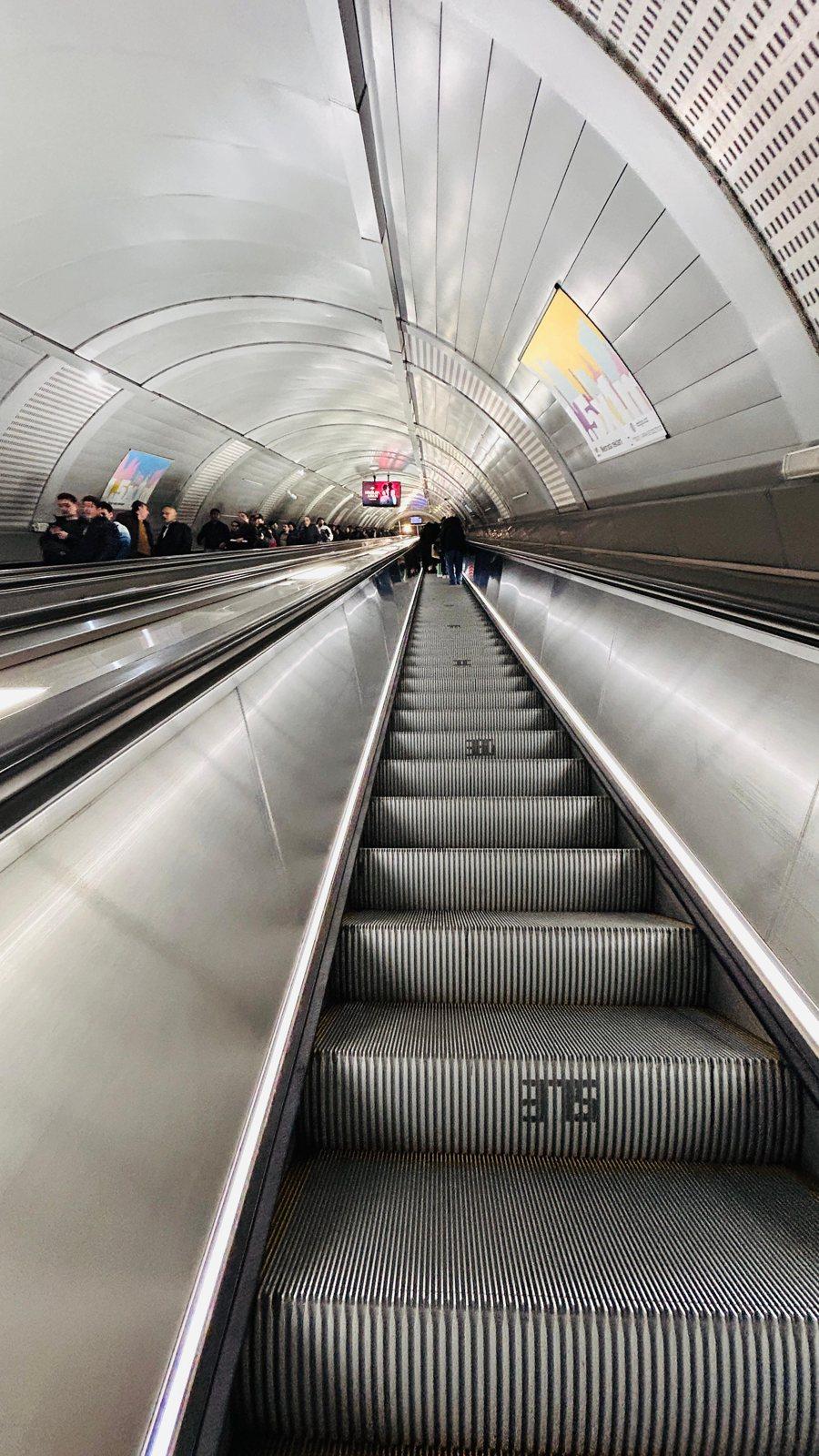
Many stations are worth a look in their own right, with mosaics and carvings that mix Azerbaijani patterns with Soviet themes.
The metro has three lines. To ride, you use a BakıKart, which comes as a card or a QR ticket, and tap-to-pay (NFC) works at every station.
Why winter, and why the festive season
Winter in Baku is cold, so pack a proper coat, a scarf and good shoes. From December to February the average is only around 4 to 7°C. Snow falls on just a few days and soon melts.
The wind is what bites. Baku is known as the City of Winds, and the cold northern wind, the khazri, can make the seafront feel far colder. A windproof layer, a hat and gloves help a lot.
But the festive season is when the city is at its brightest, with lights, colour and celebrations everywhere. For us, it was the best time of the year to go.
If Baku is on your list, tell us your dates on Plan My Trip and we will plan it with you.

About the writer
Shrawani
Shrawani is an avid traveller. She writes about the trips she takes, in India and abroad.